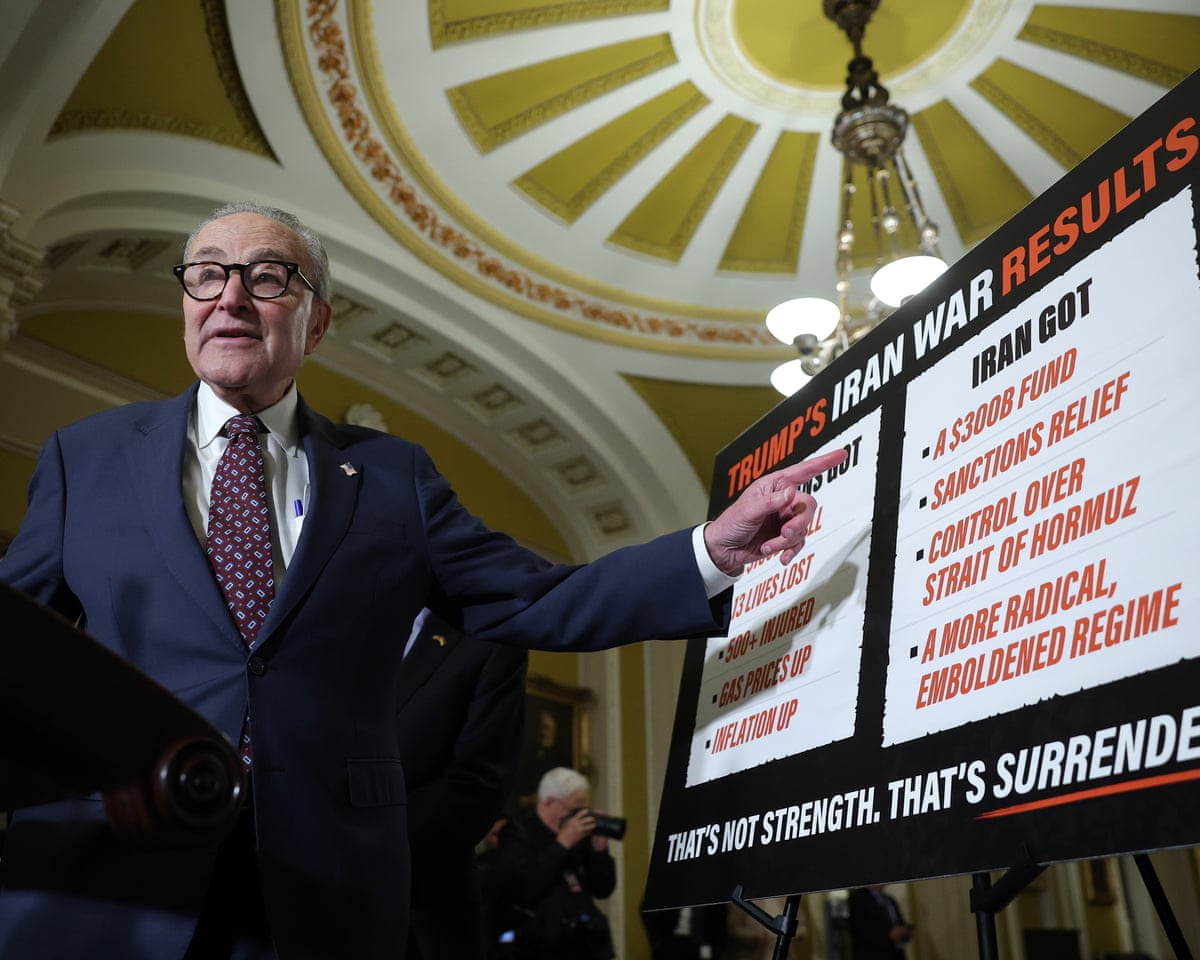
The United States Senate has approved a resolution aimed at ending US military involvement in the conflict with Iran, marking a significant challenge to President Donald Trump’s war policy despite uncertainty over its practical impact.
The Republican-controlled Senate voted 50-48 in favor of the measure, with four Republican senators joining nearly all Democrats in supporting the resolution. The vote reflects growing concern in Congress over the conflict with Iran, which began on February 28 and has become increasingly unpopular among lawmakers and the public.
The legislation directs President Trump to remove US armed forces from hostilities involving Iran. However, its ability to force a policy change remains uncertain. The measure had already been approved by the House of Representatives earlier this month, but because it falls under the 1973 War Powers Act, it does not require the president’s signature to take effect.
Despite congressional approval, the White House has dismissed the resolution, arguing that it is unconstitutional and not legally binding on the executive branch. Administration officials maintain that the president retains authority over military operations and foreign policy decisions.
Legal experts say the resolution could trigger a constitutional dispute over the balance of power between Congress and the president regarding military action. Some analysts believe the administration may simply ignore the measure, potentially setting the stage for a court battle.
Scott Anderson, a senior fellow at the Brookings Institution and senior editor at Lawfare, noted that enforcement remains unclear because questions remain over who would have the legal standing to challenge any refusal by the administration to comply.
The Senate vote comes as the Trump administration continues negotiations with Iran aimed at reaching a peace agreement. While the resolution signals growing bipartisan unease about the conflict, its immediate effect on US military operations remains uncertain.
The development underscores the ongoing debate in Washington over war powers, executive authority, and Congress’s role in decisions involving armed conflict abroad.