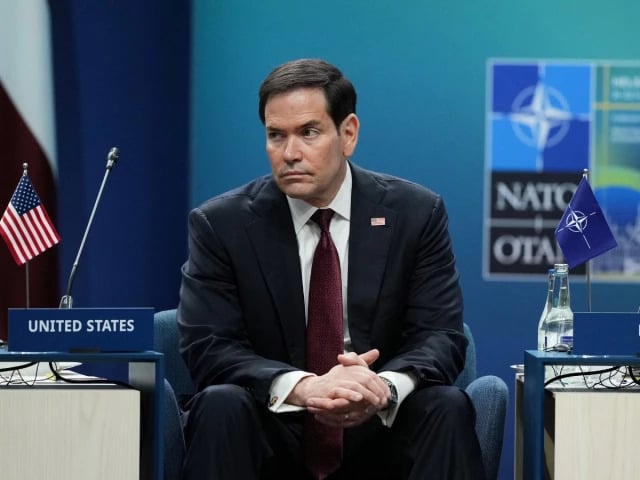
US Secretary of State Marco Rubio is set to begin a diplomatic tour of Gulf countries to defend Washington’s emerging Iran agreement. The visit comes as key US allies in the region express concern over the terms of the deal. The development is significant because it could reshape long-standing security and energy alignments in the Middle East.
Rubio is expected to meet officials in the United Arab Emirates, Kuwait, and Bahrain, along with representatives of the Gulf Cooperation Council. The talks aim to reassure partners who fear the agreement may strengthen Iran’s regional influence. These states host major US military bases and remain central to Washington’s security strategy.
The draft US-Iran memorandum includes provisions that have raised concern among Gulf leaders. Reports indicate it does not impose limits on Iran’s ballistic missile programme and proposes a large reconstruction fund for Tehran. Regional officials worry this could enhance Iran’s military capacity and expand its influence across the region.
Gulf countries privately fear the agreement could shift the regional balance of power. Analysts say concerns also extend to maritime security, particularly around the Strait of Hormuz, a vital route for global energy shipments. Some officials believe the deal may indirectly strengthen Iran’s strategic leverage.
The White House has defended the diplomatic approach, framing it as part of a broader effort to stabilise relations with Tehran. However, critics in Congress and among allies argue it could amount to excessive concessions. Rubio’s meetings are expected to focus on managing these concerns while preserving cooperation between Washington and Gulf partners.