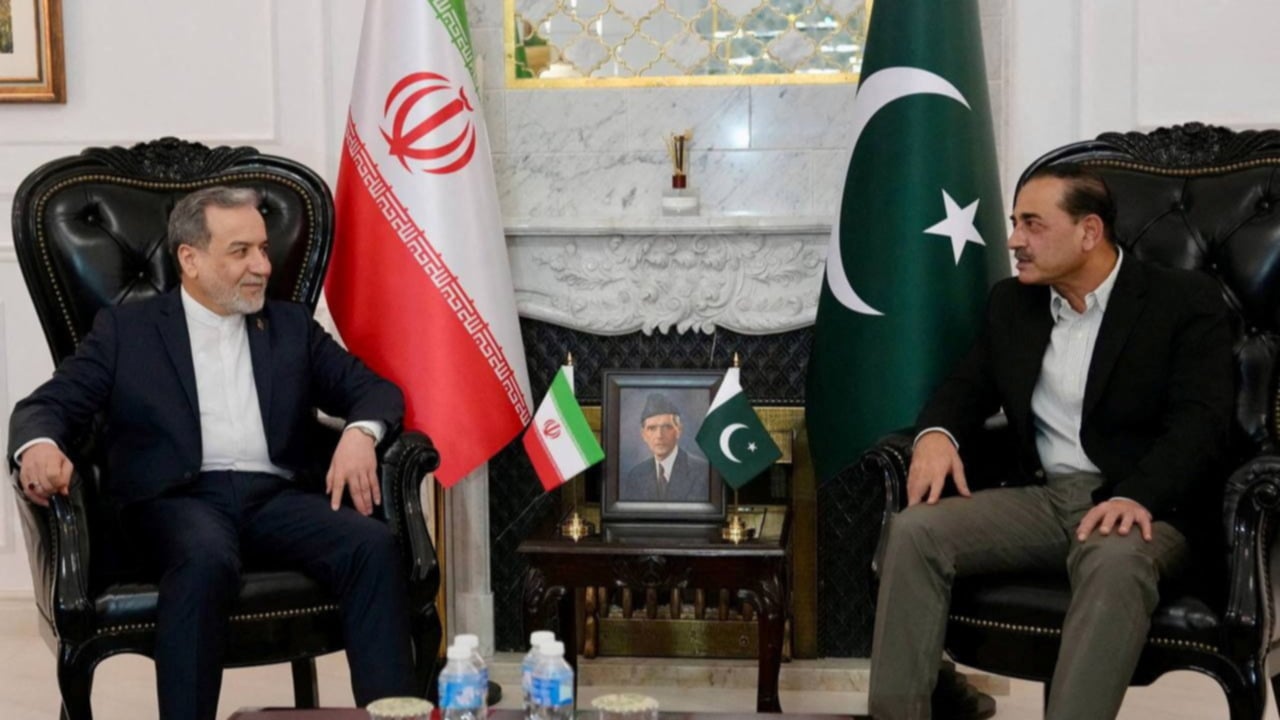
Pakistan’s role in helping facilitate talks between the United States and Iran has earned international recognition and opened the door to possible economic opportunities. Prime Minister Shehbaz Sharif and Field Marshal Asim Munir participated in high-level discussions in Switzerland, where diplomatic efforts helped ease tensions that threatened regional stability, global energy supplies and international markets.
Analysts believe the diplomatic success has strengthened Pakistan’s global standing and created an opportunity to attract foreign investment. They argue that countries seen as contributors to peace and stability often become more appealing destinations for investors, particularly in sectors such as infrastructure, technology, energy and human development.
Moreover, experts say improved relations with regional and global powers could help Pakistan expand trade and economic cooperation. Some observers point to the possibility of stronger links with Gulf states, Turkiye and Western countries, while others note that any future easing of sanctions on Iran could significantly increase cross-border trade through the shared Balochistan frontier.
However, economists caution that diplomatic achievements alone cannot resolve Pakistan’s long-standing economic challenges. The country continues to face issues including a narrow tax base, weak exports, external debt obligations and recurring reliance on International Monetary Fund support, all of which require comprehensive domestic reforms.
Several analysts have compared the current moment to the period following the September 11 attacks, when Pakistan received substantial international support. This time, however, they argue that Pakistan’s position is different because it has acted as a peacemaker rather than a frontline participant in conflict, giving it broader diplomatic leverage across multiple regions.
Meanwhile, economic experts stress that Pakistan should focus on securing long-term benefits instead of short-term financial relief. They recommend pursuing greater market access for exports, technology partnerships, academic exchanges, green investment initiatives and stronger regional trade networks, while also implementing structural reforms needed to achieve sustainable and inclusive economic growth.