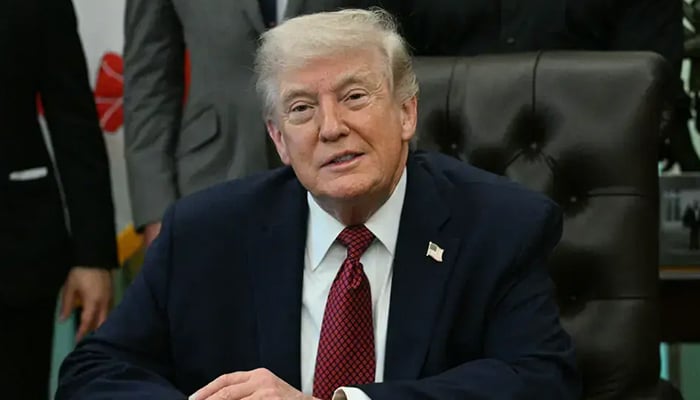
US President Donald Trump has criticised Italy and several NATO allies for what he described as their lack of support in addressing concerns related to Iran and its nuclear programme.
Speaking about the role of allied nations, Trump argued that the United States has invested heavily in the NATO alliance over the years while shouldering a significant share of collective defence responsibilities. He expressed disappointment that some allies were not prepared to participate in efforts aimed at countering what he called the threat posed by Iran.
The US president specifically mentioned Italy and its leadership, claiming that the country was not considering involvement in any action related to Iran despite Washington’s concerns about Tehran’s nuclear activities. Trump suggested that allied nations should play a more active role when major international security challenges arise.
“We have spent trillions of dollars on NATO,” Trump said, adding that the United States had defended allied countries for decades and expected greater support in return.
He further criticised NATO partners by arguing that when a crucial test emerged, many countries were absent from efforts to support the United States and the wider international community. According to Trump, such an approach was unfair given America’s longstanding commitment to the alliance.
The remarks come at a time of heightened tensions surrounding Iran and ongoing diplomatic efforts involving the United States, regional stakeholders and international partners. Discussions over Iran’s nuclear programme, regional security and maritime stability in the Middle East remain central issues on the global agenda.
Trump’s comments are likely to add to debates within NATO regarding burden-sharing and the responsibilities of member states in responding to international crises. The alliance has frequently faced discussions over defence spending and the extent of contributions made by individual members.
While the US president called for stronger allied support, neither Italy nor NATO officials immediately responded publicly to the latest remarks. The comments nevertheless highlight continuing differences among Western partners over how to address security challenges linked to Iran and broader regional stability concerns.