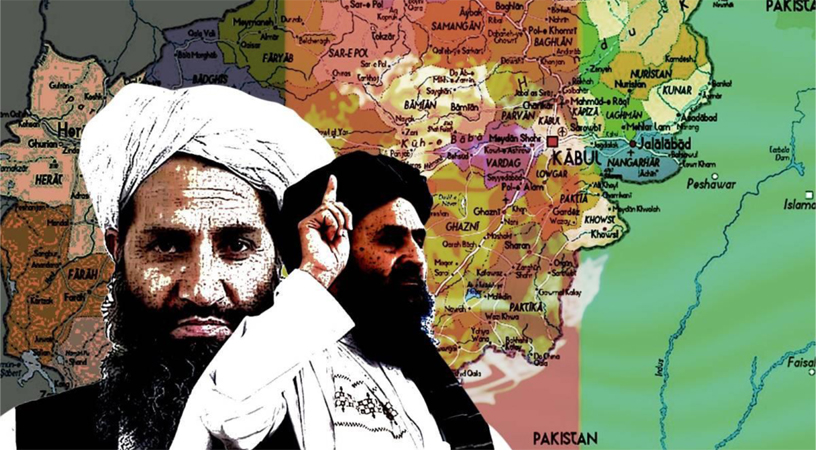
 Security situation along the porous border has reached a critical turning point. Over the first half of 2026, Pakistan has faced a surge in lethal terrorist attacks originating from Afghan soil. These attacks are primarily carried out by the Tehreek-e-Taliban Pakistan (TTP). Despite repeated diplomatic appeals from Islamabad demanding concrete action against these sanctuaries, the interim Taliban government in Kabul has largely responded with denial and deflection.
Recently, the Taliban regime accused Pakistan of causing civilian casualties during counter-terrorism airstrikes. Pakistan has firmly rejected these allegations, viewing them as a calculated distraction.
Escalation of Violence & Human Toll
For the past several months, Pakistan has exercised significant strategic restraint while enduring continuous cross-border assaults. This restraint, however, has come at a devastating cost to both security forces and civilian communities, particularly in the Khyber Pakhtunkhwa.
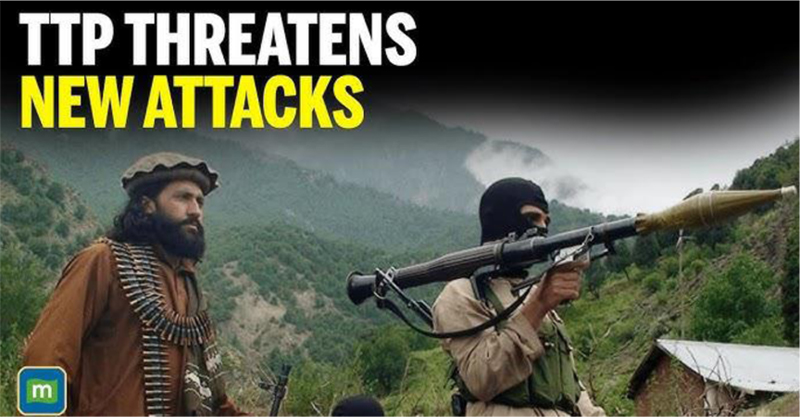
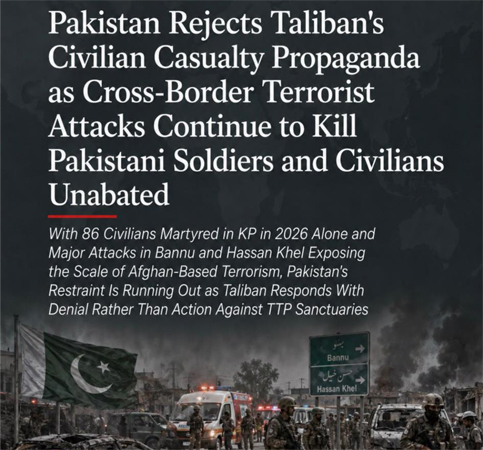
In the first half of 2026 alone, TTP terrorists operating from Afghan bases have killed 86 civilians and injured 260 others in Khyber Pakhtunkhwa. The violence against security personnel has been equally severe and highly coordinated:
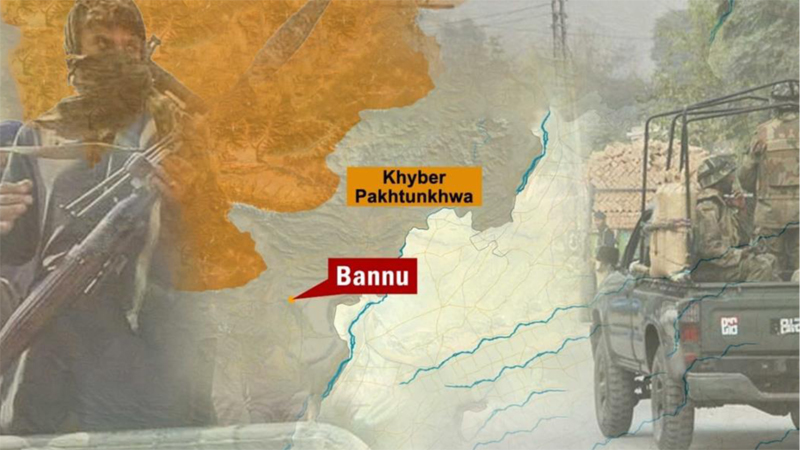
In April 2026, asuicide bomber rammed an explosives laden vehicle into a police station in Bannu, killing five civilians and causing widespread structural destruction. In May, 2026, a highly sophisticated, coordinated assault targeted a police outpost in Bannu. The attackers utilized heavy weaponry, drones, and a vehicle-borne improvised explosive device (VBIED) to kill fifteen police officers.
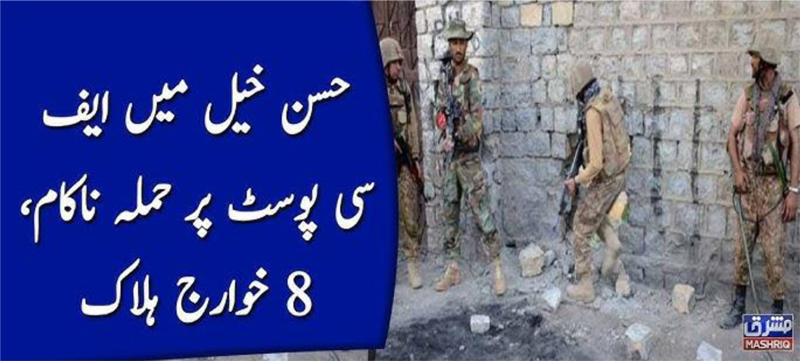
On June 8, 2026, terrorists attacked the Hassan Khel Post, killing six Federal Constabulary soldiers, wounding eight others, and abducting seven personnel.
Afghan Rhetoric
Afghan Taliban administration has consistently utilized a specific rhetoric to counter accusations of harboring terrorists. Whenever Pakistan executes counter-terrorism operations, Kabul immediately issues public statements claiming that the strikes target innocent civilians rather than militants.
A critical analysis reveals that this narrative is fundamentally flawed and structurally dishonest for several reasons:
8 Deflection from Sovereign Commitments Under international frameworks, including the 2020 Doha Agreement, the Taliban committed to ensuring that Afghan soil would not be used by terrorist groups to launch attacks against other nations. By framing every Pakistani defensive action as an attack on civilians, Kabul attempts to shift the global focus away from its own failure to dismantle known TTP sanctuaries.
8 Shielding Interdependent Militant Networks Taliban’s rhetoric serves as a protective shield for terrorist handlers and infrastructure. TTP shares deep ideological, historical, and tribal ties with the Afghan Taliban. Pretending that these groups do not exist or operate freely in Afghanistan allows the regime to maintain its internal alliances while avoiding international accountability.

8 Contradiction of Precision Intelligence Evidence indicates that Pakistani counter-terrorism operations are not indiscriminate. Strikes are highly targeted, executed with precision, and driven by actionable intelligence aimed strictly at specific militant compounds. Taliban’s immediate, blanket claims of civilian harm lack independent verification and function primarily as propaganda.
Global & Regional Implications
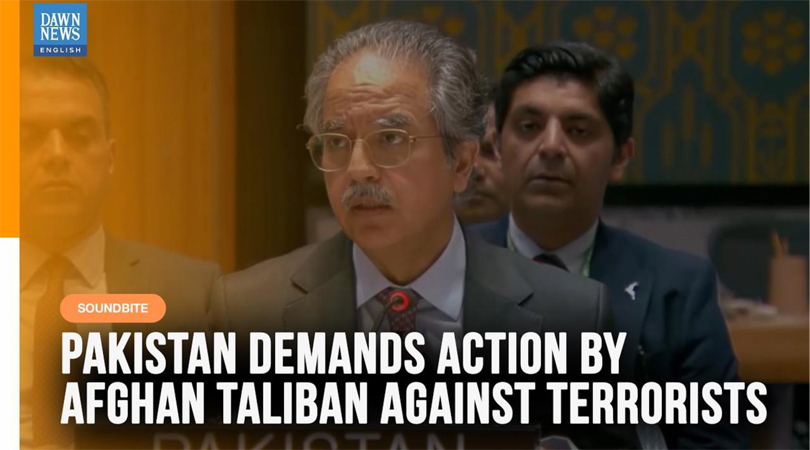
International community has grown increasingly aligned with Pakistan’s concerns regarding Afghanistan’s status as a safe haven for terror.
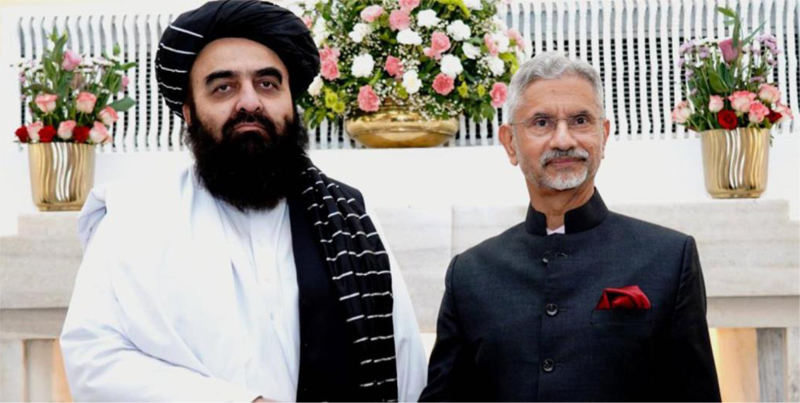
During a United Nations Security Council (UNSC) session on June 8, 2026, member states overwhelmingly condemned the Taliban regime for harboring terrorist entities. Only India abstained from joining the consensus, highlighting the deep regional polarization surrounding South Asian security.
Future Outlook
Pakistan cannot be expected to indefinitely absorb the human and economic costs of cross-border terrorism. There is intense domestic pressure within Pakistan for the government and military to take decisive action.
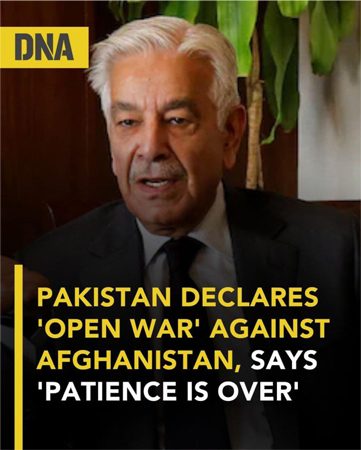
If the Taliban regime does not take immediate, verifiable steps to stop these attacks, Pakistan’s strategy is likely to shift. Rather than wasting resources fighting foot soldiers on the border, Islamabad has signaled a readiness to target the senior leadership, financial sponsors, and facilitators of the TTP operating safely within Afghanistan.