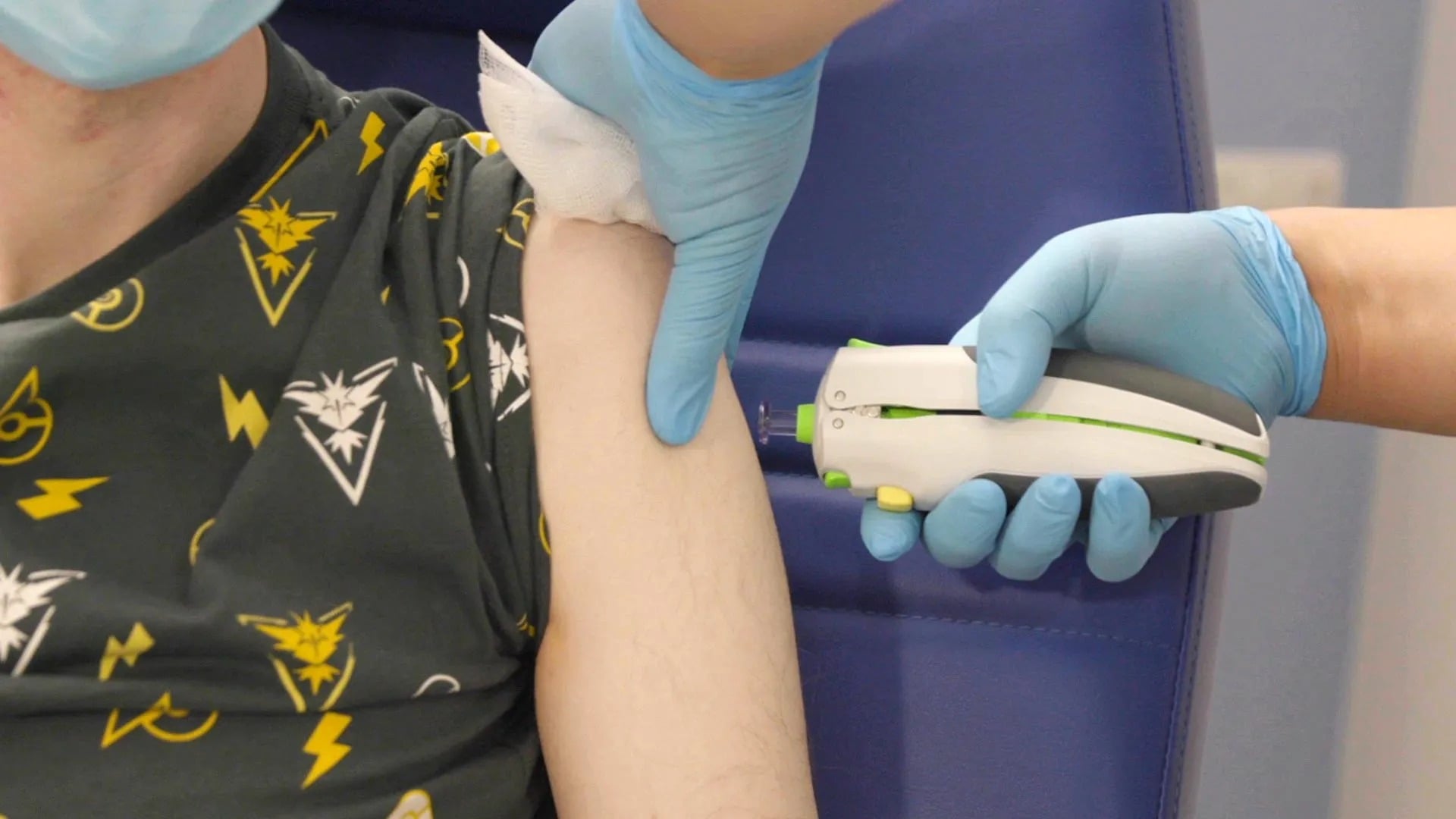
Scientists have developed a new experimental vaccine designed by artificial intelligence that aims to protect humans against a wide range of deadly viruses. Researchers say this is the first time an AI-designed vaccine has been tested in human trials, marking a major step in vaccine development. Moreover, the study focused on viruses linked to past global outbreaks such as SARS, MERS, and Covid-19. Early findings show cautious but promising scientific progress.
The trial was conducted by researchers at the University of Cambridge, involving nearly 40 participants between 2021 and 2023. In addition, scientists described the vaccine as a “universal vaccine” concept designed to target multiple virus families rather than a single strain. This approach aims to prepare the immune system for future outbreaks before they occur. However, researchers noted that results were influenced by ongoing Covid-19 conditions during the study period.
Read more : WHO, Pakistan to vaccinate 35 million children in nationwide
The vaccine was created using a machine learning system trained on genetic data from Sarbeco coronaviruses collected globally. As a result, the AI identified patterns to design an antigen intended to trigger a broad immune response. Researchers said this method could shift vaccine development from reactive responses to proactive prevention. Therefore, it may reduce the need to constantly update vaccines for new virus variants.
During the phase 1 trial, scientists primarily tested safety and tolerance rather than full effectiveness in preventing disease. Furthermore, no serious side effects were reported among participants, suggesting the vaccine was generally safe for use in early testing. However, immune response results were described as modest and not strongly above pre-existing levels. This indicates limited antibody increase compared to expectations.
Read more : Pakistan, Saudi Arabia discuss vaccine cooperation
Researchers explained that the vaccine showed some immune system activity but did not yet demonstrate strong protective benefits. In addition, the study concluded that more evidence is required before confirming broad effectiveness against multiple viruses. Experts emphasized that phase 1 trials are not designed to measure full protection outcomes. Therefore, further testing is necessary to understand its real-world impact.
A larger phase 2 trial is planned to evaluate how well the vaccine performs in a bigger population and under varied conditions. Meanwhile, scientists remain optimistic that AI-driven design could transform future vaccine development strategies. Moreover, they believe such technology could help prepare for unknown viruses that may emerge from animals. Overall, the research represents an early but important step toward future pandemic preparedness.