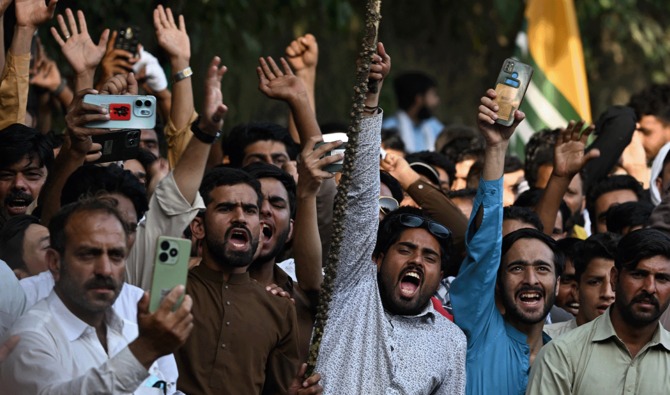
A broad political delegation engaged with Jammu and Kashmir Joint Awami Action Committee and held detailed discussions on long standing public concerns in Azad Jammu and Kashmir. The group included senior federal and regional leaders who aimed to build consensus and reduce rising tensions through structured dialogue and negotiation. Authorities emphasized that most demands had already been addressed, while remaining issues required further political and constitutional discussion. However, the committee continued its protest call, raising concerns over the future of ongoing talks and stability in the region.
Officials stated that out of 38 demands raised by the committee, 35 have already been accepted and implemented or are in advanced stages of approval. They argued that describing the talks as unsuccessful misrepresents the progress achieved so far and undermines ongoing efforts. Moreover, they highlighted that the majority of public welfare issues had already received positive responses from authorities. Despite this, continued escalation on the streets has created uncertainty around the remaining points of disagreement.
Read more : AJK sets July 27 date for general elections
Authorities further explained that the unresolved demands involve complex areas such as fiscal policy, constitutional structure, and political consensus. These issues, they said, cannot be settled through deadlines or pressure-based protests, as they require institutional decision making and broad agreement. In particular, tax-related matters and revenue adjustments were described as essential for maintaining public services and development spending. Therefore, officials stressed that negotiations must remain within legal and constitutional frameworks.
Financial data shared during discussions showed that Azad Jammu and Kashmir generates around PKR 60 billion annually while its total budget exceeds PKR 300 billion. The federal government contributes nearly PKR 240 to 250 billion each year to bridge this gap and ensure smooth governance. In addition, around 63,000 refugees receive stipends funded by Pakistan, costing nearly PKR 15 billion annually. Officials said this support demonstrates significant fiscal commitment that must be considered in policy debates.
Read more : AJK on Path of Development! 2025 Marked Resilience, Institutional …
The demand to abolish advance tax was described as difficult to implement due to its direct impact on revenue collection and public welfare funding. Authorities warned that reducing such income sources could affect development projects, salaries, and essential services across the region. They also noted that discussions on elite privileges and administrative reforms remain open for structured review. However, they stressed that constructive proposals are needed instead of broad political slogans or street pressure.
Officials concluded that constitutional matters, including refugee representation and legislative seats, require formal political processes rather than protest-driven decisions. They urged all stakeholders to prioritize dialogue, transparency, and responsible engagement to avoid unnecessary instability in the region. Furthermore, they called on citizens to evaluate demands based on financial and governance realities rather than emotional narratives. Ultimately, they emphasized that sustainable progress in Azad Jammu and Kashmir depends on negotiation, cooperation, and long-term institutional solutions.