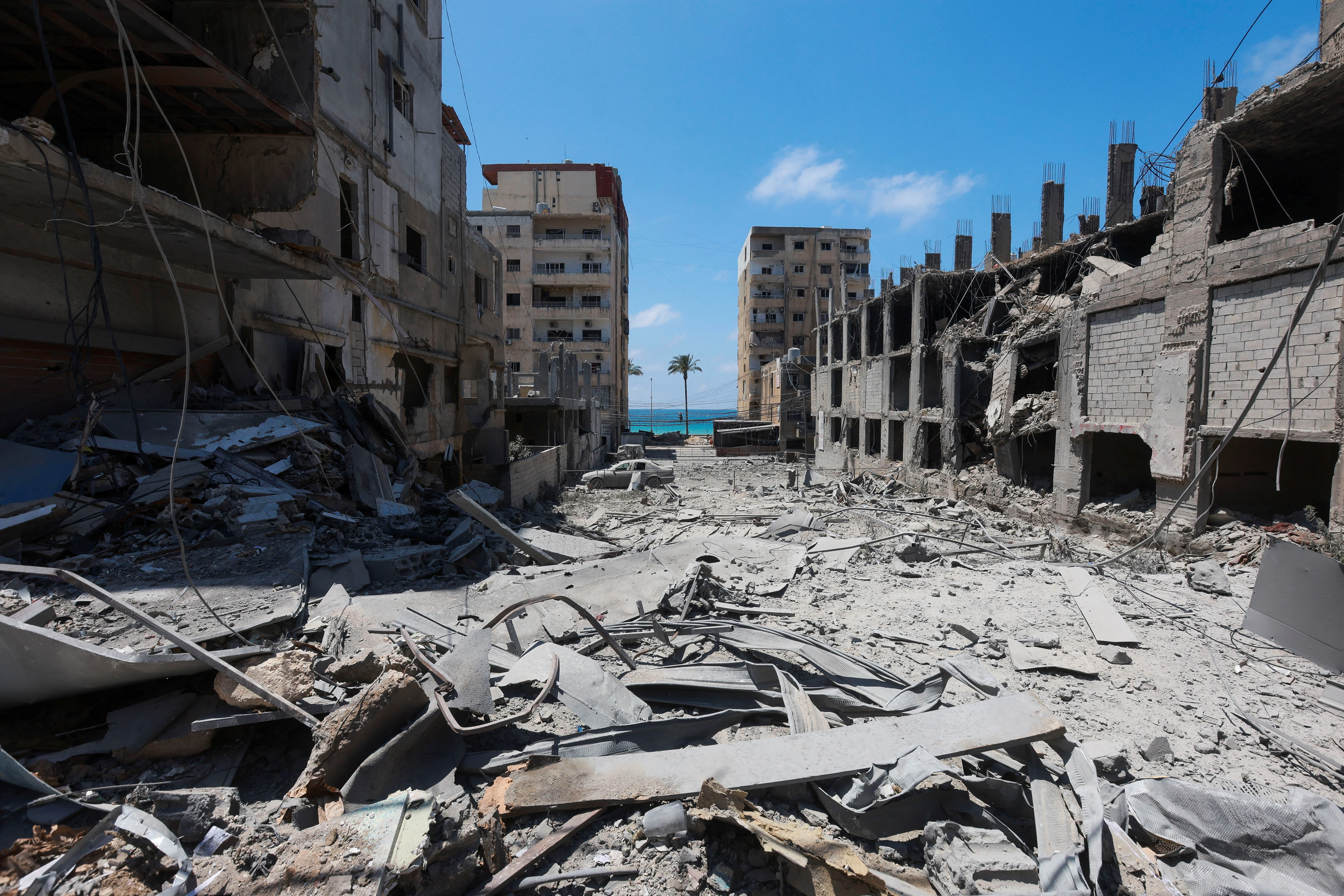
Iranian drone and missile strikes hit Kuwait International Airport, leaving at least 63 people injured and disrupting air travel across the country. Kuwait’s Health Ministry said medical teams responded quickly to the emergency and carried out seven major surgeries for seriously wounded victims. The attack also resulted in one reported death, highlighting the growing risks posed by the renewed regional conflict.
Kuwaiti authorities said the strikes damaged parts of the airport, including facilities considered critical to operations, while some diplomatic sites also suffered impacts. As a precaution, officials temporarily suspended flights and launched detailed inspections to assess structural damage and ensure passenger safety. Emergency teams worked throughout the day to secure affected areas and restore essential services.
Read more : Trump says Iran wants a deal, but Washington splits on war or peace
Following extensive safety checks, Kuwait’s civil aviation authority announced the gradual resumption of operations, with Kuwait Airways restarting flights from Terminal 4. Officials said recovery efforts remain underway and emphasized that passenger safety remains the highest priority. Authorities are also continuing investigations to determine the full extent of the damage caused by the attack.
Meanwhile, regional security concerns deepened as Bahrain’s military reported intercepting three missiles and several drones. Iran claimed it had targeted military facilities linked to the United States in Bahrain and another Gulf state, although independent verification of those claims was not immediately available. The latest developments have increased fears of a wider confrontation across the Gulf region.
Read more : Iran asks Pakistan to keep mediation channel open as US talks stall
The United States military stated that some Iranian missiles aimed at Kuwait either fell short of their targets or broke apart during flight. However, the attacks have placed additional pressure on a fragile ceasefire reached in early April after weeks of intense fighting. Since the conflict began in late February, several locations across the Gulf have faced repeated threats involving both civilian and military infrastructure.
Financial markets also reacted to the renewed instability, with oil prices rising more than two percent as traders monitored developments around the Strait of Hormuz. The strategically important waterway, responsible for a significant share of global energy shipments, has remained largely restricted for months. Although Iran and the United States recently signalled progress toward a possible agreement, negotiators have yet to finalize a deal capable of reducing tensions and restoring normal regional trade flows.