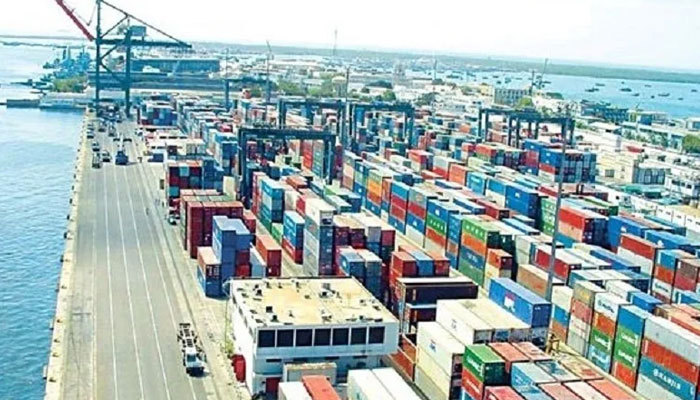
Pakistan’s trade deficit widened to $34.76 billion during the first 11 months of fiscal year 2025-26, according to official data. The growing gap reflects rising imports and falling exports, increasing pressure on the country’s external accounts. Businesses, policymakers, and foreign exchange markets are among those most affected by the trend.
Data released by the Pakistan Bureau of Statistics showed the trade deficit increased by 17.48 percent between July 2025 and May 2026. During the period, total imports reached $62.66 billion, while exports stood at $27.90 billion. The figures highlight persistent challenges in narrowing the gap between the country’s import bill and export earnings.
Read more: Trade deficit rises 25% to $25 billion in July-February
Meanwhile, exports declined by 5.61 percent during the first 11 months of the fiscal year. However, export performance improved in May, offering some relief. Monthly exports rose 9.59 percent compared with April and increased 1.26 percent year-on-year. Export receipts for May totaled $2.705 billion, reflecting stronger activity in external markets.
At the same time, imports increased by 5.94 percent during the July-May period. The higher import bill contributed significantly to the widening trade imbalance. Nevertheless, import spending eased in May. Imports fell 21.45 percent on a monthly basis and declined 6.63 percent compared with the same month last year. Total imports for May were recorded at $5.29 billion.
Read more: Trade deficit rises 23% to $28 billion in July-March
In addition, monthly trade data indicated some improvement in external trade conditions. The trade deficit for May 2026 was recorded at $2.582 billion. This represented a 39.43 percent decline from the previous month and a 13.68 percent decrease on an annual basis. Economists will closely monitor whether this trend continues in the final month of the fiscal year.