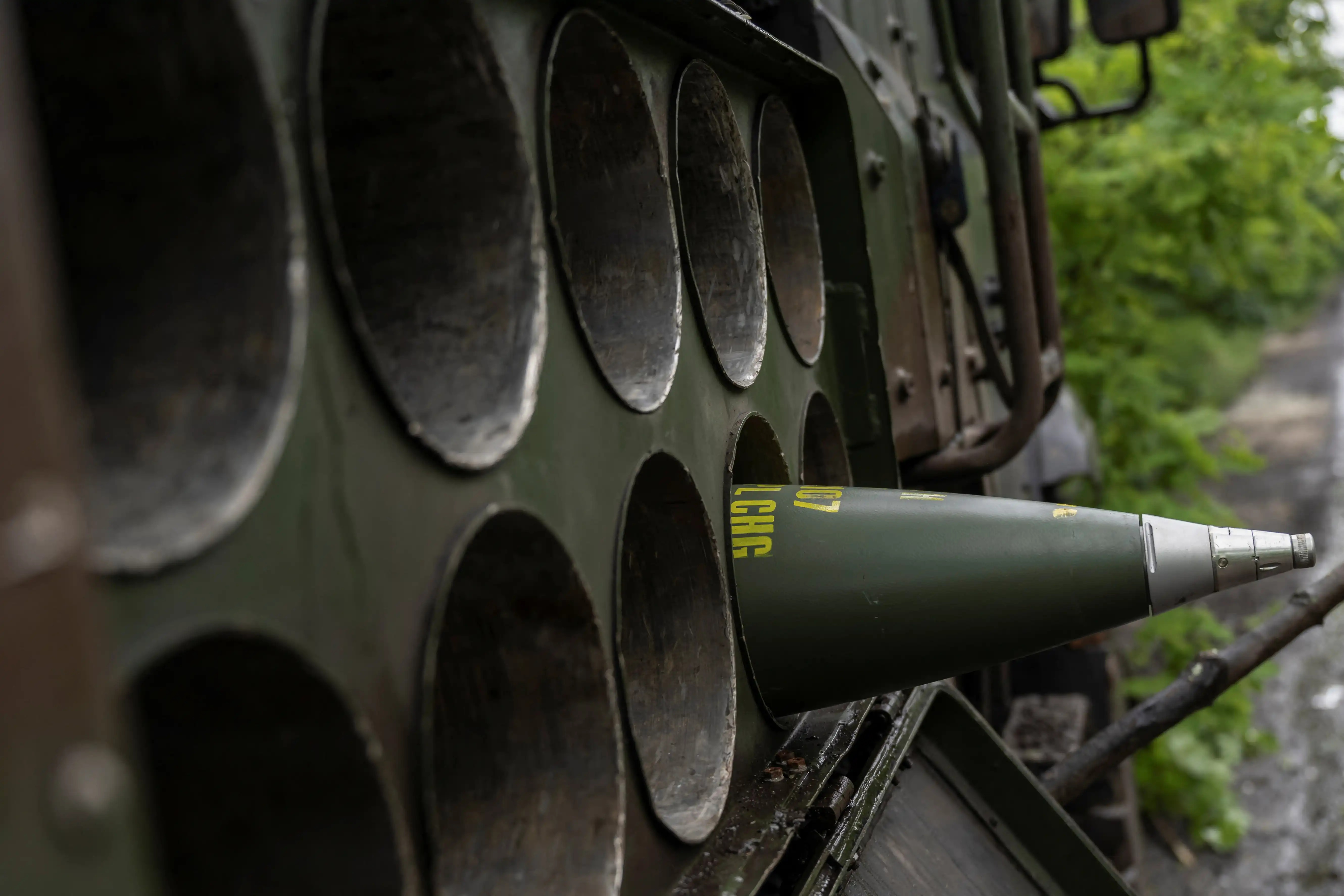
Russia has expanded major nuclear exercises alongside Belarus as tensions with European members of NATO continue rising over the war in Ukraine and increasing drone activity around the Baltic region. The military drills involve nearly 64,000 personnel and rank among Moscow’s largest nuclear exercises in recent years.
Furthermore, the three-day operation includes Russia’s Strategic Missile Forces, long-range aviation units, the Northern and Pacific fleets, and military formations from several districts across Russia and Belarus. Moscow said the exercises focus on preparing nuclear forces for potential aggression scenarios while strengthening combat readiness and strategic coordination during regional instability.
Read more : Russia warns Afghanistan terror threat escalating
As part of the drills, Russia displayed several advanced military assets, including a Borei-class nuclear-powered submarine, RS-24 Yars intercontinental ballistic missiles, MiG-31 fighter aircraft carrying Kinzhal hypersonic missiles, and Il-38 anti-submarine planes. Meanwhile, Belarusian missile crews practiced loading special munitions onto mobile Iskander-M tactical missile launch systems during the exercises.
Russian President Vladimir Putin described nuclear weapons as a final option during conflict but stressed the importance of maintaining Russia’s nuclear triad for sovereignty and national security. At the same time, videos released by Russia’s defence ministry showed submarines, warships, military aircraft, and vehicles transporting simulated nuclear warheads during training activities.
Read more : Russia deepens ties with Taliban government
Meanwhile, tensions in the Baltic region have increased sharply after Moscow accused Baltic countries of allowing Ukrainian drones to cross their airspace for attacks targeting northern Russian territory. Nato members denied the accusation, while Baltic governments argued that Russia deliberately redirects Ukrainian drones toward their airspace during ongoing military operations linked to the conflict.
In addition, the Kremlin strongly criticised comments from Lithuanian Foreign Minister Kestutis Budrys after he suggested Nato should demonstrate its ability to penetrate Kaliningrad, Russia’s heavily militarised Baltic exclave. Located between Lithuania and Poland, Kaliningrad remains strategically important as headquarters of Russia’s Baltic Fleet and a key military stronghold in the region.