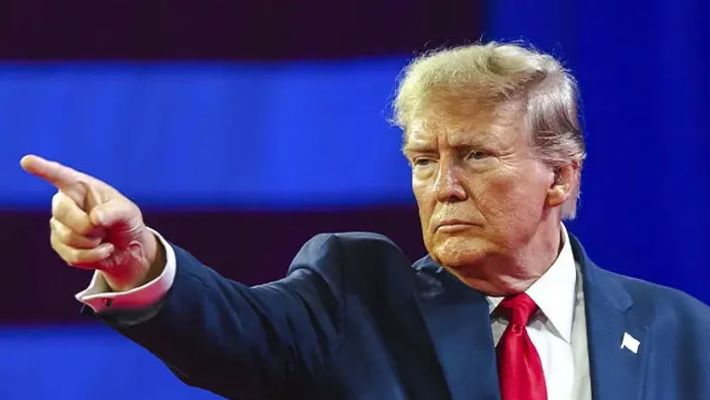
US President Donald Trump has dismissed Iran’s latest response to a US-backed peace proposal as “totally unacceptable,” signalling fresh uncertainty over diplomatic efforts to end the 10-week conflict that has destabilised the Middle East and disrupted global energy markets.
Read More: US-Iran tensions persist despite calm around Strait of Hormuz
In a post on Truth Social, Trump said he had reviewed Iran’s reply and found it unsatisfactory, without elaborating on the specific objections. His remarks came shortly after Iranian state media reported that Tehran had submitted a response centred on ending hostilities across the region, particularly in Lebanon, while also seeking guarantees for maritime security in the Strait of Hormuz.
🚨🇺🇸 TRUMP REJECTS IRAN DEAL — TALKS COLLAPSE
President Trump has reportedly rejected Iran’s response to nuclear negotiations, calling the terms “totally unacceptable” after Tehran refused to fully dismantle key nuclear facilities.#Geopolitics #Iran #Trump #breakingnews pic.twitter.com/HF2WpZeTtH
— Quanhove (@Quanhovepa0) May 11, 2026
According to reports, Iran’s proposal includes demands for compensation for war-related damages, lifting of US sanctions, guarantees against future attacks, and recognition of Iranian sovereignty over the Strait of Hormuz. Tehran has also reportedly called for an end to restrictions on its oil exports and the removal of the US naval blockade.
The United States had proposed a ceasefire-first framework, aiming to halt active fighting before beginning negotiations on more contentious issues such as Iran’s nuclear programme and regional influence.
The failed exchange has rattled markets, with oil prices reportedly climbing by $3 per barrel following the breakdown in immediate diplomatic momentum. The conflict has already paralysed shipping through the Strait of Hormuz, a vital global energy corridor through which roughly one-fifth of the world’s oil supply typically passes.
Pakistan, which has been involved in mediation efforts between Washington and Tehran, reportedly forwarded Iran’s response to the United States. Islamabad has played a growing diplomatic role in facilitating dialogue amid heightened regional tensions.
Despite the deadlock, limited maritime activity has resumed, with some vessels successfully crossing the Strait of Hormuz under coordinated arrangements.
Read More: US and Iran ‘closing in on one-page memo to end war’
Trump, who is scheduled to visit China this week, is facing domestic pressure over rising fuel prices and concerns about the broader economic fallout of the conflict. Analysts say the coming days will be critical in determining whether diplomacy can still regain momentum or if the region faces renewed escalation.