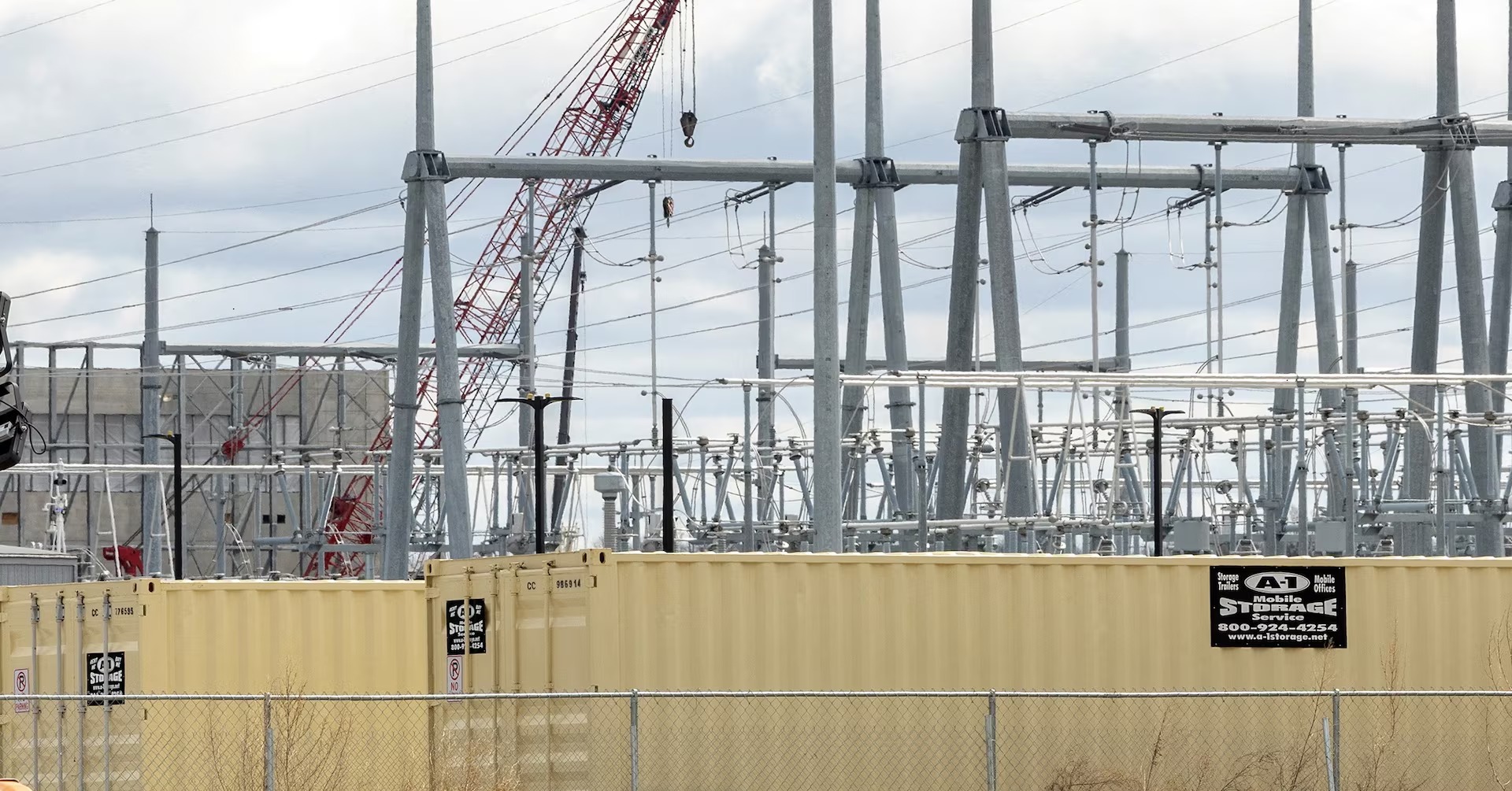
Millions of Americans are increasingly paying for electricity infrastructure projects long before completion, as utilities begin recovering costs for power plants and transmission lines through early billing systems. Policy makers support this approach to speed up upgrades to the aging US electric grid, especially amid rising energy demand from data centers powering artificial intelligence systems. Moreover, this shift has raised concerns about higher household electricity bills without immediate benefits.
Traditionally, utility companies first borrowed money from banks and investors to fund large infrastructure projects and only recovered costs after completion and service delivery. However, regulators now allow early cost recovery through a system known as Construction Work in Progress, which lets companies charge customers during construction phases. Consequently, consumers begin paying for projects that may take years to finish.
Read more : Poll Finds Many Americans Question Trump’s Fitness for Office
Under this system, utilities gain stronger cash flow and lower borrowing costs because they receive money upfront from customers instead of relying entirely on external financing. These charges typically add several dollars per month to household electricity bills, which accumulate across millions of users nationwide. Furthermore, the policy has expanded rapidly as more states adopt similar regulatory frameworks.
Reports indicate that at least 40 US states now use some form of early cost recovery policy, compared to fewer than 20 states a decade ago. The expansion coincides with a major increase in data center construction and rising electricity demand across the country. Therefore, utilities argue that faster funding is necessary to modernize the grid and avoid future energy shortages.
Read more : US Poll Shows Majority Oppose Iran Military Action Decision
Several large infrastructure projects have already been financed under this system, including nuclear, transmission, and renewable energy developments across different states. For example, some projects, such as nuclear reactors in Georgia and offshore wind farms in Virginia, have collected billions of dollars from customers before becoming operational. In addition, transmission projects in states like Nevada have also contributed to rising electricity bills despite long-term completion timelines.
Critics argue that this approach places financial risk on consumers while shifting construction uncertainties away from utility companies and investors. However, supporters claim it helps accelerate essential infrastructure upgrades needed for future energy demands and grid stability. As a result, debate continues across the United States over whether early payment systems protect or burden electricity consumers in the long run.