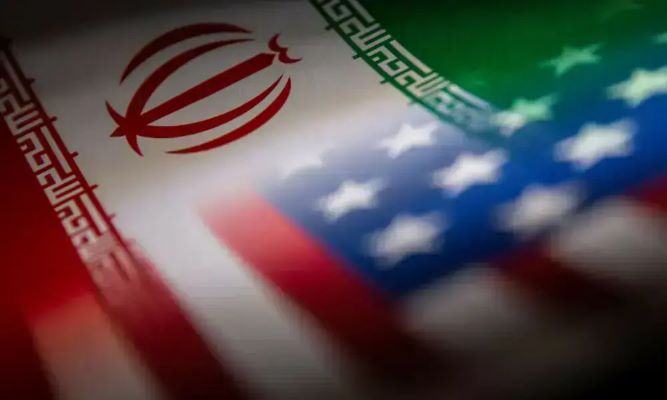
The United States and Iran exchanged fire near the Strait of Hormuz despite ongoing ceasefire efforts. Washington is awaiting Tehran’s response to a proposal aimed at formally ending the conflict. The renewed Gulf clashes threaten global oil supplies and heighten risks for regional allies and shipping markets.
Fresh fighting erupted on Friday near the Strait of Hormuz after Iranian and American forces traded attacks. Iranian media reported sporadic naval clashes before officials later claimed tensions had eased. Meanwhile, the US military said it targeted two Iran-linked vessels approaching an Iranian port. American fighter jets reportedly struck the ships’ smokestacks, forcing them to retreat. The incidents marked the most serious escalation since the ceasefire began last month.
Read more: US sanctions entities over alleged support to Iran arms efforts
The conflict also spread beyond the waterway as the United Arab Emirates faced renewed missile and drone attacks. UAE officials said air defenses intercepted two ballistic missiles and three drones launched from Iran. Authorities confirmed that three people suffered moderate injuries during the attacks. Iran has repeatedly targeted Gulf states hosting American military bases since the war started in February. Tehran intensified operations after President Donald Trump announced “Project Freedom” to protect commercial shipping routes.
At the same time, diplomatic efforts continued as Washington pressed Tehran to accept a formal agreement ending hostilities. Secretary of State Marco Rubio said the United States expected an Iranian response soon. However, Iranian officials stated they were still reviewing Washington’s proposal. Iran’s Foreign Minister Abbas Araqchi accused the United States of undermining diplomatic solutions through military actions. Tehran also claimed a US naval strike hit an Iranian commercial vessel, killing one crew member.
Read more: US-backed Iran resolution faces likely China and Russia vetoes
Meanwhile, Washington increased economic pressure through fresh sanctions targeting Iran’s drone supply network. The US Treasury sanctioned individuals and companies linked to operations in China and Hong Kong. Officials warned foreign financial institutions against supporting Iranian trade connected to military production. A reported intelligence assessment suggested Iran could withstand a naval blockade for several months. The finding raised questions about Washington’s leverage as international support for the conflict remains limited.