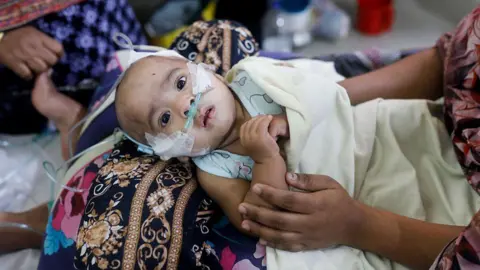
Bangladesh is facing its deadliest measles outbreak in decades, with more than 300 children reported dead as the highly contagious disease spreads across the country and overwhelms parts of the healthcare system.
Read More: Bangladesh measles outbreak kills 194 children
Hospitals in Dhaka and other regions have reported a sharp rise in admissions, with thousands of young patients receiving treatment in crowded pediatric wards. Doctors say the outbreak has placed significant pressure on medical facilities as they struggle to manage the growing number of infections.
According to government data, at least 336 child deaths have been recorded since mid-March, while more than 50,000 suspected and confirmed cases have been reported nationwide. Most of the infections have occurred among children aged six months to five years, the most vulnerable age group for measles complications.
Bangladesh’s deadliest measles outbreak in decades is stretching its health system, with children filling hospital wards and doctors struggling to contain a surge in infections that have killed more than 300 youngsters.
For more: https://t.co/bV1KajWUaY#etribune #news #Latest pic.twitter.com/W5k9aQmx2j
— The Express Tribune (@etribune) May 8, 2026
Health experts say gaps in vaccination coverage have played a major role in the outbreak. Bangladesh had previously made progress in controlling infectious diseases through immunisation programmes, but a planned measles vaccination campaign in 2024 was delayed following political upheaval that disrupted public services.
Officials estimate that vaccination coverage had fallen to around 59 percent last year, well below the 95 percent threshold needed to ensure herd immunity. As a result, large numbers of children remain exposed to infection despite partial immunisation efforts.
In response, authorities—supported by international organisations including UNICEF and the World Health Organization—launched an emergency measles-rubella vaccination drive on April 5. Since then, nearly 17 million children have reportedly been vaccinated.
Doctors at Dhaka’s Shishu Hospital describe cases ranging from mild illness to severe complications requiring oxygen support and intensive care. In some instances, the virus has led to brain inflammation and life-threatening conditions.
Health officials say while the situation remains serious, hospital capacity is currently sufficient, though contingency measures have been introduced. The army has set up a temporary 20-bed field hospital in Dhaka to support patient care if cases increase further.
Read More: Bangladesh says suspected measles outbreak kills about 100 children
Authorities are also monitoring rising dengue risks due to recent heavy rainfall, warning that overlapping outbreaks could further strain the healthcare system in the coming weeks.