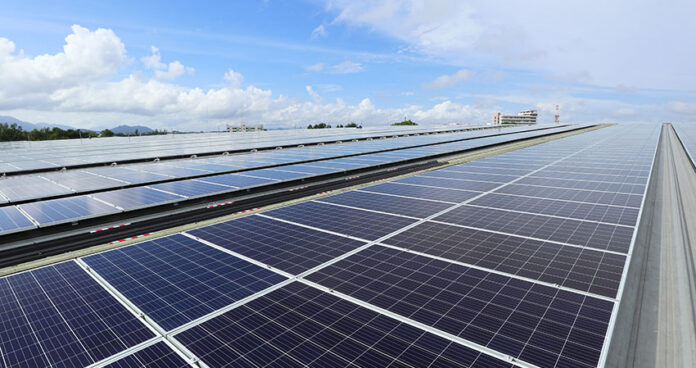
The government has announced a major renewable energy initiative by planning a 500-megawatt floating solar power project at Keenjhar Lake in Sindh. The project aims to increase clean electricity production while reducing dependence on imported fossil fuels and supporting Pakistan’s long-term energy transition strategy.
According to official documents, the project carries an estimated cost of 243.63 million dollars and is expected to generate around 861.91 gigawatt-hours of electricity annually. With a capacity factor of 19.6 percent, authorities believe the installation will contribute significantly to meeting rising energy demand in the region.
Read more : Pakistan mandates license for solar systems –
Furthermore, the electricity produced from the floating solar system will be supplied to K-Electric under a long-term power purchase agreement. Officials explained that this arrangement will ensure stable power delivery to Karachi and surrounding high-demand industrial zones through an efficient transmission network.
Moreover, authorities confirmed that the project aligns with Pakistan’s 2030 emission reduction targets and supports the broader national shift toward cleaner and more sustainable energy sources. The floating design will utilise water surfaces instead of land, reducing land acquisition needs while improving energy generation efficiency.
Read more : Power division urges removal of solar licensing rules for small users
Additionally, the project will be developed under an Engineering, Procurement, and Construction model through a competitive bidding process. Officials have already secured a letter of intent from K-Electric, while contractor selection is currently underway to ensure timely execution and cost-effective development of the large-scale renewable energy facility.
Financially, the project is structured with 182.72 million dollars in debt financing and 60.91 million dollars in equity investment, offering an estimated internal rate of return of 13.94 percent. Authorities also expect the initiative to generate employment opportunities during both construction and operational phases, strengthening local economic activity alongside clean energy production.