 There is no doubt left regarding the status of the Baloch Liberation Army (BLA); it is a proscribed terrorist organization and a documented Indian funded proxy aimed at destabilizing Pakistan. However, for years, other proxies have managed to operate in a gray zone, projecting themselves as human rights factions and advocates for missing persons. This veil has finally started to crumble. The transition from traditional guerrilla warfare to sophisticated urban suicide missions has revealed a calculated machinery where the Baloch Yakjehti Committee (BYC) acts not as a shield for civil rights, but as the primary ideological and recruitment engine for the BLA’s most violent wings.
One Structure, Many Faces
The most damning indictment of this relationship comes from Sarfraz Bangalzai, the former commander of the United Baloch Army (UBA). His testimony stripped away the BYC’s facade of civic activism.
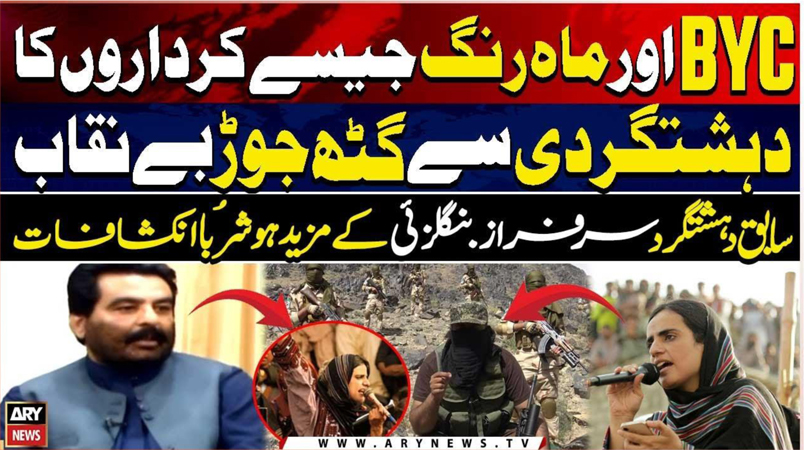
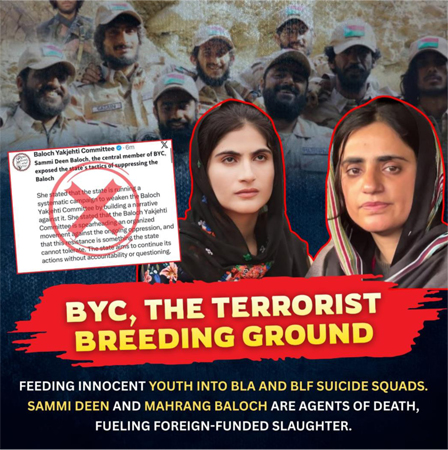
According to Bangalzai, the BLA, the Baloch Liberation Front (BLF), and the BYC are not separate entities; they are different faces of a single structure of violence. While the BLA and BLF execute militant operations on the ground, the BYC serves as their political front.
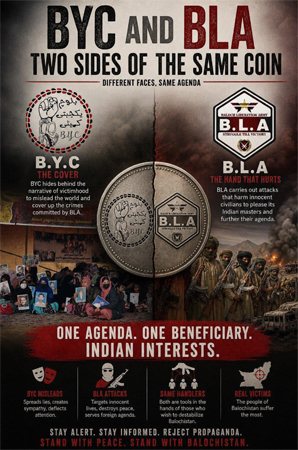
Bangalzai described the BYC as the soft facade of terrorism. It is a sinister organization that masquerades as a social movement to mobilize youth through rallies and sit-ins.
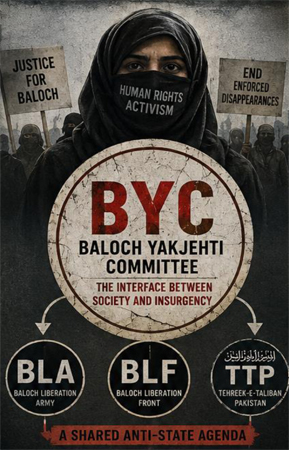
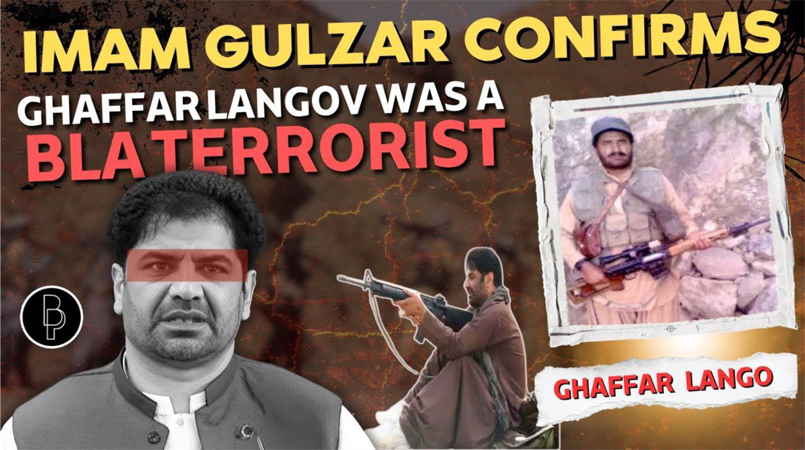
By weaponizing the emotive issue of missing persons, the BYC manipulates public sympathy to provide cover for those who are actually residing in safe houses or training camps across the border. The leadership of the BYC carries an ideological lineage rooted in militancy. Dr. Mahrang Baloch, a prominent figure, is the daughter of Ghaffar Langove, a BLA commander.
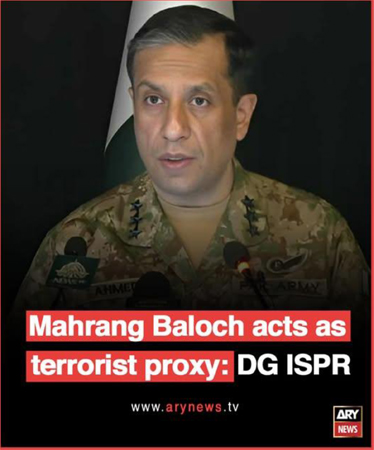
The familial and ideological thread connecting the BYC to banned groups proves that current protests are not independent struggles but rebranded extensions of a militant legacy.
Nursery of Suicide Terrorism
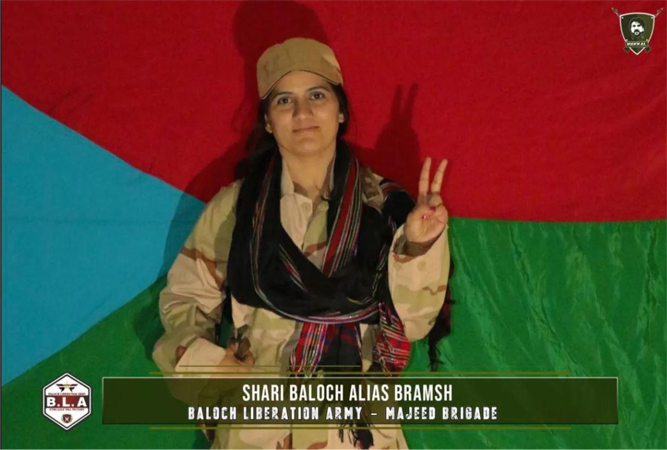
Historically, the Baloch insurgency was characterized by tribal men engaging in hit-and-run tactics. This changed abruptly with the establishment of the BYC in 2020. Before this period, there was no tradition of female suicide bombers in Balochistan. The shift began in 2022 with Shari Baloch, a highly educated woman with a Master’s degree, who targeted Chinese academics at Karachi University.
This was the opening of a dark chapter. Shari’s act was not one of poverty-induced desperation, but of deep-seated radicalization. It’s the kind of raw material provided by the BYC’s ideological indoctrination.
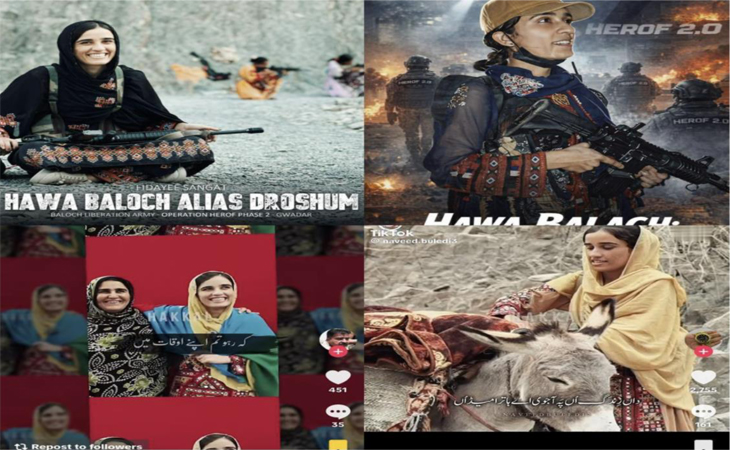
Since then, a chilling list of names has emerged: Sumaiyya Qalandrani, Mahikan Baloch, Mahal Baloch, Zarina Rafiq, and Asiya Mengal.
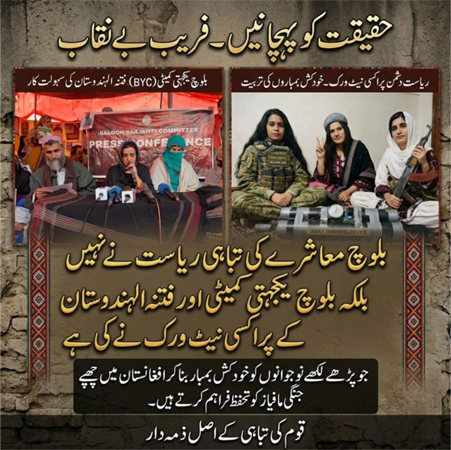
The BYC acts as a Recruitment Nursery, where the state is portrayed as an alien, occupying force. This narrative is designed to break the psychological barriers of young women and children, making the transition from a protest camp to the BLA’s Majeed Brigade seem like a natural progression of activism.
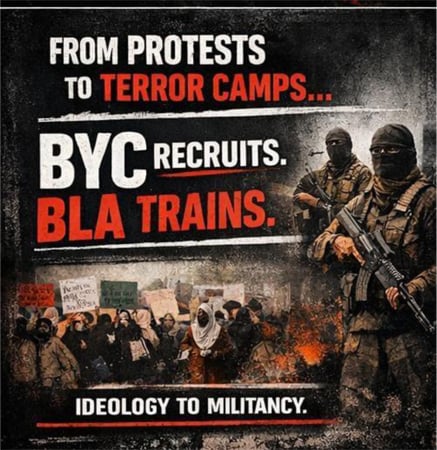
Mechanics of Radicalization
The danger of the BYC’s role lies in its ability to produce the invisible bomber. Unlike the profiled militants of the past, these are educated individuals who can navigate urban centers like Karachi or Quetta without raising suspicion. The BYC normalizes the language of war and “martyrdom” through social media and sit-ins. Once the ideological ground is prepared, the Majeed Brigade provides the tactical training and the explosives.
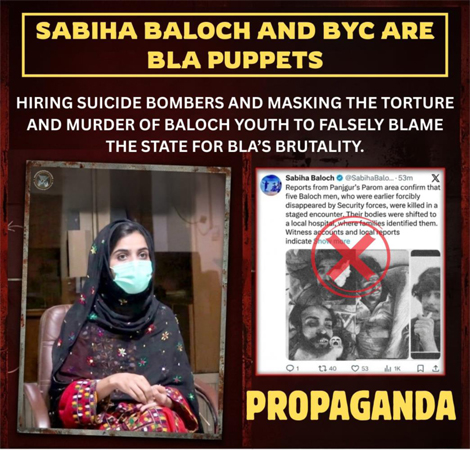
Experts point out that the BYC provides the raw material which the BLA then transforms into ammunition. The rhetoric used by leaders like Sabiha Baloch romanticizes resistance by invoking historical female warriors, effectively grooming a new generation for self-destruction.
The nexus is further exposed by the fact that many of these bombers had direct links to BYC protest camps or were active participants in their digital narrative campaigns.
From Laiba to Raheema Bibi
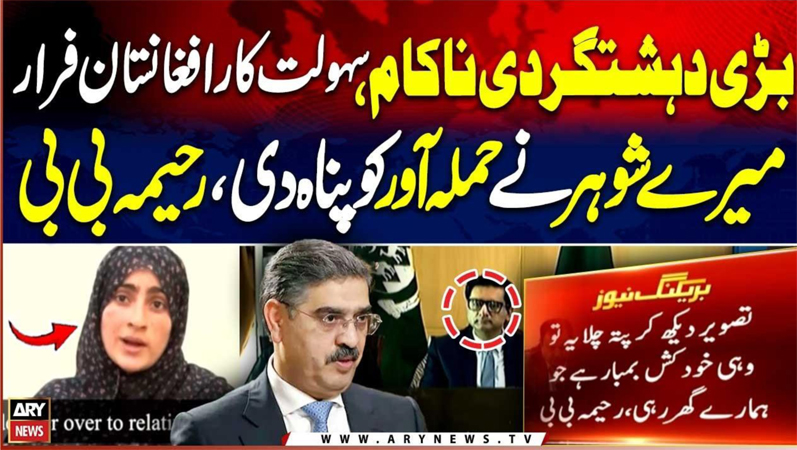
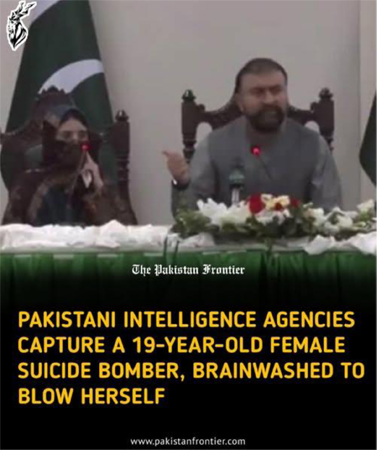
Recent events have provided the smoking gun regarding this coordination. The public testimony of Farzana (alias Laiba) alongside Chief Minister Sarfraz Bugti confirmed a terrifying convergence. Her account detailed how she was groomed by TTP commanders and subsequently directed toward BYC leadership to recruit more women for suicide missions. This highlights a shared anti-state agenda funded by foreign interests, bringing together purportedly secular groups like the BYC with extremist religious outfits.
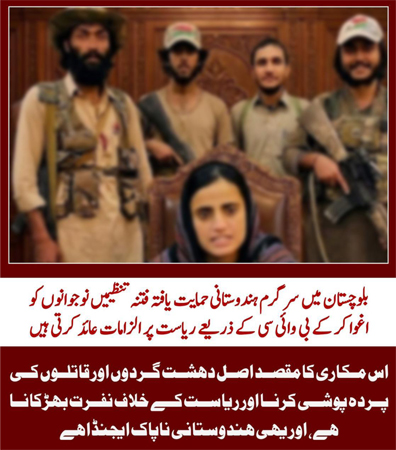
Furthermore, the case of Raheema Bibi serves as a harrowing exposure of the moral decay within these networks. Her husband, Manzoor, exploited her identity and phone number to coordinate with terrorist outfits while she was pregnant. It was revealed that a suicide bomber, Zarina Rafiq, stayed at their home before being sent to a training camp in Afghanistan.
This sequence of events exposes the reality behind the missing persons rhetoric; individuals are not missing by the state, but are being funneled through safe houses managed by BYC-linked facilitators into foreign-based training camps.
Missing Persons Rhetoric
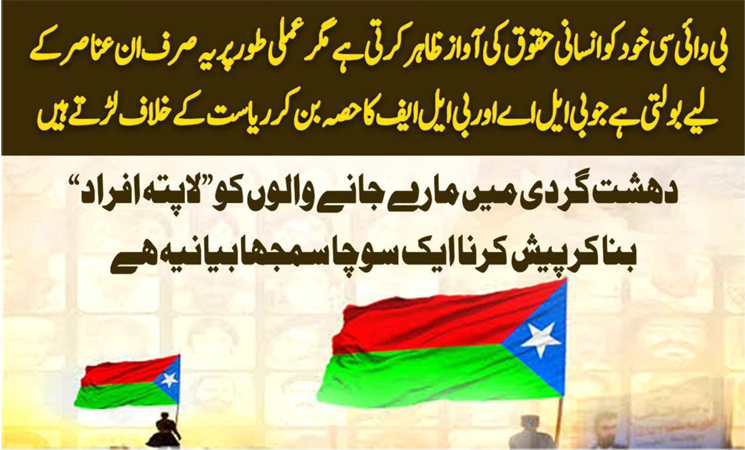
A central pillar of the BYC’s strategy is the aggressive promotion of the missing persons rhetoric, which is used to delegitimize state institutions on international forums.
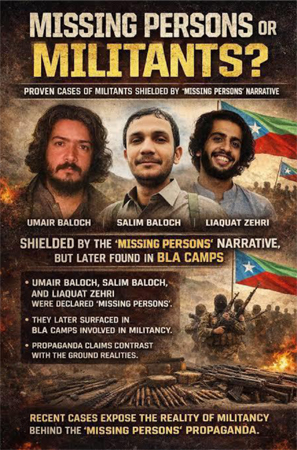
However, recent intelligence and testimonies indicate that this rhetoric often serves as a tactical smokescreen. In many documented cases, individuals reported as missing by the BYC and its affiliates are discovered to be residing in safe houses or active training camps in Afghanistan, managed by the BLA’s Majeed Brigade. By labeling active militants as forcibly disappeared civilians, the BYC provides these operatives with a layer of social immunity, allowing them to move between urban centers and militant hubs under the guise of being victims.
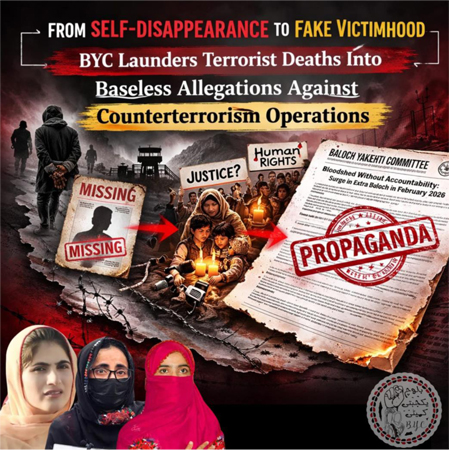
This calculated manipulation of human rights language not only misleads the international community but also protects the recruitment pipeline that funnels disappeared youth into active combat and suicide missions.
The Real Culprit
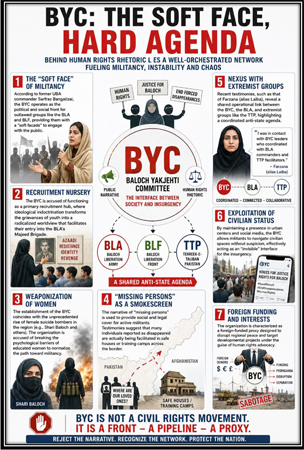
The evidence suggests that the BYC is not a bystander to the violence in Balochistan; it is the factory for radicalization. By utilizing the sanctity of the right to protest, it provides the BLA with a sophisticated, soft skin interface that is harder to detect than a traditional militia.
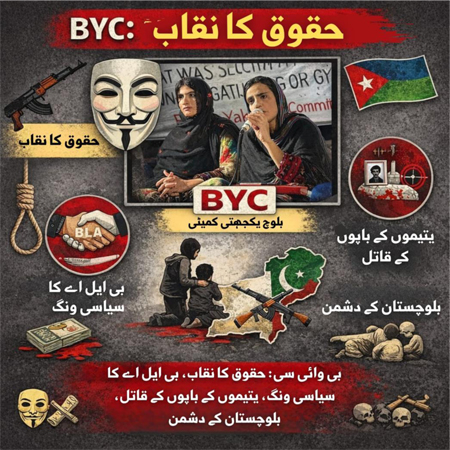
The BYC is the real culprit! It is a foreign-funded, soft face of terrorism that weaponizes the grievances of the Baloch people to serve a violent, anti-state agenda. For both the people of Balochistan and the international community, the challenge is to look beyond the slogans of human rights and recognize a calculated machinery designed to transform grief into militancy and activists into suicide bombers.
The state must treat this so-called political front with the same legal and strategic rigor as the militant front if the cycle of violence is to be broken.