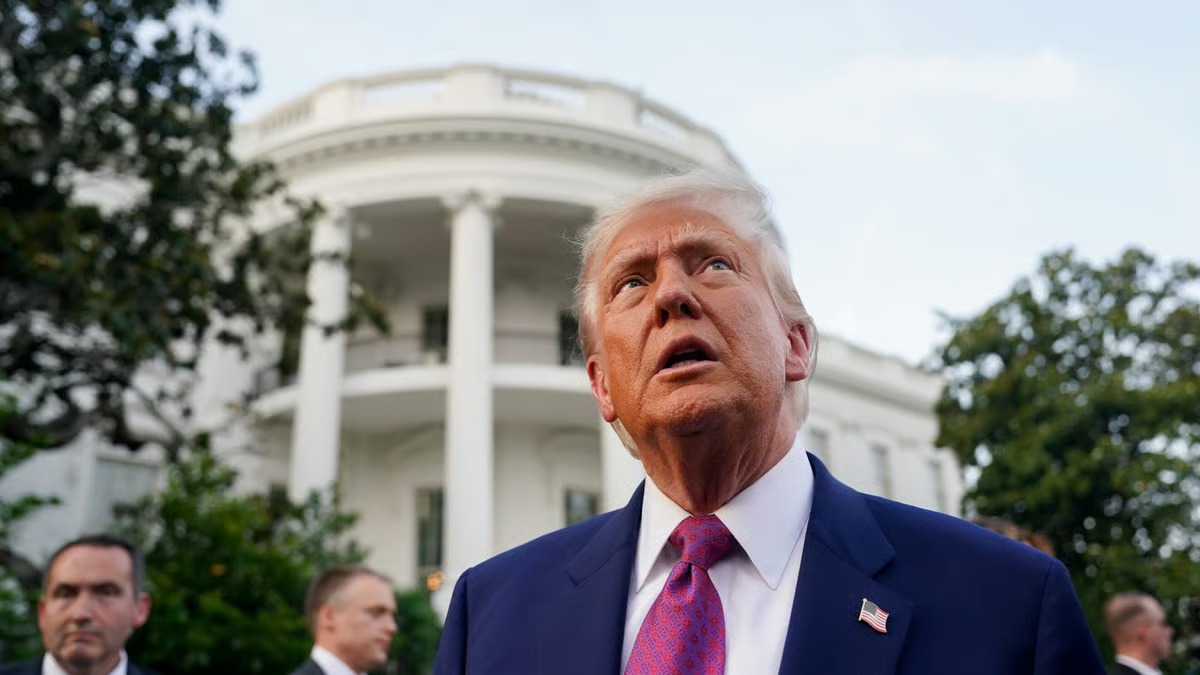
Donald Trump signalled a possible return to military action against Iran, warning that strikes could resume if Tehran “misbehaves,” while he reviews a newly proposed framework for a potential agreement. Speaking before departing Florida, he said he had been briefed on the concept of a deal but was still waiting for its full wording, adding that current terms appeared unlikely to satisfy US expectations.
Read more : Trump says US will take over Cuba ‘almost immediately’
Meanwhile, an Iranian official revealed that Tehran has presented a revised proposal aimed at easing immediate tensions, particularly in the Strait of Hormuz, a vital global energy route. The plan suggests reopening shipping lanes and ending the US blockade, while postponing negotiations on Iran’s nuclear programme to a later stage, in an effort to create space for short-term de-escalation.
However, Trump expressed clear scepticism about the proposal, arguing that Iran had not paid a sufficient price for its actions and reiterating that Washington’s core demand remains unchanged. He insisted that Iran must never acquire nuclear weapons, while also acknowledging that he prefers a diplomatic outcome over military escalation, even as he keeps force as a possible option.
Read more : Trump Expresses Dissatisfaction Over Iran Proposals via Pakistan …
At the same time, Tehran has signalled readiness for diplomacy, with its leadership indicating that talks could move forward if the United States adjusts its approach. The proposal reportedly includes broader conditions such as lifting sanctions, releasing frozen Iranian assets, withdrawing US forces from nearby regions, and securing guarantees against future attacks by both the US and its allies.
The ongoing standoff has already caused major disruptions, as Iran’s restrictions on shipping have affected nearly 20 percent of global oil and gas flows, pushing up fuel prices and increasing economic pressure worldwide. In Washington, rising energy costs have also created political challenges, particularly as midterm elections approach and public concerns over inflation intensify.
Although both sides have paused direct military confrontation in recent weeks, a final agreement still appears distant, with significant disagreements over sequencing and trust. Iran’s strategy to delay nuclear discussions aims to ease immediate tensions, yet the United States continues to prioritise strict guarantees on nuclear restrictions before committing to long-term relief measures.