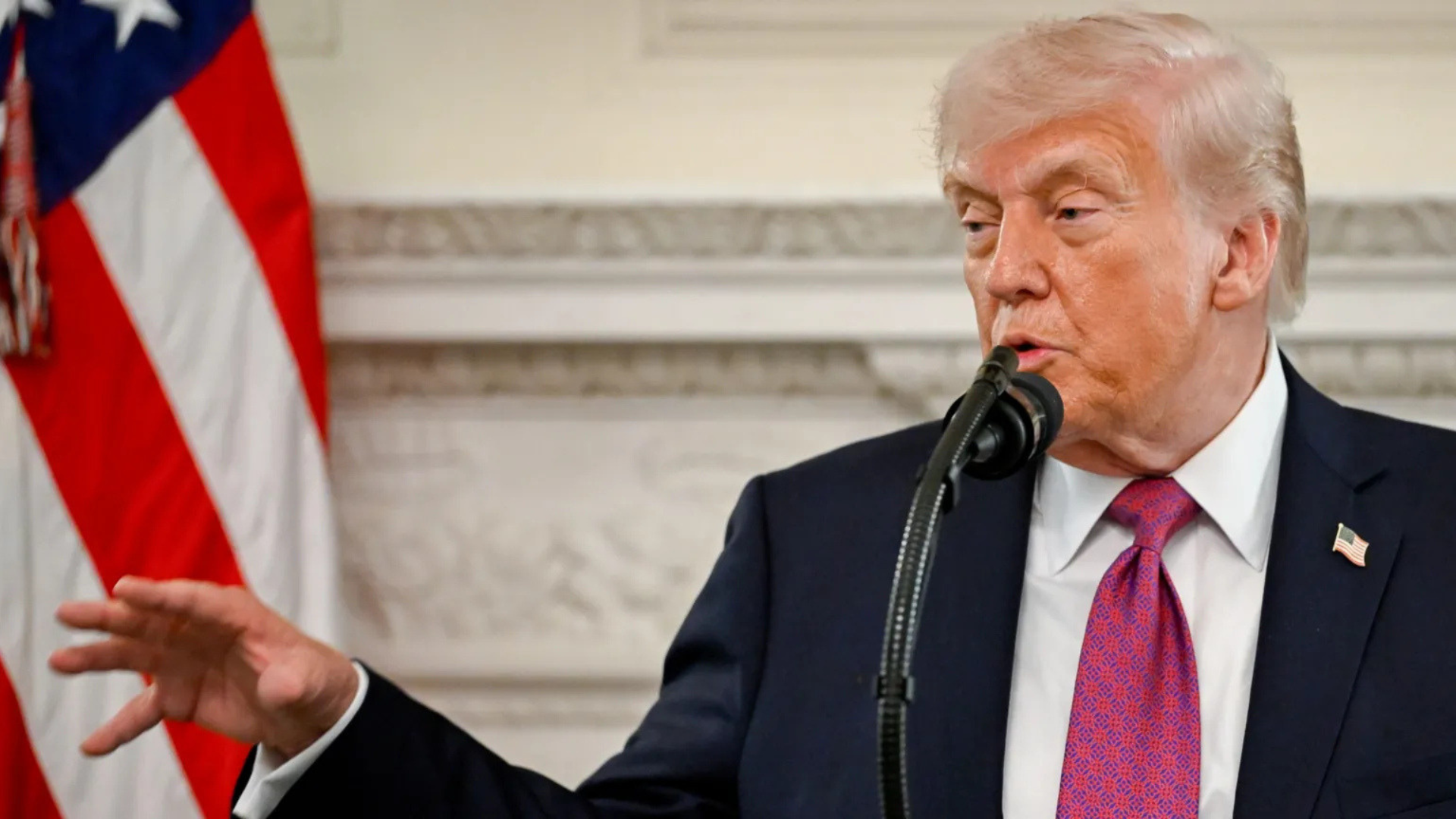
Donald Trump has discussed plans for a potential months-long naval blockade of Iranian ports, as Washington evaluates ways to sustain pressure while limiting disruption to global oil markets. The discussions, held with energy executives, focused on managing supply shocks and protecting domestic consumers if the blockade continues. This development comes amid a deepening standoff with Iran, where tensions remain high and diplomatic progress has stalled.
Meanwhile, the United States is urging allies to support efforts to reopen the Strait of Hormuz, a critical global oil corridor affected by the conflict. Washington has proposed forming a coalition to secure maritime traffic and ensure the flow of energy supplies. However, several countries have signaled caution, indicating they may only participate after hostilities subside. As a result, uncertainty continues to surround the feasibility and timing of such a multinational initiative.
Read more : ‘No more nice guy’: Trump tells Iran to ‘get smart soon’ on nuclear deal
In response, Iran has warned it will continue disrupting shipping activity in the Strait as long as it faces threats, raising the risk of prolonged supply disruptions and economic fallout. The confrontation has already impacted global markets, with oil prices rising sharply amid fears of extended instability. Analysts note that continued restrictions on shipping routes could intensify volatility, further straining economies that rely heavily on steady energy imports.
At the same time, diplomatic efforts remain fragile, with backchannel communication continuing through intermediaries, including Pakistan, which is attempting to prevent further escalation. Despite these efforts, both sides have exchanged strong public statements, reflecting deep divisions over key issues. The United States insists on addressing Iran’s nuclear ambitions, while Tehran seeks broader assurances, including an end to military pressure before engaging in detailed negotiations.
Read more : China tightens grip before Trump summit
The conflict has also placed significant financial and political pressure on Washington, with reports indicating that military operations have already cost tens of billions of dollars. Domestically, rising fuel prices and economic concerns are shaping public opinion, adding urgency to finding a resolution. At the same time, policymakers continue to weigh military, economic, and diplomatic options in a rapidly evolving situation.
As tensions persist, broader regional and global implications are becoming more evident, including rising inflation, disrupted trade routes, and heightened geopolitical uncertainty. The ongoing standoff highlights the delicate balance between strategic objectives and economic stability. Consequently, the coming weeks are expected to be critical, as both sides decide whether to escalate further or move toward a negotiated settlement that could ease pressure on global markets.