 The United Arab Emirates (UAE) said on Tuesday it quit OPEC and OPEC+, dealing a heavy blow to the oil exporting groups and their de facto leader, Saudi Arabia, at a time when the war on Iran has caused a historic energy shock and unsettled the global economy.
The stunning loss of the UAE, a longstanding OPEC member, could create disarray and weaken the group, which has usually sought to show a united front despite internal disagreements over a range of issues from geopolitics to production quotas.
UAE Energy Minister Suhail Mohamed al-Mazrouei told Reuters the decision was taken after a careful look at the regional power’s energy strateHormuz crisisgies.
Asked whether the UAE consulted with Saudi Arabia, he said the UAE did not raise the issue with any other country.
“This is a policy decision, it has been done after a careful look at current and future policies related to level of production,” said the energy minister.
OPEC Gulf producers have already been struggling to ship exports through the Strait of Hormuz, a narrow chokepoint between Iran and Oman through which a fifth of the world’s crude oil and liquefied natural gas normally passes, because of Iranian threats and attacks against vessels.
Mazrouei said the move would not have a huge impact on the market because of the situation in the strait.
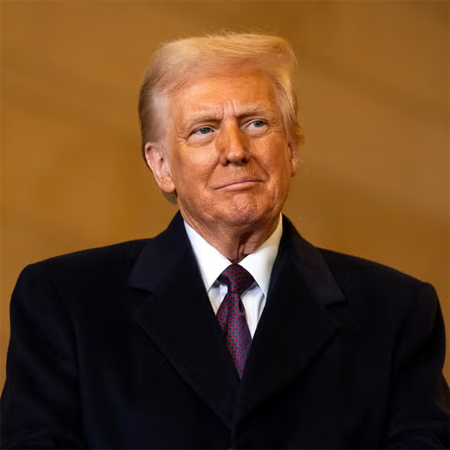
But the UAE exit from OPEC represents a big win for US President Donald Trump, who has accused the organisation of “ripping off the rest of the world” by inflating oil prices.
Separately, United States President Donald Trump on Tuesday said Iran has informed the US that it was in a “state of collapse” and had asked for the “opening of the Hormuz Strait as soon as possible”.
In a post on his Truth Social platform, Trump claimed that Iran made the request as it sought to address its leadership situation, adding that he believed it would be able to do so.
Iran’s deputy defence minister said the US can no longer “dictate” what other countries do as Washington reviews Tehran’s new proposal.
“The US is no longer in a position to dictate its policy to independent nations,” Reza Talaei-Nik was quoted as saying by state TV, according to Al Jazeera.
Talaei-Nik said Washington would have to “accept that it must abandon its illegal and irrational demands”.
Al Jazeera reported that the spokesperson also said that Iran was ready to share its defensive weapons capabilities with “independent countries, especially members of the Shanghai Cooperation Organisation (SCO)”, Iran’s Deputy Defence Minister Reza Talaei-Nik was quoted as saying by state media.
“We are ready to share the experiences of America’s defeat with other members of the organisation,” Talaei-Nik said during a meeting of SCO defence ministers held in Kyrgyzstan, according to Al Jazeera.
The Iranian official recently held talks with Russian and Belarusian defence personnel, who stressed their willingness to continue cooperating with Tehran
Meanwhile, Qatar’s Foreign Ministry spokesperson Dr Majed Mohammed al-Ansari said that their position has been “clear from day one” that “any conflict in the region should be solved on the negotiation table,” and supported Pakistan’s role in mediation efforts.
“We do not need to expand the circle of negotiations. We support Pakistani mediation,” he said.
He added that they are engaging with all their respondents over reopening the Strait of Hormuz in a press briefing, according to Al Jazeera.