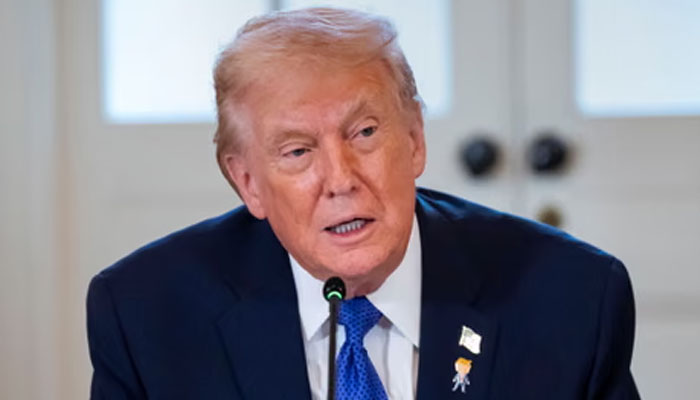
US President Donald Trump has expressed dissatisfaction with the latest Iranian proposal aimed at ending the ongoing two-month war, according to a US official. The development signals continued deadlock in diplomatic efforts to resolve a conflict that has disrupted global energy supplies and worsened inflation pressures. The disagreement highlights deep divisions between Washington and Tehran over the path to peace.
The Iranian proposal reportedly suggests postponing nuclear discussions until the war ends and maritime disputes are resolved. However, US officials argue that nuclear issues must be addressed from the beginning of any negotiation process. The White House said it remains committed to its stated red lines and will not negotiate through media channels.
Read more: Trump highlights Pakistan ties, Iran conflict remarks
Moreover, tensions have intensified as both sides remain far apart on key conditions for talks. Iran is seeking guarantees that hostilities will not resume and wants resolution of maritime blockades before addressing nuclear concerns. The United States, meanwhile, insists that Iran’s nuclear program is central to any agreement. This gap has stalled progress toward a ceasefire framework.
Additionally, diplomatic activity has continued through third-party channels, including meetings in Islamabad, Oman, and Russia. Iranian Foreign Minister Abbas Araghchi has held discussions with international leaders, including Russian President Vladimir Putin. Despite these efforts, no breakthrough has been achieved, and planned US envoy travel to Islamabad was cancelled.
Read more: Pakistan still seeks to bridge US-Iran gaps after face-to-face talks
Finally, the conflict has had a noticeable impact on global oil markets and shipping routes. Restrictions in the Strait of Hormuz have reduced maritime traffic and increased energy prices. Analysts warn that continued instability could further disrupt global trade. Both sides remain under pressure to find a diplomatic solution as economic consequences deepen.