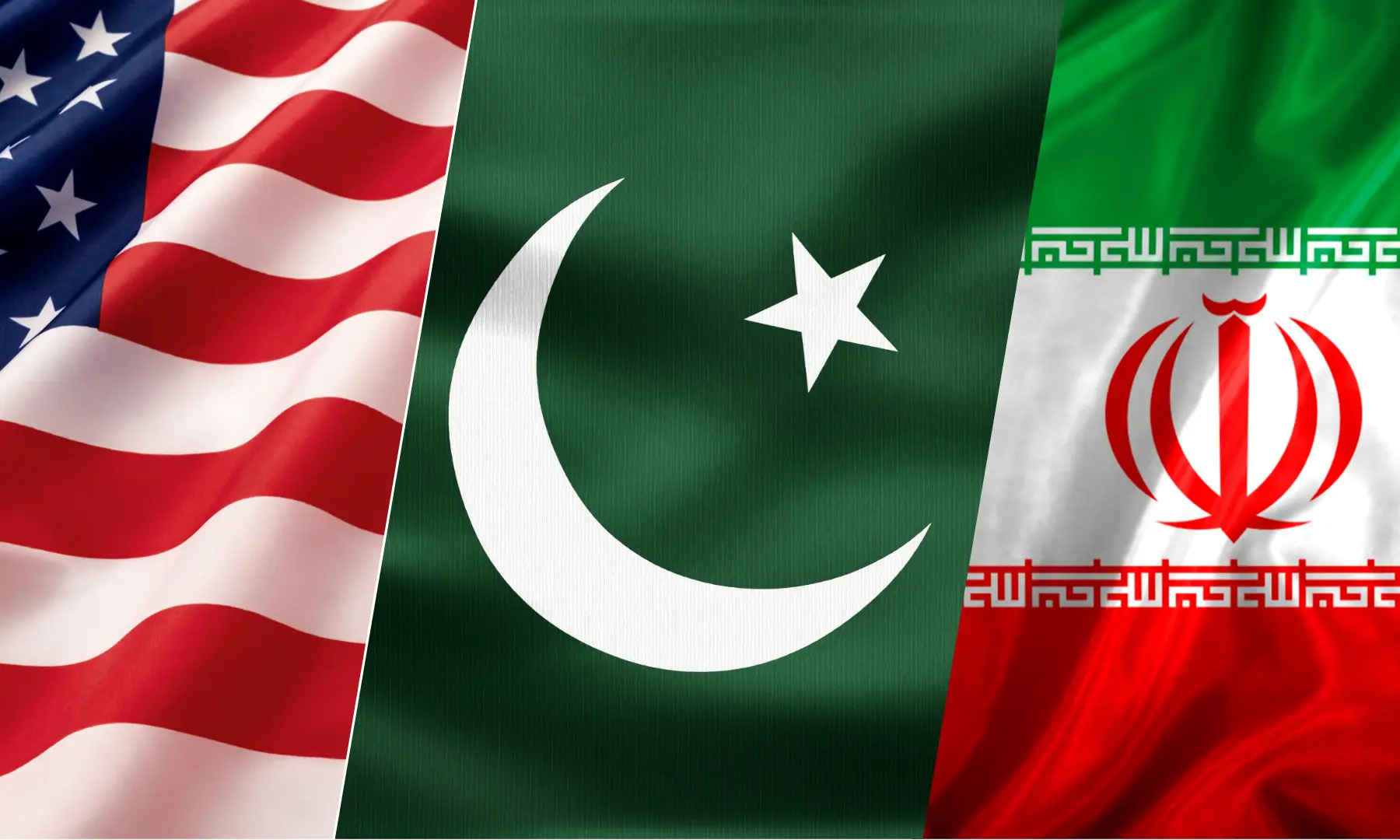
Indirect negotiations between Iran and United States are continuing under a new framework supported by Pakistan. The shift follows domestic resistance in Iran to direct talks. The development ensures dialogue continues while managing political sensitivities on both sides.
Previously, Iran avoided direct engagement with the United States due to internal political concerns. However, the change in format reflects a strategic adjustment rather than a retreat. As a result, both sides remain engaged through intermediaries while maintaining their official positions.
Moreover, indirect negotiations allow both countries to communicate without facing immediate political pressure. Experts are also conducting parallel technical discussions to address key issues. This layered approach helps sustain progress despite the absence of direct diplomatic meetings.
In addition, Pakistan is playing a central role by facilitating communication between the two sides. Countries like Oman and Russia are also contributing to the mediation process. Together, they are creating a multi-channel framework that reduces the risk of deadlock.
Overall, the current diplomatic approach reflects a structured and phased negotiation strategy. It enables confidence-building and policy testing before direct engagement begins. The process highlights Pakistan’s growing importance as a key facilitator in regional diplomacy and conflict management.