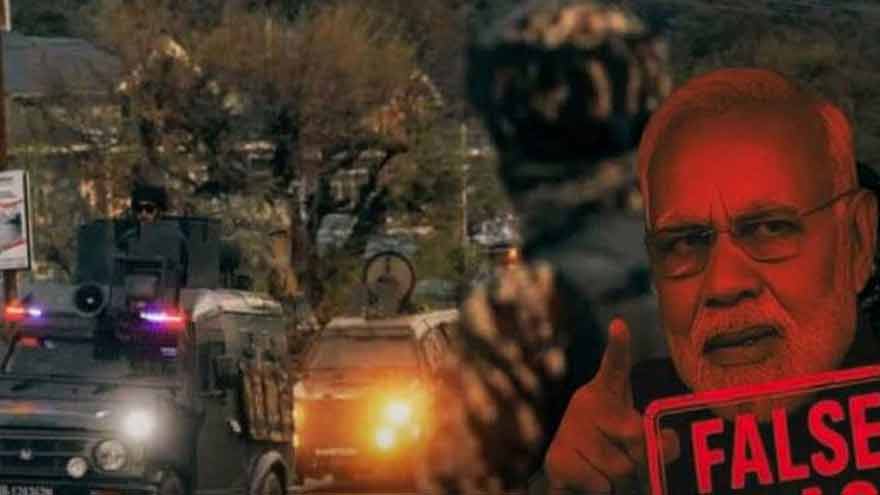
Growing scrutiny has emerged over sections of the Indian media following the Pahalgam incident, as analysts and observers question the accuracy and tone of reporting during a highly sensitive regional security situation. Critics argue that several outlets quickly promoted unverified claims and speculative narratives while attributing responsibility without presenting credible evidence, which raised serious concerns about misinformation and its potential impact on regional stability and diplomatic relations.
Read more : Indus Waters and the Post-Pahalgam Legal Questions –
Moreover, commentators noted that some media discussions adopted highly charged rhetoric, portraying routine government statements and military preparedness measures as extraordinary developments. Such framing, analysts say, amplified public emotions and intensified tensions at a time when careful communication and verified reporting were essential to prevent further escalation between two nuclear-armed neighbours in South Asia.
At the same time, observers highlighted that the amplification of dramatic narratives on television debates and digital platforms contributed to international concern about responsible journalism. Experts stressed that inaccurate or exaggerated coverage during security crises can influence public opinion, shape policy discourse, and create unnecessary pressure on governments already managing delicate geopolitical challenges.
Read more : Pahalgam attack anniversary renews debate over India security lapses
In addition, critics pointed out that discussions within segments of the Indian media appeared to focus heavily on external accusations while offering limited scrutiny of domestic security management or policy decisions. This imbalance, analysts suggest, has raised wider questions regarding editorial independence, accountability, and the role of journalism in promoting balanced public understanding.
Therefore, experts emphasised that responsible reporting, verification of facts, and measured language are essential during moments involving regional tensions and potential military implications. They argued that credible journalism should prioritise evidence-based reporting and constructive debate to support stability rather than inflame tensions in an already volatile environment.