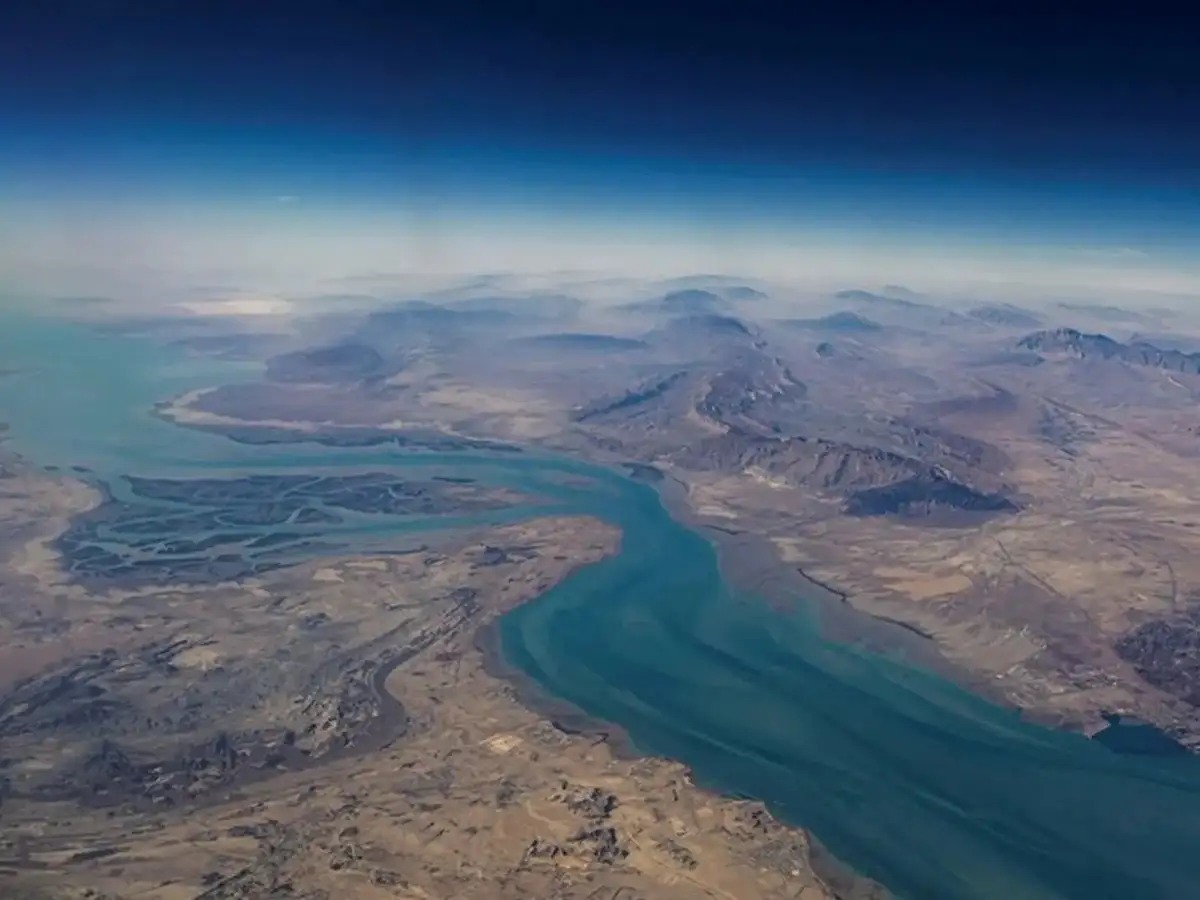
Gulf states are increasingly concerned that ongoing diplomacy between the United States and Iran may end up reinforcing Tehran’s strategic control over the Strait of Hormuz rather than reducing regional tensions. Officials and analysts warn that negotiations risk focusing narrowly on limited issues while leaving broader security concerns unresolved.
Reports suggest that upcoming discussions in Pakistan may prioritize uranium enrichment levels and economic stability instead of addressing Iran’s missile programme or regional proxy activities. Gulf officials argue that this shift could allow Iran to retain significant leverage over critical global energy routes without broader concessions.
Read more : US Releases Video After Seizing Iranian Vessel in Gulf Waters
Furthermore, Gulf sources believe the diplomatic approach increasingly accepts Iran’s influence over Hormuz as a practical reality rather than challenging it. Since the strait handles roughly one-fifth of global oil shipments, any disruption or control over it remains a powerful geopolitical tool shaping global energy security.
Tensions have intensified after warnings from international figures, including comments highlighting Hormuz as a strategic pressure point in global negotiations. Iranian officials have described the strait as a “golden asset,” stressing that its geographic position gives Tehran long-term leverage that cannot easily be removed or neutralized.
Read more : Pakistan, Qatar ‘in advanced stage of talks’ for LNG cargoes
Meanwhile, analysts say Iran’s military and security establishment views the strait as a carefully prepared deterrent mechanism. They argue that Tehran’s strategy now includes leveraging maritime control alongside its missile capabilities, creating multiple layers of influence over regional and international pressure points.
At the same time, Gulf states warn that their security concerns risk being sidelined in negotiations that focus heavily on nuclear enrichment and sanctions relief. They argue that without addressing missile threats, proxy conflicts, and maritime security together, any agreement may only stabilize tensions temporarily rather than resolve them fully.