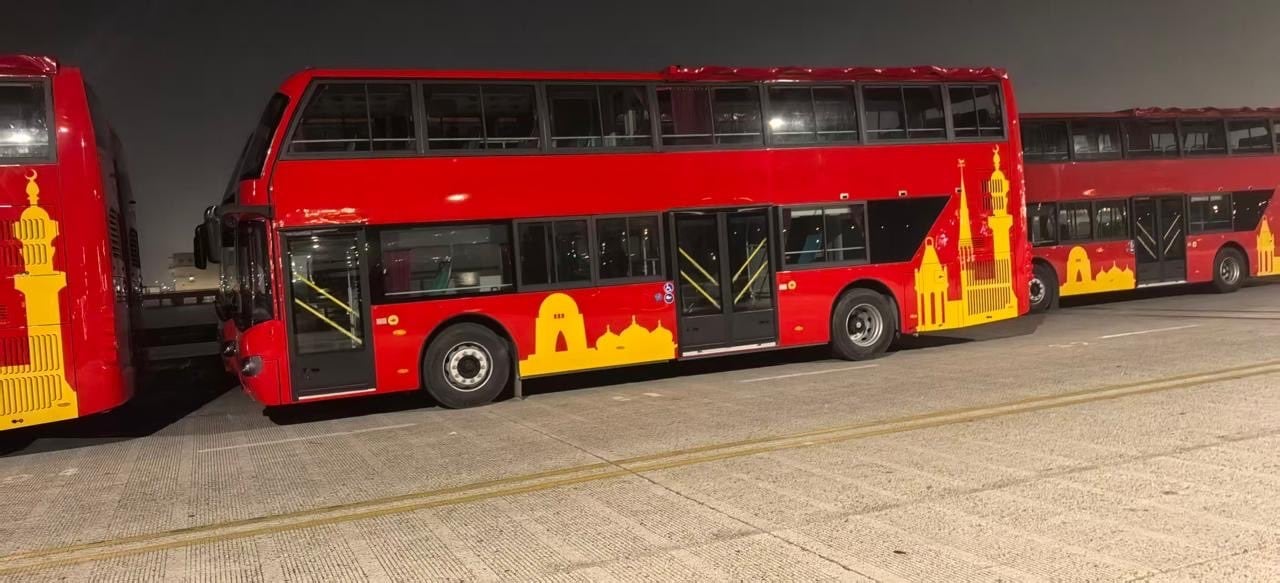
Punjab has rapidly advanced its transport and civic infrastructure over the past two years, introducing modern systems aimed at improving mobility, safety, and public convenience across major urban centers in the province. Officials report that multiple initiatives now align closer with international standards, marking a visible shift in public transport services and traffic management. As a result, citizens increasingly experience upgraded facilities that were previously seen in developed countries. Therefore, the province continues prioritizing large-scale reforms in mobility and infrastructure development.
Read more : Punjab CM holds back-to-back meetings to review depts’ working
To address persistent traffic congestion in major cities, authorities approved a comprehensive roadmap focusing on modern traffic management systems, especially in Lahore during the initial phase of implementation. Officials emphasize strict adherence to road safety rules, including seat belt and helmet use, to reduce accidents and injuries among commuters. A recent report highlights a noticeable decline in head injuries among motorcyclists due to increased helmet compliance. Consequently, safety awareness has become a central component of Punjab’s transport policy.
Punjab’s modern public transport journey began earlier with the introduction of metro bus services in cities like Lahore, Multan, and Rawalpindi, which significantly improved urban commuting options. Air-conditioned buses, Speedo services, and Pink Bus initiatives further expanded affordable transport access across multiple routes in major cities. Additionally, the Orange Line Train project marked a major milestone in rail-based urban transit development. However, project delays in earlier years increased overall costs and slowed infrastructure progress significantly.
Read more : Punjab leading other provinces in good governance, claims Azma
In recent developments, the current provincial administration has expanded electric bus services across Punjab, offering low-cost and environmentally friendly travel options to the public. Authorities confirm that fares remain highly affordable, making modern transport accessible to a wide population, including low-income commuters. The rollout began in multiple districts, reflecting a broader strategy to decentralize urban mobility improvements. As a result, electric transport has become a visible symbol of provincial modernization efforts.
Furthermore, Punjab has signed agreements to launch a fast train project covering extensive routes across the province, aiming to connect key cities and regions through high-speed rail infrastructure. Officials estimate the system will benefit tens of millions of people by improving travel time, connectivity, and economic activity across multiple districts. Work on related projects, including metro expansions in other cities, continues under strict deadlines. Therefore, transport authorities are focusing on long-term regional integration through rail development.
According to public surveys, a significant portion of the population has expressed satisfaction with recent transport reforms and infrastructure upgrades implemented over the past two years. Officials highlight that ongoing projects are designed to improve accessibility, affordability, and efficiency in public transportation systems across Punjab. Meanwhile, further expansion plans are under consideration to strengthen urban and intercity connectivity. Consequently, the province continues positioning itself as a leader in modern mobility transformation.