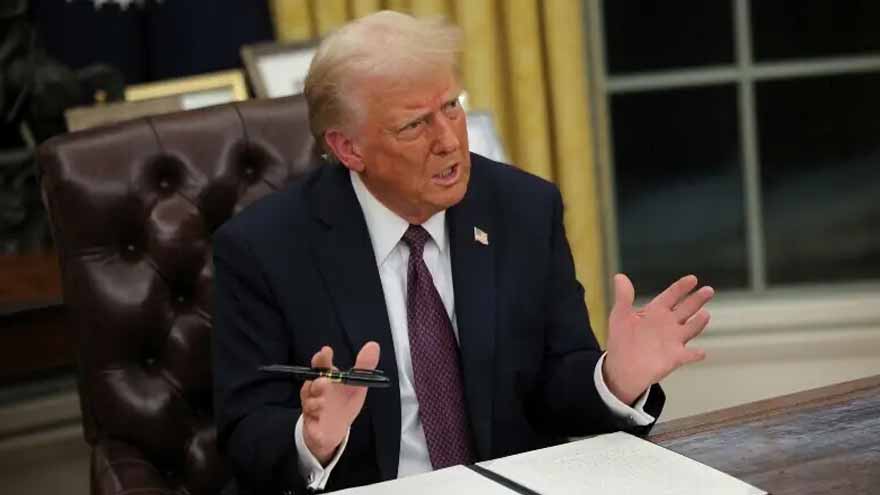
The United States President Donald Trump chaired a high-level Situation Room meeting at White House reviewing Iran conflict and Middle East tensions amid ceasefire nearing expiry and Strait of Hormuz diplomatic efforts with Iran. US Vice President JD Vance attended alongside senior security officials as discussions covered ongoing negotiations and Pakistan-linked diplomatic contacts with Iranian representatives in detail during session. Sources said Trump held at least one phone call with Pakistan’s Field Marshal Asim Munir and also communicated with Iranian officials during the Situation Room meeting. The discussions came just days before the 15-day ceasefire between the United States and Iran is set to expire increasing pressure on negotiators for a deal.
Read more : Field Marshal Asim Munir chairs 273rd Corps Commanders …
The meeting focused on security developments in the Strait of Hormuz and ongoing diplomatic efforts with Iran as tensions continued in the region across multiple channels. Officials said JD Vance is expected to lead upcoming negotiations building on his earlier role in Islamabad talks between Washington and regional stakeholders as well in future rounds. The White House did not issue an official statement on the Situation Room meeting despite attendance of top cabinet and intelligence officials at this time. Senior officials present included the secretary of state defense secretary treasury secretary CIA director and chairman of Joint Chiefs of Staff among others involved in briefing.
Read more : Field Marshal Asim Munir is now country’s first CDF
Speaking from the Oval Office Trump said Iran acted provocatively over the Strait of Hormuz and insisted it cannot blackmail the United States any longer. He added that the United States continues talks with Iran and expects clarity by the end of the day on possible agreement progress soon from officials. Earlier the US and Israel launched a joint offensive against Iran on February 28 escalating regional tensions across multiple countries in the region quickly afterward. The conflict has been paused since April 8 after a Pakistan-mediated ceasefire that temporarily reduced direct military escalation between the two sides in the region.
Diplomatic channels remain active with Pakistan previously mediating ceasefire efforts and hosting discussions between American and Iranian delegations in Islamabad recently in coordination efforts ongoing. The Strait of Hormuz remains a critical shipping route for global oil supplies making its stability central to ongoing negotiations and economic concerns worldwide implications. Recent naval movements and reported tensions have increased fears of disruption especially as military activity expands near key maritime corridors across international waters further escalation risks. Officials expect further negotiations soon although no formal date has been announced leaving uncertainty over the next phase of diplomatic engagement between parties involved globally watched process.
The Situation Room meeting underscored escalating tensions and ongoing diplomatic urgency as the United States weighs its next steps in Iran policy carefully at this stage. Coordination between military intelligence and diplomatic officials highlighted a multi-layered approach to managing the crisis across the Middle East region under high pressure conditions globally significant. President Trump indicated he expects clarity on potential agreement progress by the end of the day after reviewing all developments with senior advisers closely monitoring situation. The situation remains sensitive as the ceasefire period approaches its end with global attention focused on preventing renewed escalation in conflict in coming days ahead of talks.