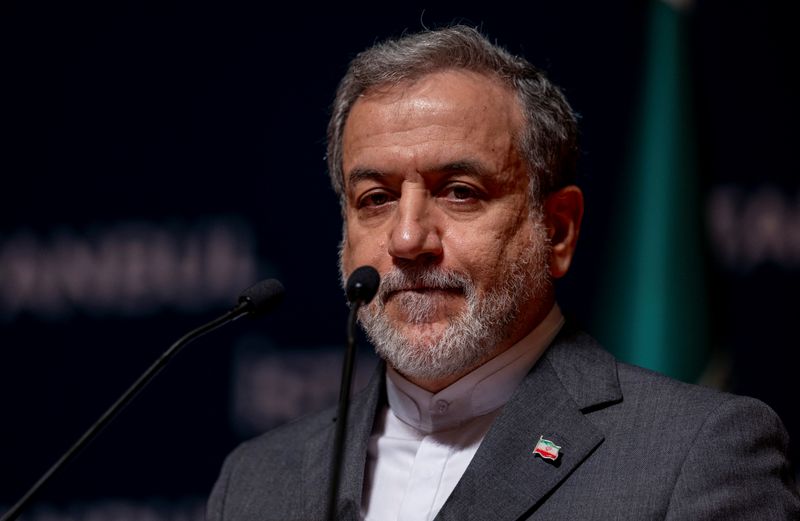
Iranian President Masoud Pezeshkian strongly defended his country’s nuclear rights and criticised US President Donald Trump for questioning Tehran’s ability to pursue civilian nuclear energy. Speaking at a press conference, Pezeshkian argued that no foreign leader has the authority to deny a nation its legitimate rights or restrict access to peaceful nuclear technology under international norms.
His remarks came as diplomatic negotiations between the United States and Iran continue amid growing tensions over nuclear activities and regional security issues. While both sides acknowledged progress in recent discussions, officials admitted that significant disagreements remain unresolved, particularly regarding nuclear restrictions and the future status of the Strait of Hormuz.
Read more : Trump hails Iran decision on Hormuz Strait
Iran’s chief negotiator Mohammad Baqer Qalibaf said recent talks produced limited progress but major gaps still exist between both countries’ positions. Meanwhile, Donald Trump described the negotiations as “very good conversations” yet avoided providing details about the proposals or possible compromises being considered.
At the same time, tensions intensified after Tehran reasserted control over the Strait of Hormuz and closed the strategic energy route again. Iranian officials said the move responded to a continuing US maritime blockade of Iranian ports, which they described as a violation of an existing ceasefire arrangement.
Read more : Trump rejects Iran’s attempt to blackmail US over Hormuz
The ongoing conflict between Iran, the United States, and Israel has now entered its eighth week, spreading beyond borders and pushing global oil markets into uncertainty. Before the crisis, the Strait of Hormuz carried nearly one-fifth of the world’s oil shipments, making disruptions there highly sensitive for global energy supply.
Diplomatic efforts remain uncertain as both sides continue negotiations while military pressure and regional tensions persist. Reports indicate that Washington proposed suspending Iran’s nuclear activity for twenty years, while Tehran suggested a shorter halt of three to five years as a possible compromise.