 At least two merchant vessels reported they were hit by gunfire as they attempted to cross the Strait of Hormuz on Saturday, three maritime security and shipping sources said, shortly after Iran said it was once more tightening control of the waterway.
Some merchant vessels received a radio message from Iran’s Navy that the vital energy chokepoint was shut again and no ships were allowed to pass through, shipping sources said.
Earlier maritime trackers showed a convoy of eight tankers transiting the waterway in the first major movement of ships since the US-Israeli war on Iran began seven weeks ago.
But Iran then said it was reimposing strict military controls on the narrow route, the conduit before the war of about a fifth of global oil trade, as the US maintained its blockade of Iranian ports.
And in a defiant message posted on his Telegram channel, Iran’s Supreme Leader Mojtaba Khamenei said Iran’s navy was ready to inflict “new bitter defeats” on its enemies.
US President Donald Trump warned Tehran that it cannot blackmail Washington by shutting the Strait of Hormuz.
Trump explained that the US was having “very good conversations” with Iran, but he noted that Tehran wanted to close the important oil corridor again and that it could not blackmail the US with such a move.
Iran’s renewed tough messaging injected fresh uncertainty around the Iran conflict, raising the risk that oil and gas shipments through the Strait could remain disrupted just as Washington weighs whether to extend a fragile ceasefire.
Trump hours earlier had cited “some pretty good news” about Iran, declining to elaborate. But he also said fighting might resume without a peace deal by Wednesday, when the two-week ceasefire expires.
Iran had announced its temporary reopening of the Strait of Hormuz following a separate US-brokered 10-day ceasefire agreement on Thursday between Israel and Lebanon. Israel invaded parts of southern Lebanon after Hezbollah joined the fighting in early March.
But on Saturday Iran’s armed forces command said transit through the strait had reverted to a state of strict Iranian military control, citing what it described as repeated US violations and acts of “piracy” under the guise of a blockade.
The spokesperson said Iran had earlier agreed, “in good faith,” to the managed passage of a limited number of oil tankers and commercial vessels following negotiations, but said continued US actions had forced Tehran to restore tighter controls on shipping through the strategic chokepoint.
However, Iran’s top national security body said Saturday that the country was reviewing “new proposals” received from the United States, even as it warned that its negotiators would cut no compromises with Washington.
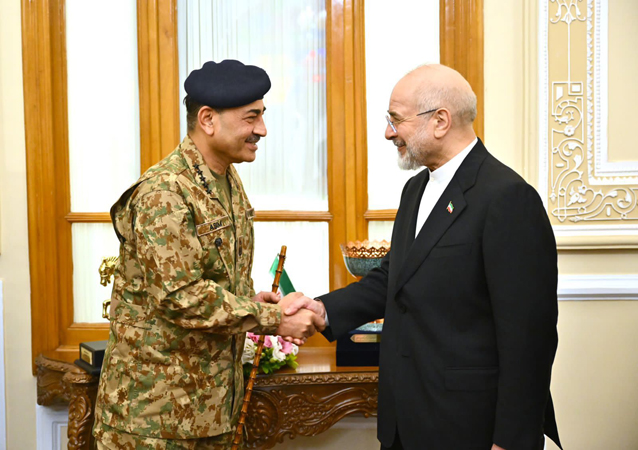
The statement about the review of new proposal came as Pakistan’s Field Marshal Syed Asim Munir, Interior Minister Mohsin Naqvi along with the delegation, concluded a three-day official visit to the Islamic Republic of Iran.
During the visit, the Field Marshal called on the President of Iran, Dr. Masoud Pezeshkian and held separate meetings with Speaker of the National Assembly Mohammad Bagher Ghalibaf, Foreign Minister Abbas Araghchi, and Commander of Khatam ul Anbiya Headquarters Major General Ali Abdollahi.
The discussions were focused upon bringing sustainable peace to the region, with particular emphasis on the evolving regional security environment, ongoing diplomatic engagements, and collaborative measures aimed at promoting enduring peace and stability in the region. The Field Marshal underscored the need for dialogue, de-escalation, and peaceful resolution of outstanding issues through sustained diplomatic engagements.
The Field Marshal expressed deep appreciation for the warm hospitality extended by the Iranian leadership and the people of Iran. He conveyed sincere regards and best wishes from the President, the Prime Minister, and the people of Pakistan to the Iranian leadership, reaffirming Pakistan’s desire to further strengthen the historic and brotherly ties between the two countries.
The visit reflects Pakistan’s unwavering resolve to facilitate a negotiated settlement to the Middle East conflict and to promote peace, stability, and prosperity in the region.
Meanwhile, Iranian and US delegations are expected to arrive in Pakistan over the weekend and could hold negotiations on Monday, Iranian sources familiar with the talks told CNN, though Washington has not confirmed the schedule, if any.
Law enforcement agencies (LEAs) have stepped up security in the federal capital and established additional police pickets across the city in view of a possible second round of peace talks between Iran and the United States in Pakistan, Business Recorder reported on Saturday. news desk/