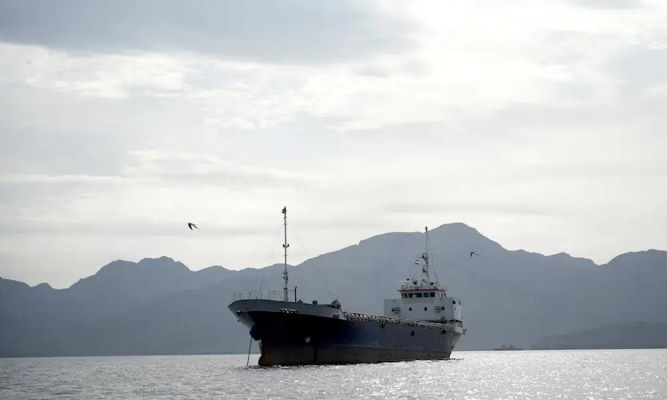
The United States has halted Iran’s maritime trade, enforcing a naval blockade on key routes. The move targets Iran’s economy, which relies heavily on sea-based oil exports and imports. Businesses, global energy markets, and regional stability are directly affected by the escalating tensions.
President Donald Trump said negotiations with Iran could resume within days in Pakistan. He expressed optimism about a potential agreement despite ongoing military pressure. Meanwhile, Vice President JD Vance described recent talks as positive, although no breakthrough has been reached.
Read more: Final push for US–Iran talks in Pakistan
However, US military officials confirmed that naval forces have stopped nearly all trade to and from Iran. Admiral Brad Cooper said the blockade disrupted about 90 percent of Iran’s economic activity. Additionally, several oil tankers linked to Iran have been intercepted or turned back in recent days.
The blockade comes as tensions remain high following conflict that began earlier this year. Iran has effectively restricted movement through the Strait of Hormuz, a key global energy route. As a result, oil markets have shown volatility, although recent diplomatic signals eased some pressure.
Read more: Iran backs Pakistan for US talks
Meanwhile, negotiations continue to face challenges, especially over Iran’s nuclear program and sanctions relief. Both sides differ on the duration of limits on nuclear activity and handling of enriched material. Despite progress in back-channel talks, regional conflict involving Israel and allied groups complicates peace efforts.