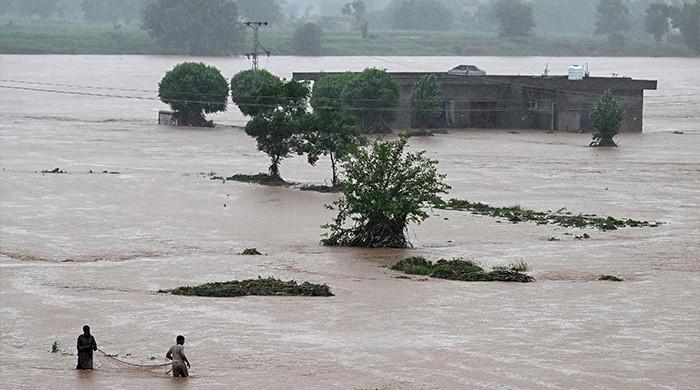
Maryam Nawaz Sharif has directed authorities across Punjab to complete all major drainage projects before June, setting a strict deadline ahead of the upcoming monsoon season. She issued these instructions during a high-level meeting focused on urban infrastructure development and flood prevention planning. Officials were told to accelerate work to avoid waterlogging risks during heavy seasonal rains.
Read more : Punjab announces free transport in 17 districts to boost public relief
Furthermore, the meeting approved the design of WASA complexes in 15 cities and emphasized continuous round-the-clock construction activity on ongoing sewerage and drainage projects. The chief minister ordered departments to maintain strict timelines and ensure quality standards in execution. Authorities said the initiative aims to improve urban sanitation systems and reduce flood-related disruptions in major cities.
In addition, the provincial plan includes laying approximately 2,265 kilometers of sewerage lines and 189 kilometers of dedicated rainwater drainage pipelines across multiple urban centers. These projects are being implemented in cities including Sargodha, Multan, Faisalabad, and several other key districts across the province. Officials said this large-scale infrastructure upgrade is designed to strengthen water management capacity.
Read more : Punjab CBD projects to spur urban development: CM’s aide
Moreover, the first phase of the project includes the construction of 86 disposal stations and nine underground water storage tanks to improve drainage efficiency. Authorities also confirmed that after completion, around 752 kilometers of roads will be reconstructed to restore urban connectivity and support infrastructure upgrades. These measures aim to ensure long-term improvements in both sanitation and transportation systems.
At the same time, officials informed the meeting that a province-wide de-silting campaign will begin before the monsoon season to clean drainage channels and improve water flow. The campaign will focus on removing blockages and ensuring smooth drainage in vulnerable urban areas. Additionally, real-time monitoring systems using digital dashboards and mobile applications will track project progress across all cities.
Overall, the government’s initiative reflects a comprehensive strategy to modernize urban infrastructure and reduce flood risks during the rainy season. By combining drainage expansion, road reconstruction, and digital monitoring, the province aims to improve resilience against climate-related challenges. Authorities believe timely completion of these projects will significantly reduce urban flooding issues in the coming monsoon cycle.