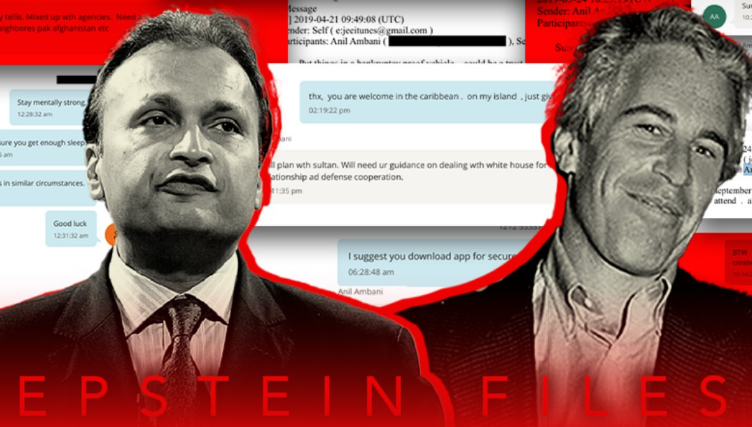
India’s Strategic Decisions are reportedly being shaped by controversial networks, according to investigative reports from the U.S. Department of Justice and international media. Sources allege that billionaire Anil Ambani, with guidance from convicted financier Jeffrey Epstein, influenced India’s defense and foreign policies, particularly regarding Israel. Leaked emails suggest the network sought to expand arms deals and intelligence cooperation with the United States to secure Washington’s political favor. This revelation has alarmed global observers concerned about transparency and accountability in India’s international dealings. Analysts note that such hidden influences undermine democratic processes and raise ethical questions about national security decision-making.
Investigations indicate that Epstein leveraged his connections within the U.S. government to provide Ambani with privileged access to key officials, including Jared Kushner and Steve Bannon. Private dinners and high-level meetings were reportedly arranged to elevate Ambani’s profile internationally. Reports claim that these interactions coincided with critical defense deals, such as the 2017 $2 billion Israel-oriented agreements, highlighting a strategic tilt in India’s policy. Experts suggest that this type of influence could distort official assessments and push policies favoring personal or corporate interests over national priorities.
Financial documents reveal that Ambani’s net worth reportedly declined from $45 billion to $1.7 billion, yet he continued to wield significant influence through Epstein’s network. Epstein allegedly provided “friendly” financial advice, which allowed Ambani to maintain global connections without direct payment. Leaked communications suggest that Ambani’s actions were synchronized with India’s general elections in 2019, potentially intertwining private interests with political outcomes. Observers warn that this raises concerns over conflicts of interest in India’s policymaking.
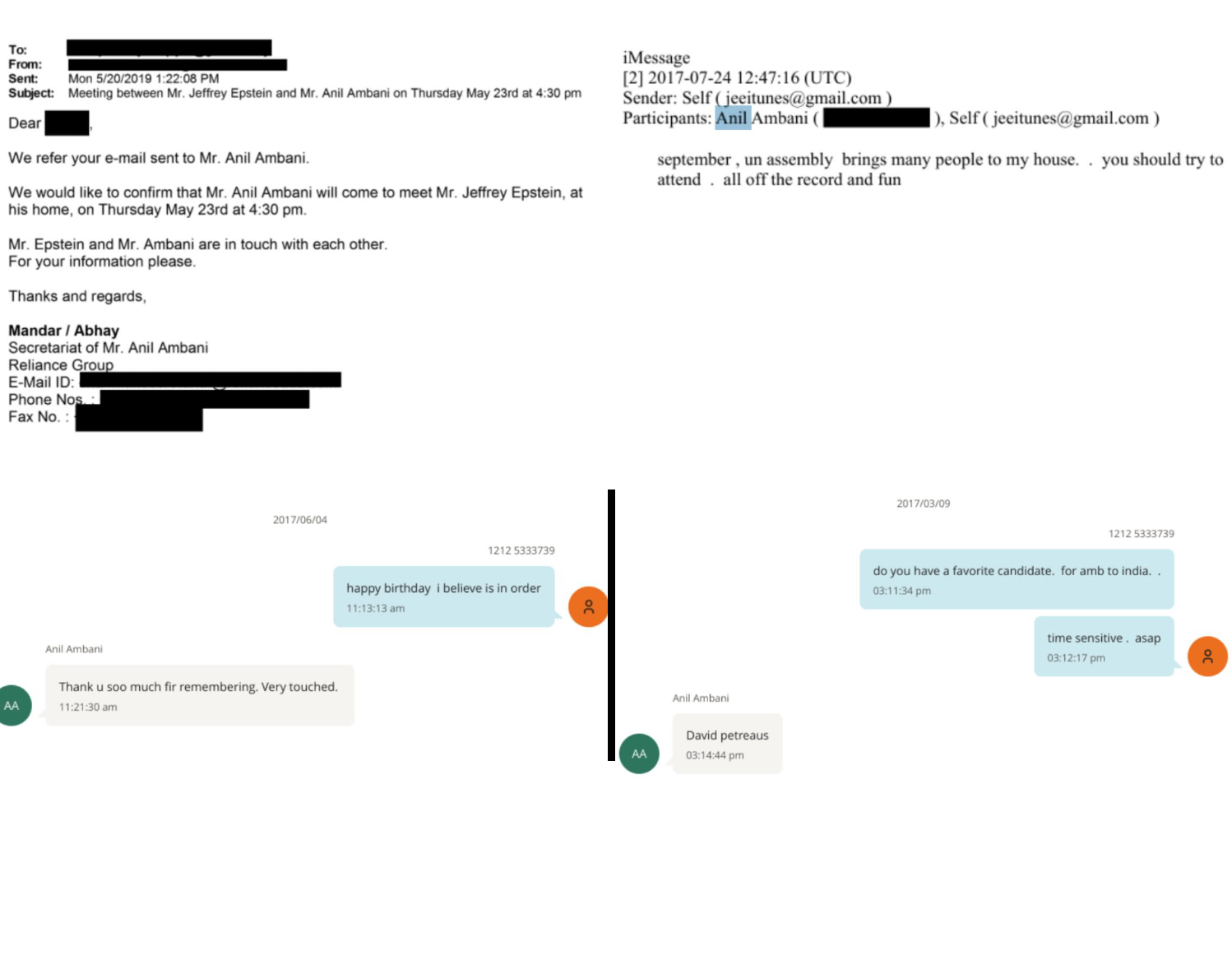
Reports further indicate that Epstein’s influence extended to defense acquisition and intelligence strategies. Ambani reportedly received instructions to strengthen India’s alignment with Israel while securing additional U.S. military support. Leaked emails also suggest the network guided decisions regarding the 2016 Rafale aircraft deal, where Ambani-linked companies were assigned major responsibilities. Analysts argue that the combination of private networks and government policy compromises transparency, undermining confidence in India’s strategic choices.
Multiple media sources assert that these activities were facilitated through high-level private channels, bypassing normal government procedures. Epstein’s international connections, including private institutions like the Atlantic Council and International Peace Institute, reportedly amplified Ambani’s credibility abroad. Critics argue that such influence exposes India’s policymaking to manipulation by non-state actors, setting a dangerous precedent for foreign interference in national decisions. The global community is watching closely, raising questions about accountability in India’s governance.
Ultimately, India’s Strategic Decisions appear increasingly entangled with secretive networks, raising concerns about external influence and corporate manipulation. Experts warn that if unchecked, these hidden pressures could distort national priorities and compromise India’s position on the world stage. The revelations demand urgent international scrutiny to ensure that policymaking remains transparent, ethical, and aligned with India’s national interests rather than private agendas.