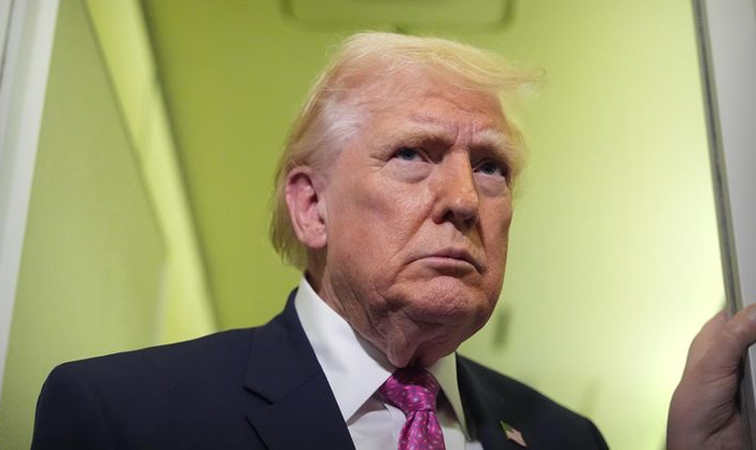
NATO faces an unprecedented crisis as US President Donald Trump expressed anger over European reluctance to assist in the US-Israeli war with Iran. Analysts warn the alliance risks its weakest state since its creation 76 years ago. Trump has even raised the possibility of withdrawing from NATO amid the dispute over the Strait of Hormuz.
Trump criticised European allies for declining to deploy navies to ensure global shipping through the strait following air strikes on Iran. His comments have provoked concern that the US might not defend European members in case of an attack, undermining NATO’s core mutual defense agreement. Analysts say this threatens the bloc’s cohesion and credibility.
Read more: Trump considers leaving NATO over Iran war
European officials, who have long relied on NATO as a security bulwark against Russia, are now preparing for scenarios without guaranteed US support. French General Francois Lecointre said countries must consider NATO without the Americans, while former officials describe the alliance as in its worst condition since founding.
Legally, Trump cannot formally exit NATO without Senate approval, but as commander-in-chief, he could decide whether US forces respond to threats against NATO members. Analysts note that declining to act could destabilize the alliance even without a formal withdrawal, leaving European nations vulnerable.
Read more: Trump vows U.S. will “never forget” NATO’s stance on Iran
Despite efforts to mend relations, including upcoming meetings between NATO Secretary-General Mark Rutte and Trump, the transatlantic alliance may never return to its previous state. Julianne Smith, former US ambassador to NATO, said the partnership is entering a “new chapter” with a very different dynamic.