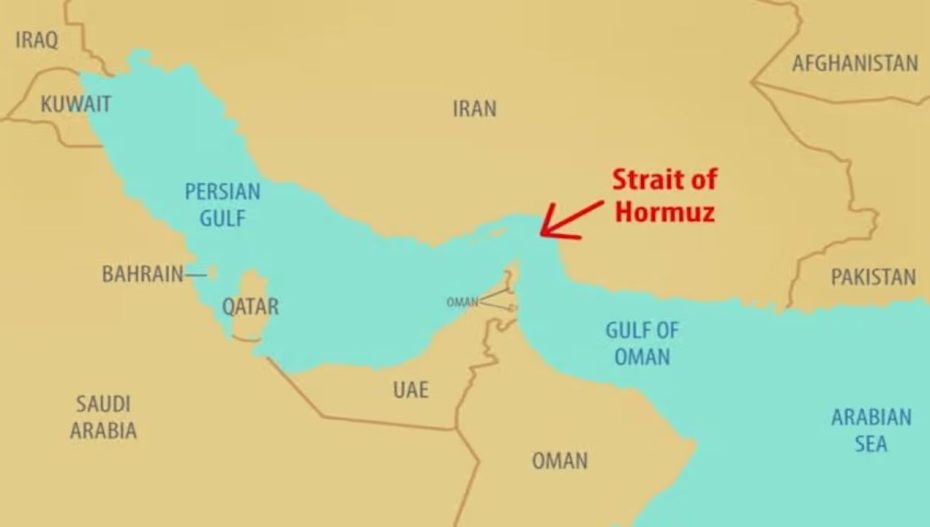
Global concern is mounting over disruptions in the Strait of Hormuz as tensions intensify between United States and Iran. Efforts by dozens of countries to restore the flow of energy shipments through the critical route have stalled amid escalating threats and ongoing conflict.
Read More: Gulf states seek UN mandate for force to protect Hormuz
US President Donald Trump warned of further military action, urging Iran to reach a deal “before it is too late.” His remarks followed recent strikes, including an attack on infrastructure near Tehran that reportedly caused casualties. Iranian officials condemned the strikes, vowing retaliation and rejecting the idea that such actions would force concessions.
The Strait of Hormuz, which handles nearly a fifth of global oil trade, has effectively been shut by Iran in response to ongoing US and allied attacks. Tehran has proposed new measures requiring ships to obtain permits for passage, a move criticised by international leaders who argue it violates established maritime norms.
Meanwhile, global oil markets have reacted sharply, with Brent crude prices rising above $108 per barrel. The surge has heightened concerns over inflation, supply chain disruptions and broader economic instability worldwide.
Diplomatic efforts remain inconclusive. A virtual meeting led by United Kingdom involving around 40 nations failed to produce a concrete plan, though participants reiterated the importance of maintaining freedom of navigation. European leaders, including Emmanuel Macron, stressed that any resolution must involve dialogue with Iran.
Iranian military officials have issued warnings of more extensive attacks, while reports suggest potential targets across the Gulf region. The conflict, now weeks old, continues to expand, affecting regional stability and global markets.
Read More: Hormuz disruption triggered fears of increase in global oil markets
As the situation unfolds, fears are growing that prolonged disruption in the Strait of Hormuz could trigger a wider economic crisis, with countries dependent on energy imports facing increasing pressure.