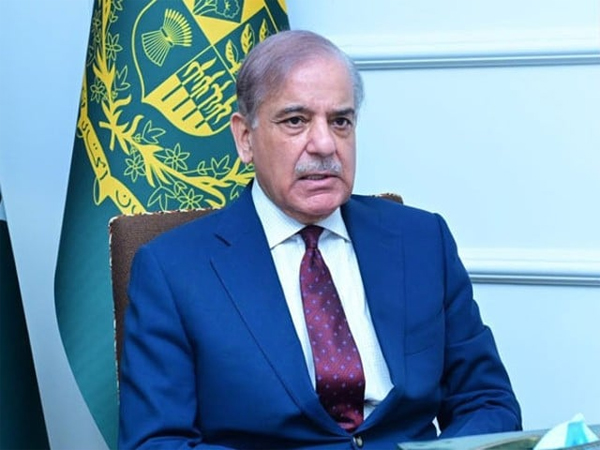
 Prime Minister Muhammad Shehbaz Sharif on Tuesday chaired a high-level meeting to review the petroleum products supply chain and assess ongoing austerity and conservation measures in view of the evolving regional situation, directing authorities to finalize proposals aimed at providing further relief to low-income segments of society.
The prime minister amid chairing the meeting here, instructed relevant ministries to submit final recommendations after consultation with the provinces to strengthen supply management and ensure continued public relief amid global uncertainties, a Prime Minister’s Office news release said.
Emphasizing strict enforcement, PM Shehbaz Sharif directed authorities to take tough action against petroleum smuggling and illegal hoarding to maintain market stability and protect consumers. He said the government had already taken significant steps over the past three weeks to support vulnerable groups and would continue its efforts to shield the poor from economic pressures.
The prime minister stated that through reductions in the development budget and implementation of austerity and savings measures, the federal government had provided relief amounting to Rs129 billion to the public by preventing an increase in petroleum prices. He added that timely government decisions ensured adequate availability of petroleum products to meet domestic requirements.
“Our foremost priority is to provide relief to the people,” the prime minister reiterated.
During the briefing, participants were informed that implementation of austerity measures was progressing steadily and that demand and supply of petroleum products across the country were being monitored regularly through a digital dashboard to ensure uninterrupted availability and transparency in the supply chain.
Amid rising fuel costs, the federal and provincial governments on Tuesday held a high-level meeting to devise a mechanism for targeted petroleum subsidies aimed at providing relief to vulnerable segments of society.
Chaired by Federal Minister for Finance Senator Muhammad Aurangzeb, the meeting was attended by the Chief Minister Punjab, Ms. Maryam Nawaz Sharif (virtually); Chief Minister Sindh, Syed Murad Ali Shah (virtually); Chief Minister Balochistan, Mir Sarfraz Ahmed Bugti; and the Finance Minister Khyber Pakhtunkhwa, Muzzammil Aslam (virtually).
The finance minister underscored the importance of collaborative decision-making and maintaining close coordination between the Federation and the provinces.
The forum held a comprehensive discussion on the transition from generalized subsidy mechanisms towards more targeted and efficient support frameworks. Various proposals and perspectives were shared by the provincial governments, reflecting their respective administrative capacities, data availability, and socioeconomic considerations.
Participants deliberated on different approaches to ensuring that any support measures are directed towards vulnerable segments of society while maintaining fiscal prudence and minimizing market distortions.
The discussion also covered potential mechanisms for subsidy delivery, including the use of existing databases, digital platforms, and cash transfer systems.
The meeting further emphasized the importance of transparency, accountability, and effective governance structures in the design and implementation of any future subsidy arrangements. The need for a coordinated national approach, alongside flexibility for provincial execution, was also highlighted during the deliberations.
It was agreed that a working framework outlining the broad contours of a possible targeted subsidy mechanism will be developed and shared with all stakeholders for further input. The provinces will continue to refine their proposals in light of the discussions, with a view to reaching a consensus-based and practical solution.