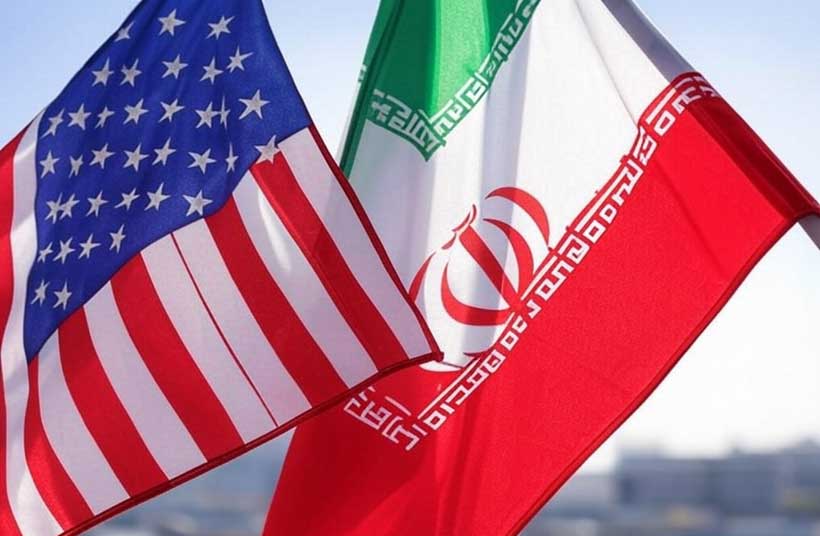
A heated on-air exchange between Senator Mushahid Hussain and former Israeli national security adviser Yakov Amidror has underscored deep divisions over the ongoing war involving Iran, with sharply contrasting views on its trajectory and outcome.
Read More: Turkey issues stern warning against civil war in Iran
The clash took place during a televised debate on Al Arabiya English, where participants discussed competing narratives surrounding the conflict, which began after strikes by the United States and Israel on Iran on February 28.
Former Israeli National Security Advisor Yaakov Amidror explains whether air power can decisively weaken Iran during the ongoing war.#IranWar #Israel pic.twitter.com/EMmrhJlDZh
— Al Arabiya English (@AlArabiya_Eng) March 28, 2026
Amidror defended Israel’s military campaign, stating that operations were progressing as planned and had significantly weakened Iran’s capabilities. He dismissed concerns about dwindling defensive resources and said Israel could sustain its military efforts for weeks. He also maintained that the country’s air defence systems were performing effectively, claiming high interception rates against incoming threats.
However, he acknowledged that many interceptions were carried out by the Arrow-3 system rather than the widely known Iron Dome, highlighting the layered nature of Israel’s defence network.
In contrast, Mushahid Hussain argued that Iran had demonstrated resilience and strategic strength, particularly through its influence over the Strait of Hormuz. He claimed the conflict was part of a broader geopolitical agenda and asserted that both Washington and Tel Aviv had miscalculated the situation.
According to Mushahid, Iran has managed to maintain pressure by disrupting key energy routes, challenging assumptions about the balance of power. He also suggested that the United States, led by Donald Trump, may now be seeking a negotiated settlement after failing to achieve its objectives quickly.
Read More: US lawmakers divided over Iran strikes, spark war powers debate
The debate also featured US analyst Brandon Weichert, who warned the conflict could evolve into a prolonged war of attrition with significant economic and political costs. The exchange reflects ongoing global uncertainty over the conflict’s direction and outcome.