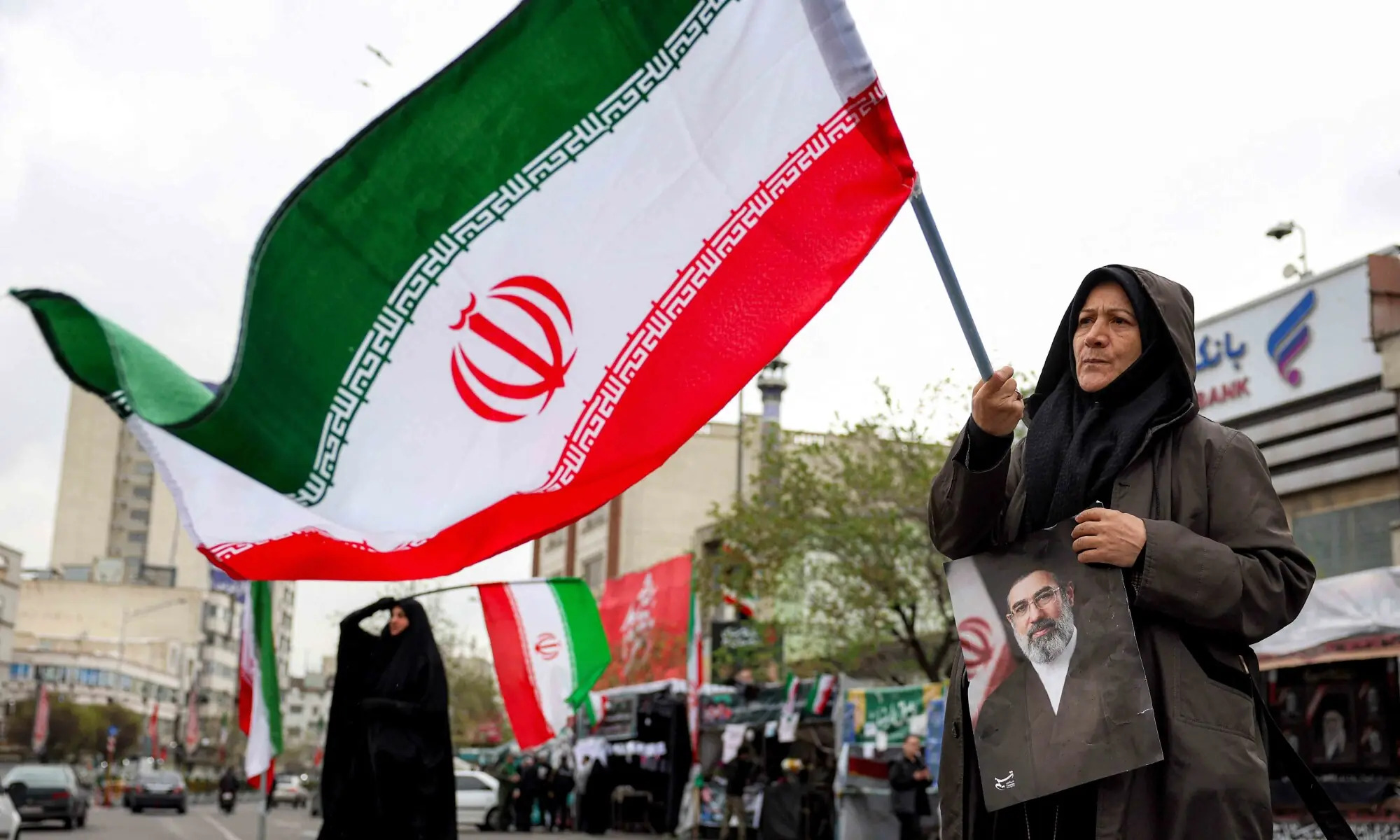
Iran has rejected a US proposal to end the ongoing conflict, setting five conditions for a ceasefire. The move signals continued tensions and uncertainty in the region. The decision affects Middle East stability, global energy markets, and diplomatic efforts.
According to state media, Tehran responded negatively to the proposal conveyed by the United States. Officials said Iran will not allow Donald Trump to dictate the timeline for ending the war. They stressed that any ceasefire would depend solely on Iran’s own terms.
Read more: US peace plan reaches Iran via Pakistan
The development follows reports that Pakistan and Türkiye are acting as intermediaries to facilitate dialogue. However, Iranian officials described US proposals as unrealistic and disconnected from battlefield developments. They also reiterated their commitment to continue defensive operations until demands are met.
Iran outlined five key conditions for ending the conflict, including a complete halt to aggression and guaranteed war reparations. It also demanded mechanisms to prevent future conflict and recognition of its authority over the Strait of Hormuz. Officials said the war must end across all fronts involving allied groups.
Read more: Iran denies any direct or indirect US talks
Meanwhile, Washington continues to push for negotiations despite Iran’s firm stance. US officials have expressed optimism about reaching a resolution, though details remain unclear. Analysts say the situation remains fluid, with diplomacy and military pressure shaping the next phase of the crisis.