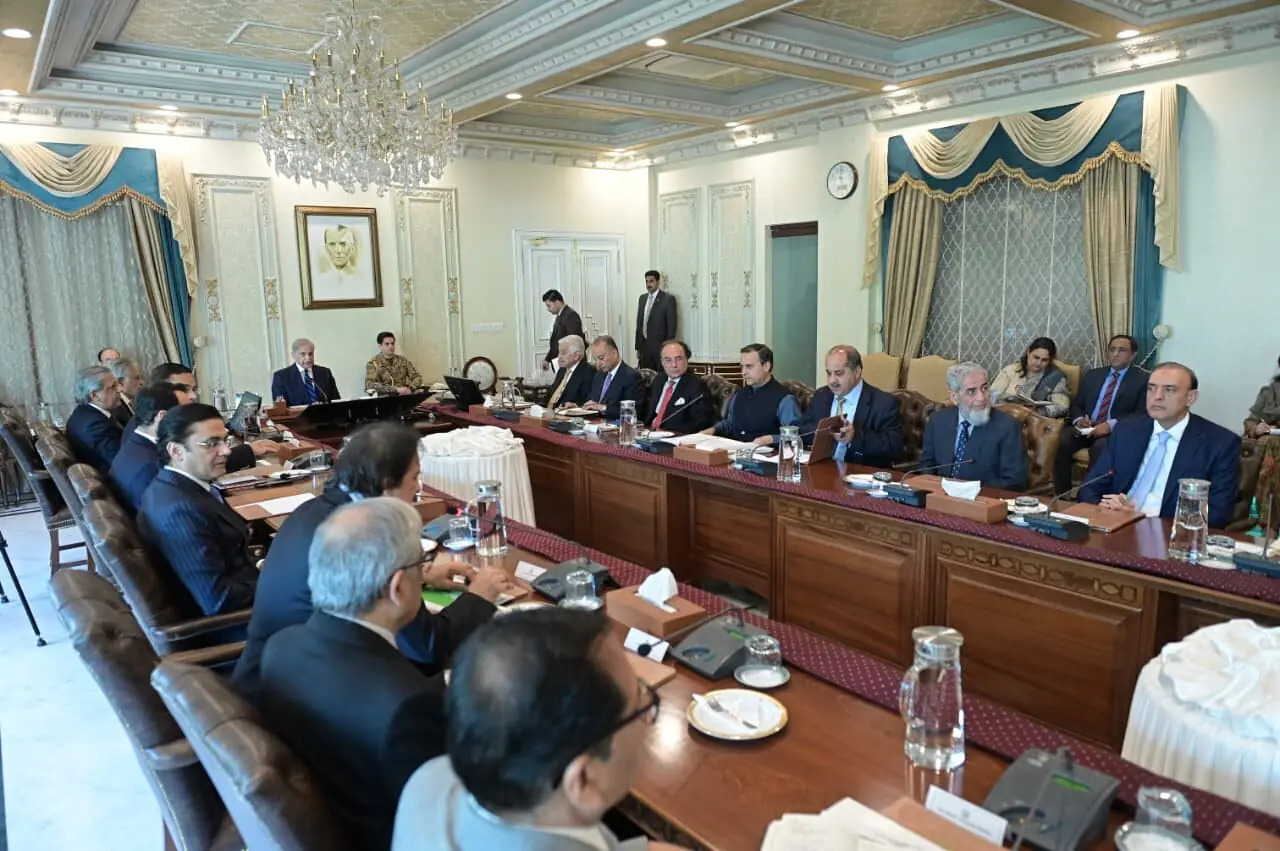
Prime Minister Muhammad Shehbaz Sharif on Wednesday ordered authorities to accelerate the export of surplus food items to Gulf countries while ensuring domestic supply.
He also called for expanding flight operations and improving port efficiency amid the evolving regional situation. The directives aim to strengthen Pakistan’s trade ties and meet Gulf nations’ urgent food requirements.
The premier chaired a high-level meeting in Islamabad to review food exports and maritime operations. Officials briefed him that a special committee had approved 40 food items for export, including rice, edible oil, sugar, meat, poultry, dairy products, fruits, and vegetables. Both sea and air routes will be used, with no extra charges for key items.
Read more: PM Shehbaz, Bilawal discuss rising regional tensions
A database of Gulf-focused exporters has been prepared, and departments have coordinated business-to-business meetings and webinars to enhance trade.
Ports such as Karachi and Port Qasim remained fully operational even during the Eidul Fitr holidays, while amendments to customs rules now allow transshipment at off-dock terminals.
اسلام آباد: 25 مارچ 2026
وزیراعظم محمد شہباز شریف کی زیر صدارت موجودہ علاقائی صورتحال کے تناظر میں خلیجی ریاستوں کو اشیائے خورونوش کی فراہمی اور پاکستان کی بندرگاہوں اور میری ٹائم آپریشنز کے حوالے سے اہم جائزہ اجلاس آج اسلام آباد میں منعقد ہوا.
وزیراعظم نے خلیجی ممالک کو… pic.twitter.com/khi5fnAwLs
— Prime Minister’s Office (@PakPMO) March 25, 2026
The prime minister emphasized that domestic food supply monitoring must continue, warning that delays in decision-making would be unacceptable. He directed that transport charges at ports be reduced by up to 60% and that oil tankers carrying crude receive priority berthing. Authorities were asked to maintain close coordination with Gulf countries on food security needs.
Read more: US-Iran mediation efforts put Islamabad in spotlight
Shehbaz expressed satisfaction with the progress made, noting that all departments should expedite efforts to export surplus food without affecting Pakistan’s nutritional needs. The strategy reflects a proactive approach to regional trade and food security during disruptions in global supply lines.