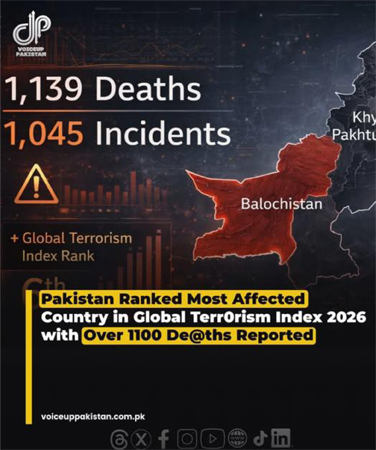
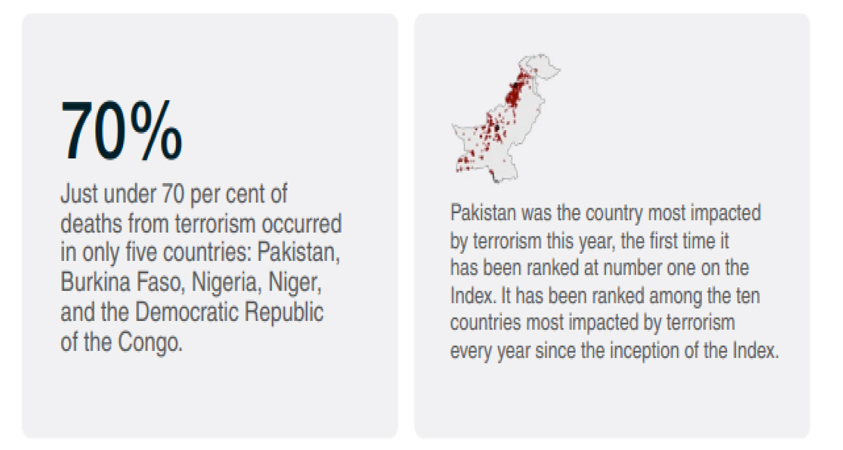
 The release of the Global Terrorism Index (GTI) 2026 marks a somber milestone for Pakistan. For the first time, the country has been ranked as the most impacted nation globally by terrorism. While historical detractors have often attempted to frame Pakistan through the lens of a source of instability, the 2026 data provide an empirical, undeniable rebuttal. It confirms that Pakistan is not the perpetrator, but rather the primary victim and the ultimate frontline state in the global war against extremist violence.
Ranking at the Top
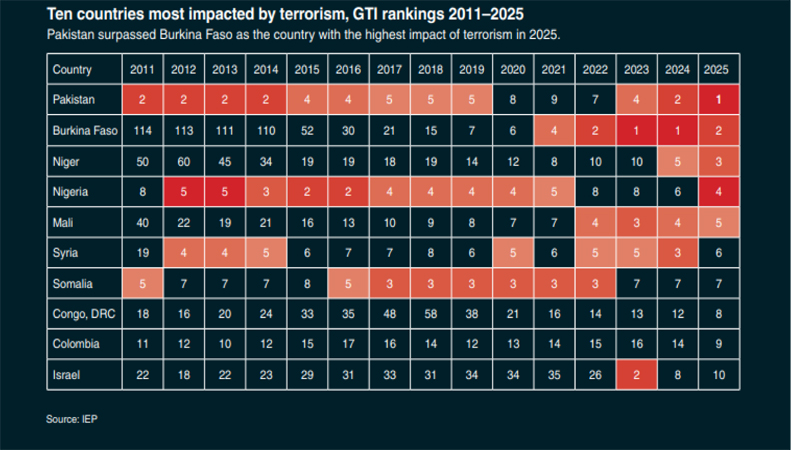
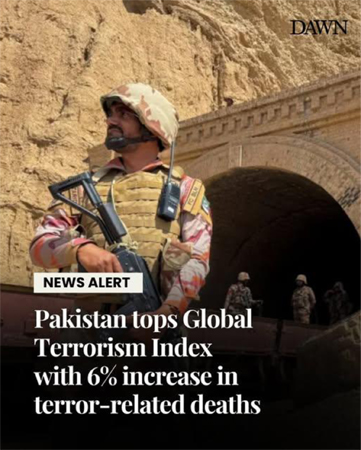
The most striking revelation of the GTI 2026 is Pakistan’s position at the apex of the index. This ranking serves as a global validation of a long-held national stance: “If Pakistan were enabling terrorism, it would not be its most significant victim.”
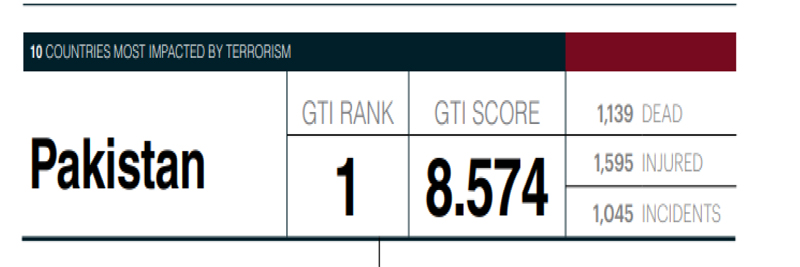
The scale of impact, measured by deaths, injuries, and property damage, exposes the massive human and economic toll the state continues to endure. Being the most impacted country signifies a systemic onslaught against Pakistan’s sovereignty and its citizens. This is not the profile of a state that sponsors terror; it is the profile of a state that is under siege by it.
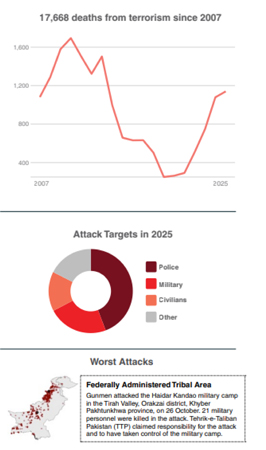
A Structured Resurgence
The data highlights a terrifying trajectory: Pakistan has seen a six-fold (6x) increase in terrorist incidents since 2020. This is not a series of random, isolated acts of violence or a minor spike in criminal activity. Rather, it represents a structured resurgence and a deliberate reactivation of terrorist networks that had been previously dismantled by Pakistan’s exhaustive counter-terrorism operations.
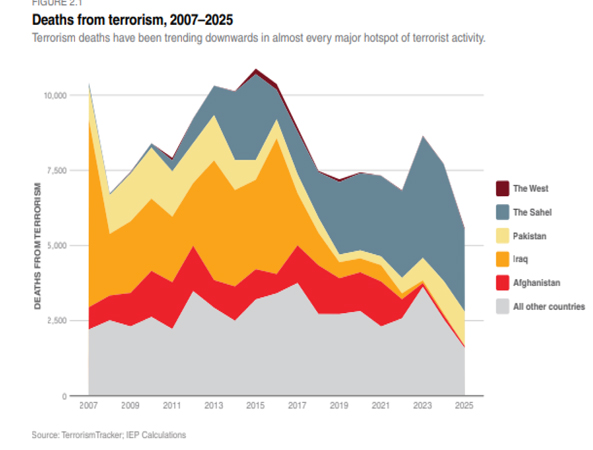
This escalation is particularly alarming when contrasted with global trends. While many regions worldwide are seeing a decline in terrorist activity, Pakistan is facing a localized perfect storm of violence. This divergence proves that Pakistan is contending with a specific, intensified threat environment that the rest of the world is largely managing to avoid.
The Afghan Nexus: A Border-Driven Crisis
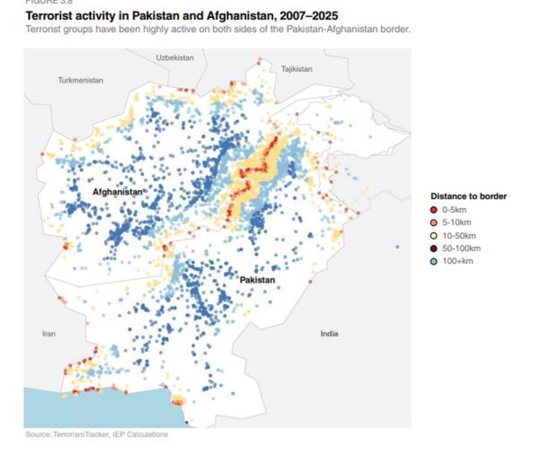
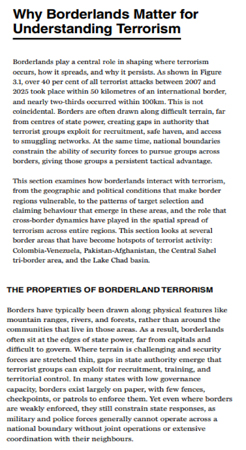
A central theme of the GTI 2026 is the direct correlation between the security vacuum in the region and the surge in violence within Pakistan. The report explicitly links the resurgence of terror to post-2021 developments in Afghanistan.
Since the shift in the Afghan administration, terrorist groups have secured:
* Operational Depth: Greater space to plan and train.
* Increased Mobility: Freedom to move across porous borders.
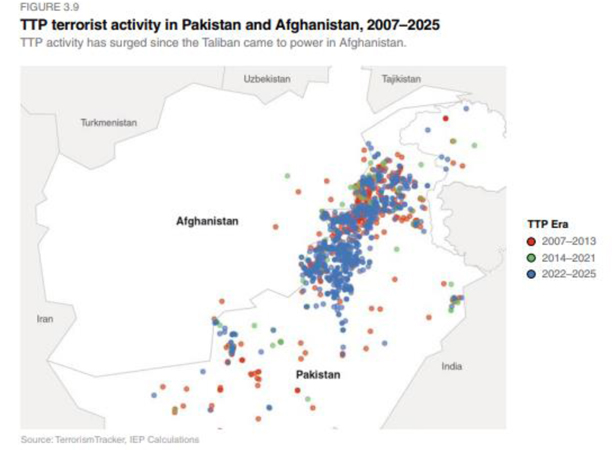
* Safe Havens: Terrorist sanctuaries that remain out of the reach of Pakistani law enforcement.
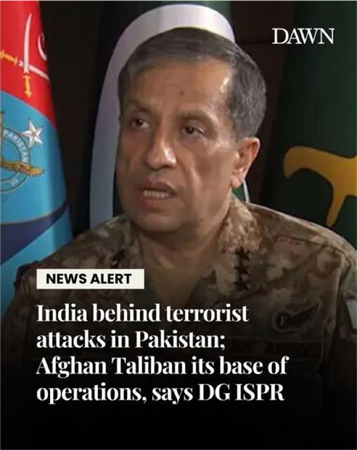
The GTI identifies borderlands as the core drivers of global terrorism today. For Pakistan, this means the root of the problem lies across the border-not within its own cities. The “Cross-Border Terror Reality” confirms that Pakistan’s struggle is inextricably tied to the instability of its neighbor.
TTP & the Dual Threat Environment
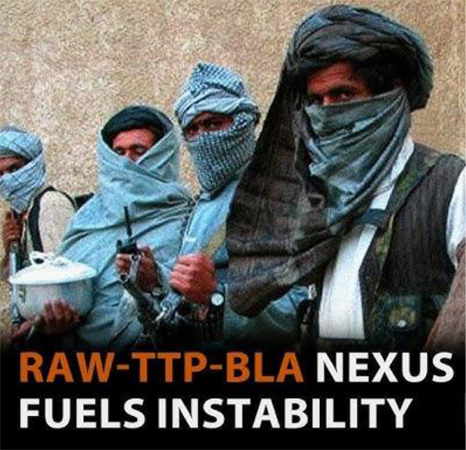
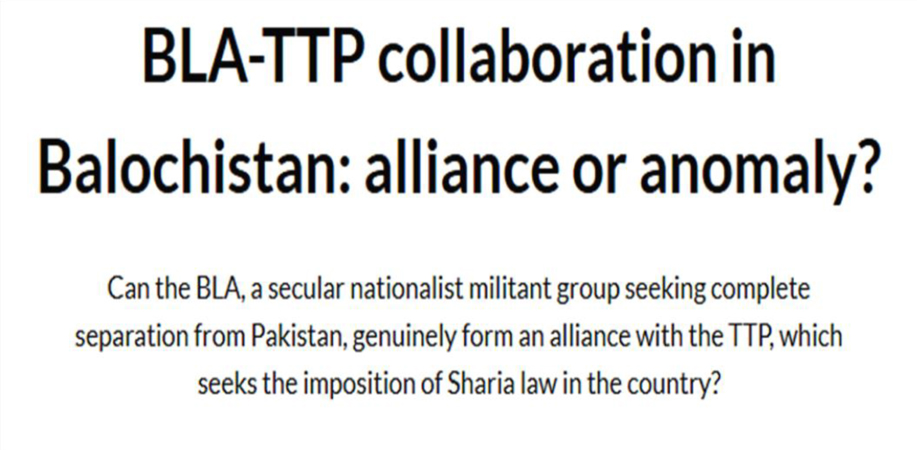
While global groups like ISIS may be seeing shifts in their influence, the Tehreek-i-Taliban Pakistan (TTP) and its affiliates are bucking the trend. The GTI 2026 identifies the TTP as one of the few groups globally that is expanding in both reach and lethality.
Pakistan currently navigates a complex Dual Threat Environment:
*Religious Terrorism: Driven by the TTP and FAK, seeking to destabilize the state’s ideological and governance structures.
*Separatist Terrorism: Driven by groups like the BLA and FAH, targeting infrastructure and development projects, often fueled by external regional interests
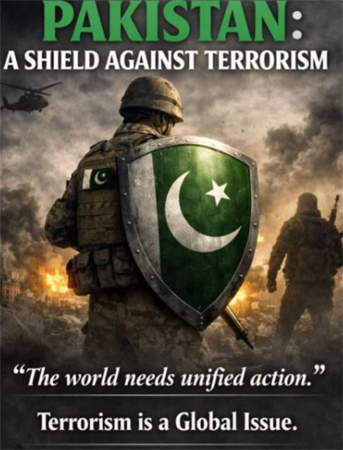
This pincer movement of violence requires Pakistan to divert immense resources-both human and financial-to maintain internal security, further proving its role as the world’s most stressed frontline state.
The Global Context
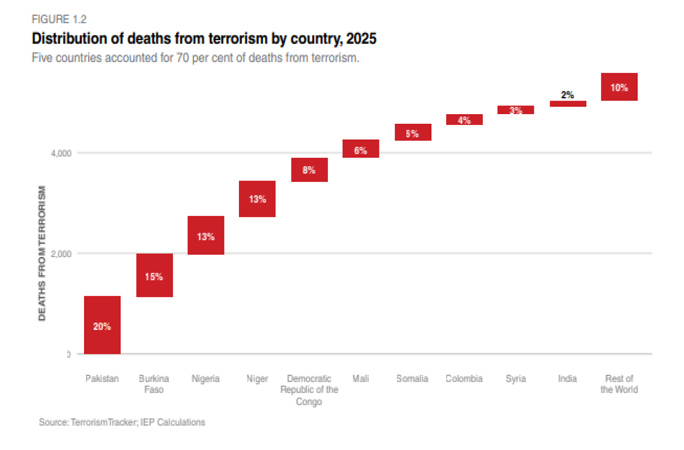
The 2026 report places Pakistan in a grim elite category. 70% of all global deaths from terrorism are now concentrated in just five countries.
Pakistan’s inclusion at the top of this list underscores the gravity of the situation. While the world may feel safer in some corridors, the burden of global security is being disproportionately carried by Pakistan.
A Call for Global Recognition
The GTI 2026 is not merely a statistical document; it is a global testament to Pakistan’s resilience. The narrative is clear: Pakistan is facing an externally enabled, border-driven, and highly structured terrorist onslaught.
To ignore the findings of this report is to ignore the reality of a nation that has sacrificed more than any other in the fight against global extremism. The world must recognize that a stable Pakistan is essential for a stable region, and that this is, in reality, a Cross Border Problem that the international community can no longer afford to overlook.