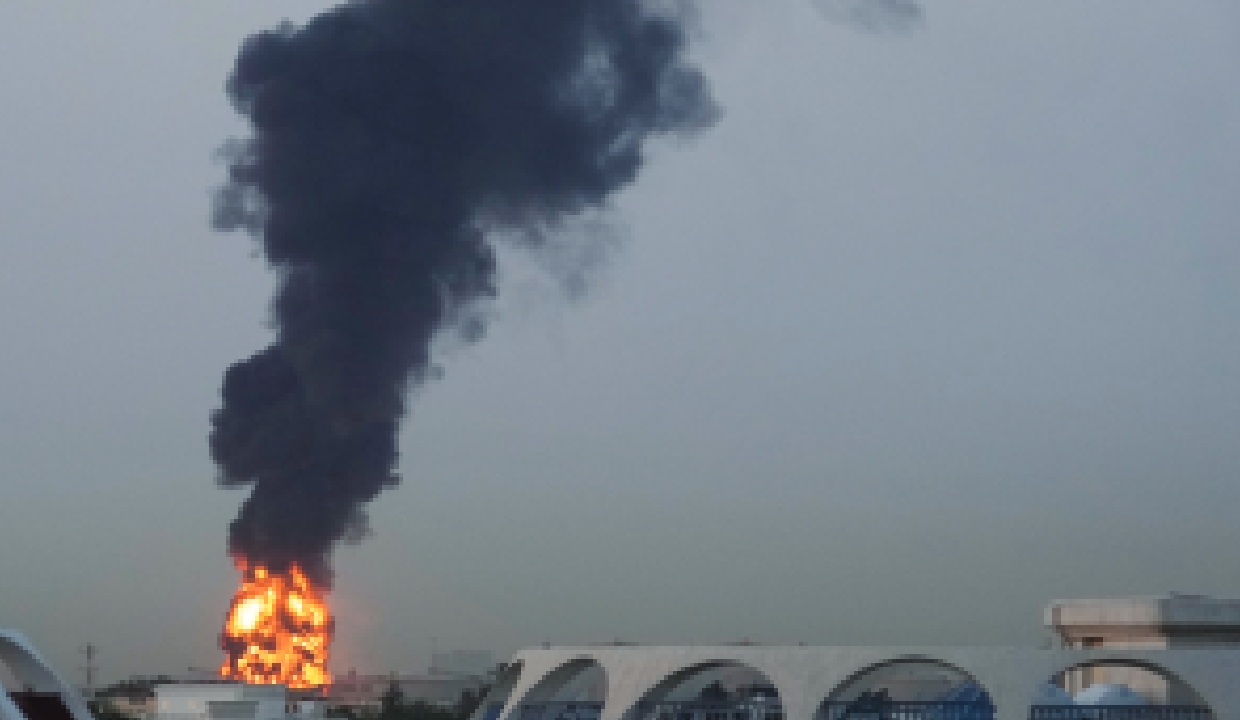
Global concerns over an escalating energy crisis intensified as the ongoing conflict involving Israel and Iran entered its fourth week, with warnings that the situation could surpass the combined impact of the 1970s oil shocks.
Read More: Pakistan cancels March 23 parade amid energy crisis
The head of the International Energy Agency, Fatih Birol, cautioned that the world is already losing more oil supply daily than during previous historic crises. He described the current situation as a combination of “two oil crises and one gas shock,” warning that no country would remain unaffected if the conflict continues.
Middle East war threatens energy crisis worse than 1970s oil shockshttps://t.co/tPLzvoxgGp
— Economic Times (@EconomicTimes) March 23, 2026
Tensions escalated further after Donald Trump issued a 48-hour ultimatum demanding Iran reopen the Strait of Hormuz, a key route handling about one-fifth of global oil trade. Tehran has restricted traffic through the waterway in response to US and Israeli strikes, while also targeting energy infrastructure and launching missile and drone attacks.
Iran’s parliament speaker Mohammad Bagher Ghalibaf warned that vital regional infrastructure could be “irreversibly destroyed” if further attacks occur. Meanwhile, oil prices have surged above $100 per barrel amid fears of supply disruptions, and stock markets have come under pressure globally.
According to the IEA, at least 40 major energy assets across the region have already been severely damaged, highlighting the scale of the crisis. The conflict has also disrupted supply chains beyond the Middle East, with countries reporting shortages of key energy products.
Read More: Pakistan’s Energy Lifeline Runs Through a War Zone
As diplomatic tensions rise, China has warned that continued escalation could lead to an “uncontrollable situation.” Analysts stress that without urgent de-escalation, the conflict risks triggering a prolonged global energy shock with far-reaching economic consequences.