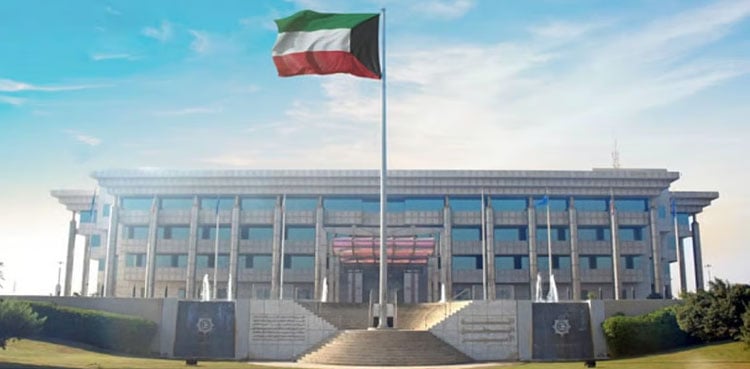
Kuwait has introduced new workplace regulations for government employees following Eid ul Fitr 2026, significantly reducing office attendance and working hours.
The directive, issued by the Civil Service Commission (CSC), mandates that no more than 30 percent of employees be physically present in government offices at any given time. The policy aims to provide greater flexibility while ensuring continuity of public services.
Read More: PM discusses evolving Mideast situation with Kuwait, Oman leaders
Under the new guidelines, government departments are required to implement rotation systems, allowing employees to alternate between in-office and remote work. Authorities said departments can organise staffing schedules on a daily or weekly basis, depending on operational needs.
#Kuwait‘s Civil Service Commission: Government institutions will continue operating with no more than 30 percent of employees present at workplaces after the end of Ramadan & Eid Al-Fitr’s holiday until further notice.@Csc_Kwhttps://t.co/Fvgr1t1VM4#KUNA pic.twitter.com/sK9QFF92QM
— Kuwait News Agency – English Feed (@kuna_en) March 18, 2026
The CSC also confirmed that official working hours will be reduced to six hours per day. Existing policies such as grace periods, flexible schedules, and attendance tracking systems — including fingerprint-based check-ins — will remain unchanged.
In addition, evening shifts have been suspended until further notice. However, positions that legally require shift-based work will continue to operate under existing regulations to maintain essential services.
For employees already working under reduced-hour arrangements due to special provisions, the new directive further shortens their working day to four hours, offering additional flexibility.
Read More: Gulf countries call for Shawwal moon sighting for Eid 2026
Officials said the measures will take effect immediately after the Eid holiday and will remain in force until further notice. The step is seen as part of broader administrative adjustments aimed at improving work-life balance and adapting to evolving workplace practices.
The policy reflects Kuwait’s ongoing efforts to modernise its public sector operations while ensuring efficiency and employee well-being in the post-holiday period.