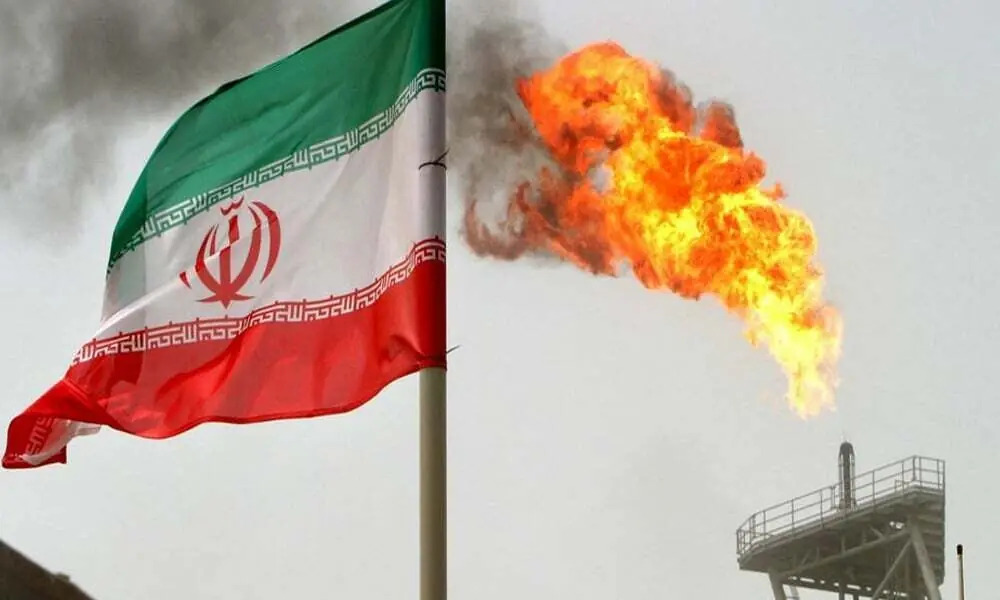
Iran’s massive Pars gas field was hit on Wednesday, marking a major escalation in the ongoing U.S.-Israeli war. The strikes targeted Iranian energy infrastructure, prompting Tehran to warn neighboring countries to evacuate key installations. The attack affects global energy security and heightens tensions across the Gulf region.
Pars, the Iranian sector of the world’s largest shared gas deposit with Qatar, suffered damage to gas tanks and parts of a refinery. Workers were evacuated, and emergency crews worked to control the resulting fires. Reports suggest Israel carried out the attack with U.S. consent, though Israeli officials have not confirmed details.
Read more: Iran’s system remains resilient despite leader assassinations: Araghchi
Iran’s Revolutionary Guards instructed Saudi Arabia, the UAE, and Qatar to evacuate several energy facilities following the strikes. Tehran retaliated with missile attacks on Israeli cities, including Tel Aviv, Haifa, and Beersheba, and on U.S. bases in Bahrain, Iraq, Jordan, Kuwait, Saudi Arabia, and the UAE. This tit-for-tat has intensified the regional conflict.
Israel also killed Iran’s intelligence minister Esmail Khatib, following the deaths of senior Iranian figures Ali Larijani and Basij commander Gholamreza Soleimani. Israeli Defense Minister Israel Katz said all senior Iranian officials are “in the crosshairs,” signaling a more aggressive military stance. Meanwhile, strikes in central Beirut destroyed buildings linked to Hezbollah, killing civilians and sparking international concern.
Read more: US no longer needs help from allies on Iran, says Trump
The attacks have triggered a surge in global energy prices and worsened humanitarian crises. Thousands have been killed in Iran, Lebanon, and across the Gulf, with hundreds of thousands displaced. Analysts warn that continued escalation threatens global oil supplies and regional stability.