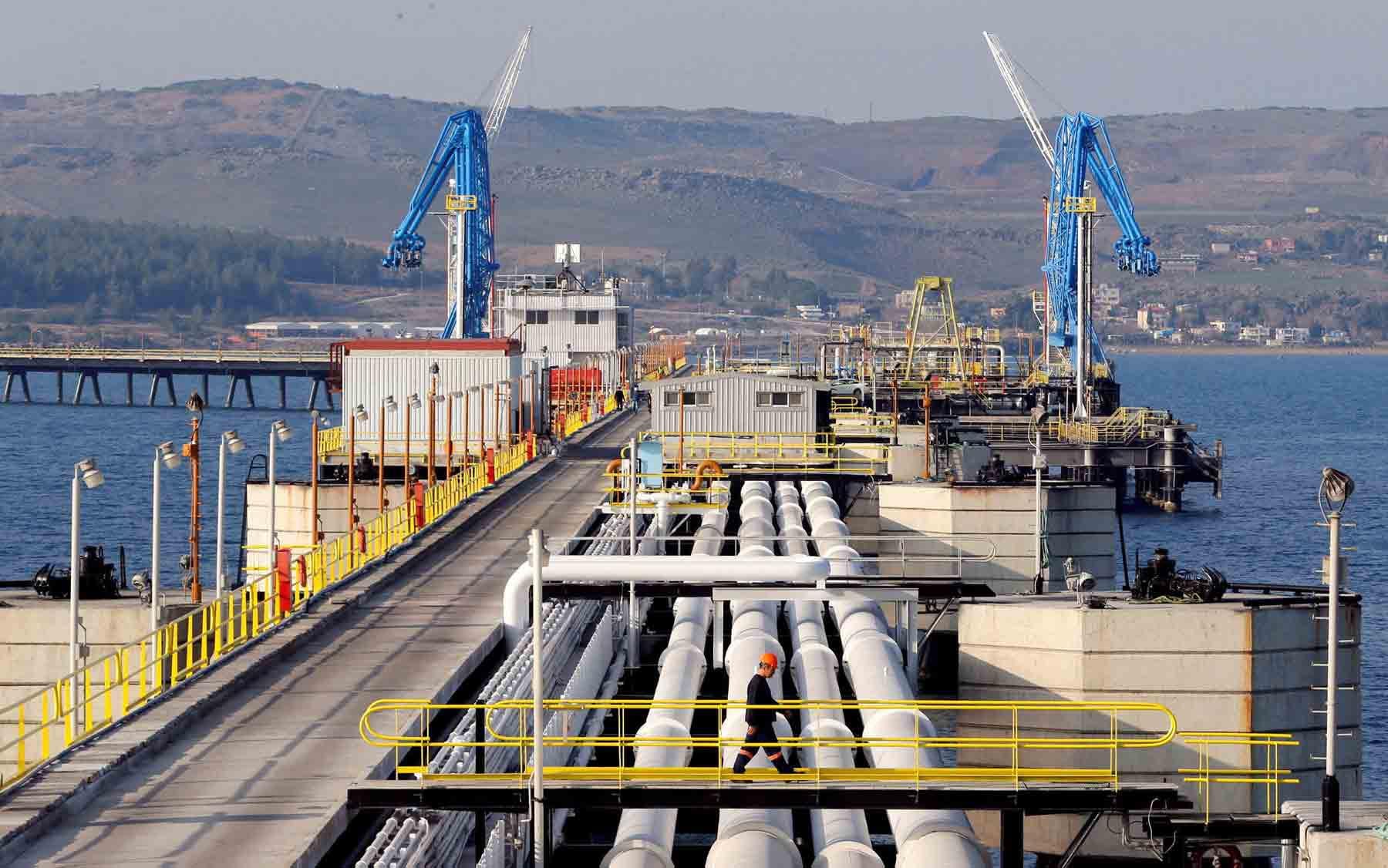
The Iraqi federal government and the Kurdistan Regional Government have reached an agreement to resume oil exports via Ceyhan port starting Wednesday, following weeks of halted shipments due to regional tensions and security concerns. Oil flow is expected to commence at 10 a.m. local time, restoring a critical export route.
A joint committee will be formed to prepare for the resumption of exports, with all revenues to be returned to Iraq’s federal treasury. The KRG also confirmed that necessary security measures will be implemented to protect pipelines, oilfields, and ensure uninterrupted operations during the restart of flows.
Read more : Six US service members killed in plane crash over Iraq –
Masrour Barzani stated that crude exports would resume at the earliest opportunity given the exceptional circumstances confronting Iraq. He emphasized ongoing discussions with Baghdad to lift trade restrictions and provide guarantees for oil and gas companies to operate safely amid regional instability.
The agreement follows mounting tensions between Baghdad and the KRG, which had previously disputed federal oversight and rejected accusations of obstructing oil exports. Baghdad had sought alternative routes for crude shipments disrupted by the Iran conflict, while the KRG raised concerns over security, economic stability, and federal attempts to control trade and customs electronically.
Read more : All six US crew members killed after aircraft downed in western Iraq
Iraq’s parliament issued a seven-point decision emphasizing federal authority over oil production, transport, and distribution. It also called for rehabilitating the Kirkuk-to-Ceyhan pipeline, supplying fuel to refineries, and taking all measures necessary to support the resumption of crude exports and prevent further economic damage.
Oil production in Iraq’s southern fields has plummeted by 70 percent, reaching just 1.3 million barrels per day, largely due to disruptions in the Strait of Hormuz. Resuming exports through the Ceyhan pipeline is expected to alleviate pressure on the Iraqi economy and restore a vital lifeline for global oil markets.