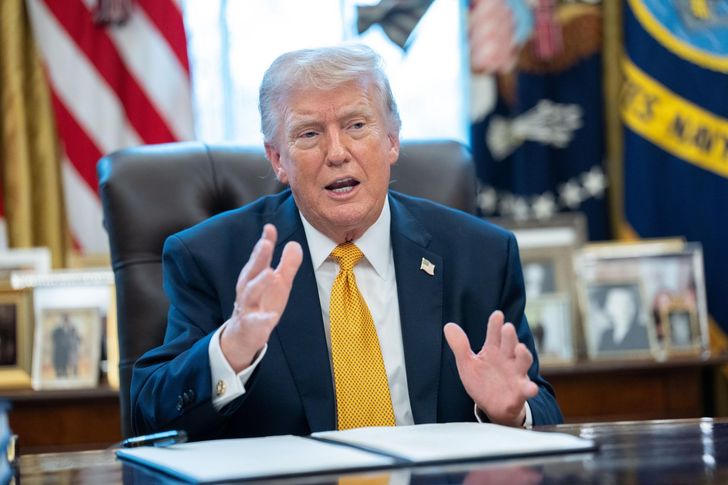
U.S. President Donald Trump announced Tuesday that Washington no longer requires NATO allies, South Korea, Japan, or Australia to secure the Strait of Hormuz. Trump cited “military success” in ongoing operations against Iran as the reason for his statement. The Strait of Hormuz, a critical global shipping route, carries roughly 20 percent of the world’s oil supply, making its reopening vital for energy markets.
Trump made the declaration in a social media post after urging allies to assist in reopening the strait, which remains effectively blocked due to the U.S.-Israel-Iran conflict. The president emphasized that the United States is “the most powerful country anywhere in the world” and claimed that allied assistance was never needed. Analysts note that the remarks could further strain U.S.-allied relations amid the escalating Middle East conflict.
Read more: Western allies snub Trump’s call to help reopen Hormuz
The Strait of Hormuz has become a focal point in the war, with Iran using it as leverage after U.S. and Israeli strikes on Iranian territory. U.S. naval and air forces have conducted operations to maintain freedom of navigation, but the strait’s closure has disrupted global energy supply chains and driven oil prices higher.
Trump’s comments diverge from prior U.S. policy, which emphasized multinational cooperation to protect international shipping lanes. European and Asian allies have expressed caution about committing forces to a conflict they did not initiate, raising concerns about broader security coordination in the region.
Read more: Trump criticizes allies over Strait of Hormuz, urges global help
Energy markets and global stakeholders continue monitoring the situation closely, as any escalation or prolonged blockade could exacerbate supply disruptions. Observers say diplomatic and military strategies will both be critical to ensuring stability in the Gulf and securing energy exports.