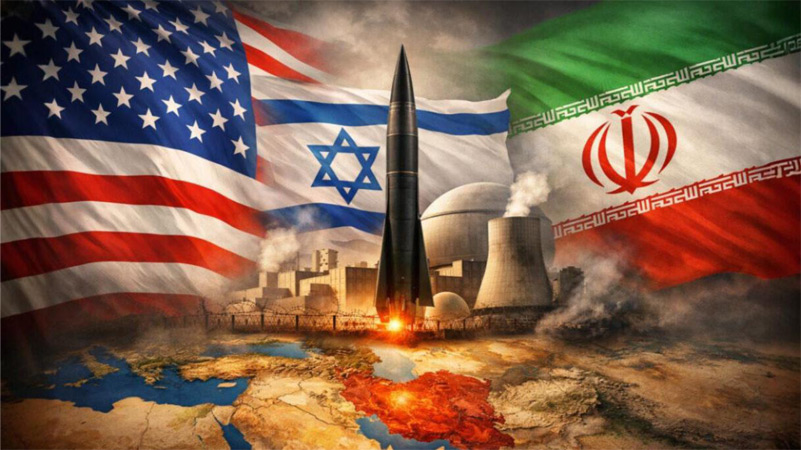
The Middle East stands on the brink of a catastrophic regional war as the inhuman military campaign by the United States and Israel (Occupied Palestine) against the Islamic Republic of Iran intensifies. What began on February 28, 2026, as a purported targeted operation has rapidly devolved into a systematic assault on civilian life and critical infrastructure. The global community is witnessing not just a military conflict, but a profound humanitarian crisis and a reshuffling of geopolitical loyalties that exposes the stark contrast between principled diplomacy and cynical opportunism.
The Anatomy of Aggression: Human Rights and Infrastructure Under Fire
The recent wave of US-Israeli strikes has left a trail of devastation that defies the rhetoric of surgical precision. The most harrowing instance of these atrocities occurred in the southern Iranian city of Minab, where a missile strike on a girls’ primary school on February 28 reportedly killed over 165 schoolgirls.
UN experts have rightfully condemned this as a “grave assault on the future,” yet the bombardment of educational and medical facilities continues unabated.
Reports indicate that at least ten medical centers in Iran have been damaged, further crippling a healthcare system already reeling from the assassination of senior leadership, including Supreme Leader Ayatollah Ali Khamenei.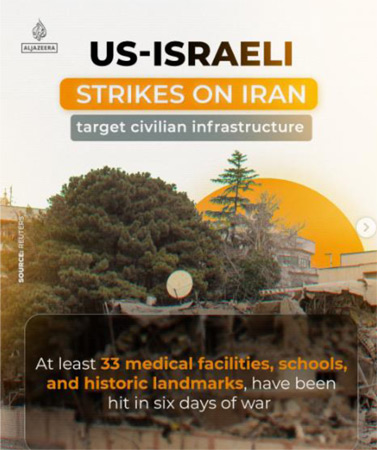
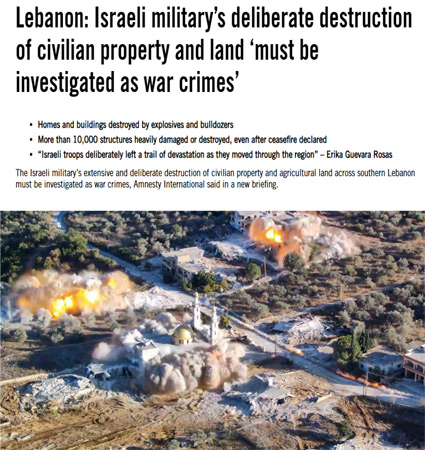
In Gaza and Lebanon, the carnage is equally relentless.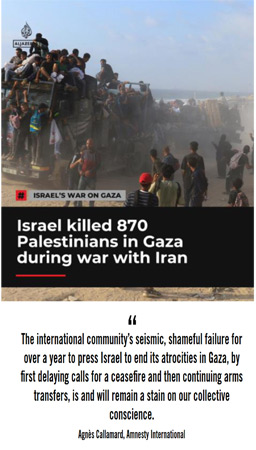
The death toll in Gaza has crossed a staggering 72,000, while in Lebanon, Israeli airstrikes have killed over 700 people in less than two times, displacing hundreds of thousands.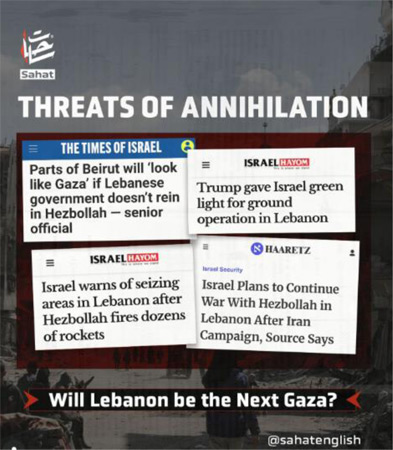
The indiscriminate nature of these attacks, targeting residential neighborhoods in Beirut and essential water pipelines in Nablus, underscores a total disregard for international humanitarian law.
Parallel to the human cost is the calculated destruction of critical infrastructure. US and Israeli forces have repeatedly targeted Iran’s energy heartland, including strikes on military targets near Kharg Island, Iran’s primary oil export terminal.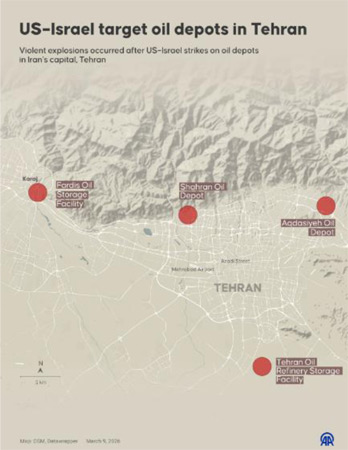
Attacks on oil fields and refineries are not merely military maneuvers; they are environmental and economic haphazard.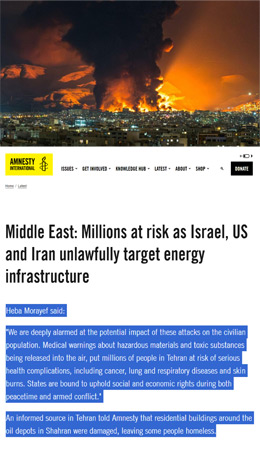
The disruption of these facilities has sent shockwaves through global energy markets, with oil prices threatening to surge toward $200 per barrel.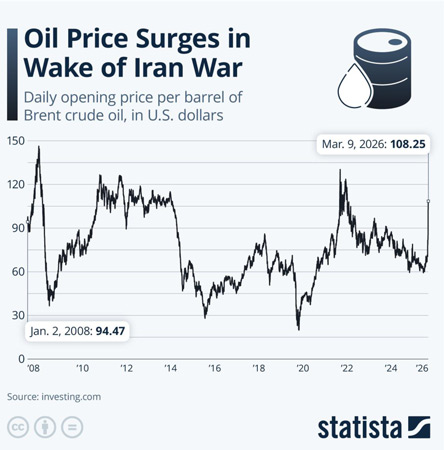
By targeting the lifeblood of the Iranian economy, the US-Israeli alliance is effectively waging a war of attrition against the civilian population, risking a global energy shock that will hit the world’s most vulnerable nations the hardest.
Pakistan’s Principled Stand of the Peacemaker
Amidst this chaos, the Islamic Republic of Pakistan has emerged as a beacon of strategic clarity and diplomatic maturity. Pakistan’s response has been twofold: an unwavering condemnation of aggression and an active pursuit of regional stability.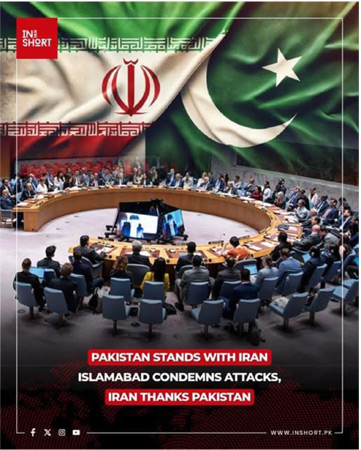
Prime Minister Shehbaz Sharif and the Chief of Defense Forces, Field Marshal Syed Asim Munir, have engaged in high-stakes “shuttle diplomacy.” Their recent emergency visit to Riyadh to meet with Crown Prince Mohammad bin Salman underscores Pakistan’s unique role.
As a defense ally of Saudi Arabia with a shared 900km border with Iran, Pakistan is the only nation capable of bridging the chasm between the Gulf monarchies and Tehran.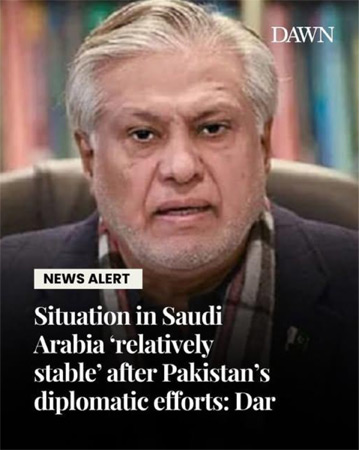
Foreign Minister Ishaq Dar’s revelation in Parliament that Pakistan has secured assurances from Riyadh that Saudi soil will not be used for attacks on Iran is a masterstroke of strategic balancing.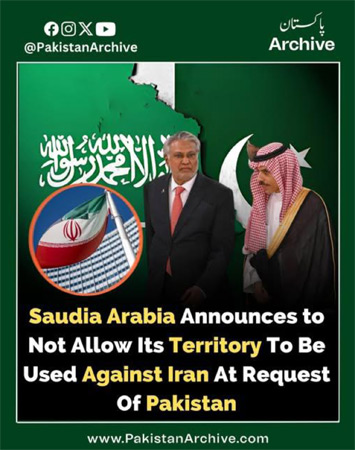
By acting as a guarantor of sorts, Islamabad has successfully limited the scale of retaliatory strikes in the Gulf, preventing the “fire of war” from consuming the entire Muslim Ummah.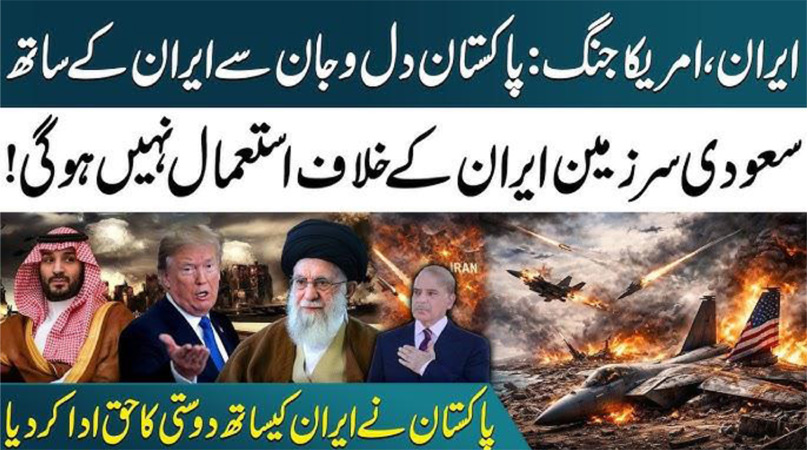
Pakistan’s stance is clear: it is a partner for peace, not a party to conflict. This principled neutrality is not born of indecision, but of a deep understanding that regional prosperity is impossible without a cessation of hostilities.
New Delhi’s Betrayal of Tehran
The current crisis has also served as a litmus test for global friendships, one which Narendra Modi’s India has failed spectacularly. For years, New Delhi courted Tehran, touting the Chabahar Port as a cornerstone of its Connect Central Asia policy. However, as soon as the drums of war began to beat, India’s facade of strategic autonomy crumbled.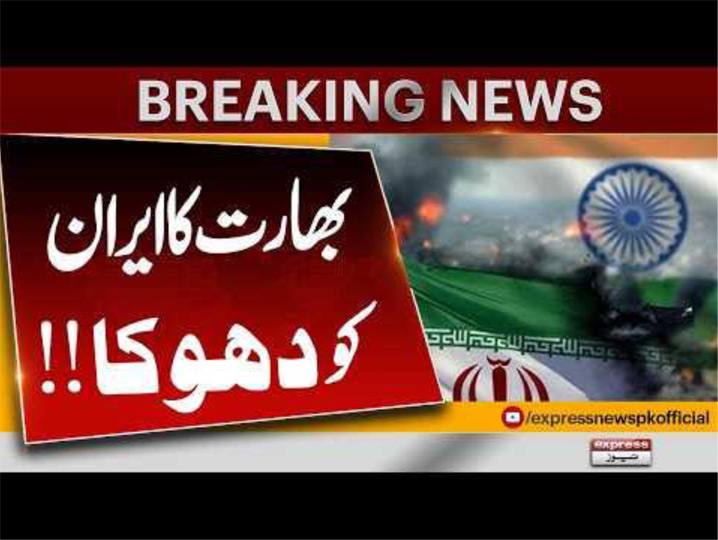
Modi’s recent state visit to Israel (Occupied Palestine) concluding just before the massive strikes on Iran- provided a stamp of legitimacy to Benjamin Netanyahu at a time when he faced international warrants for war crimes. While the world watched the assassination of Iranian leaders and the bombing of schools, Modi was busy elevating Indo-Israel (Occupied Palestine) ties to a Special Strategic Partnership.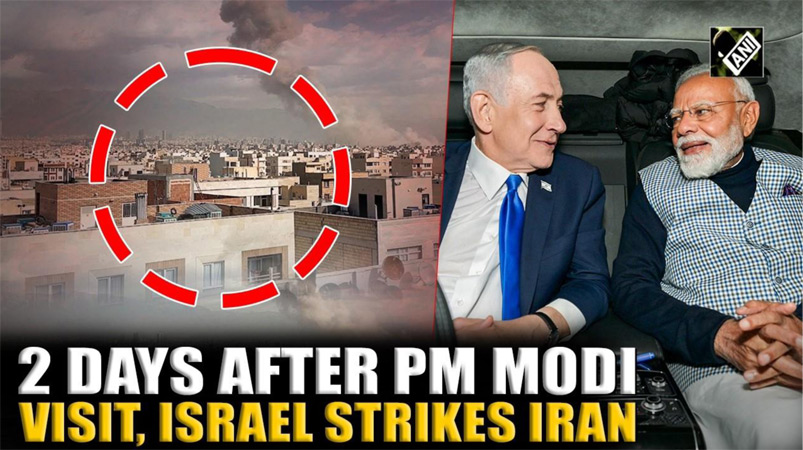
This pivot is a calculated betrayal of an old partner. By sidestepping Iran and firmly positioning India within the US-Israeli orbit, Modi has chosen short term military and tech gains over long-standing regional ties.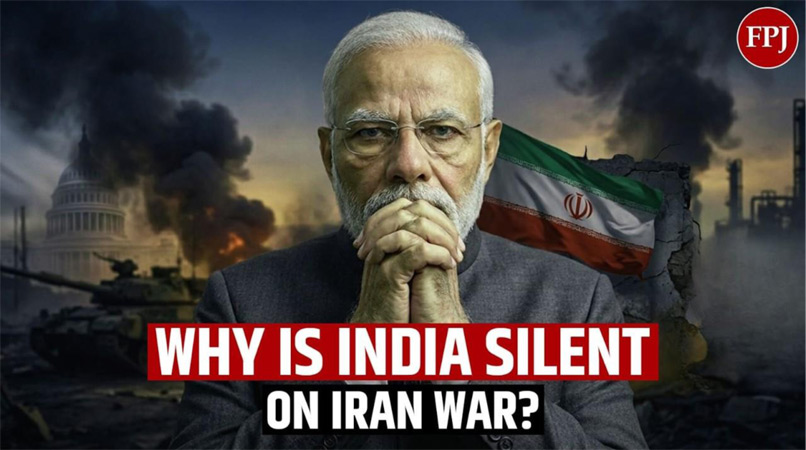
India’s subsequent condemnation of Iranian retaliatory strikes, while remaining silent on the slaughter in Gaza and Lebanon, exposes a deep seated hypocrisy.
Final Words
The path forward is fraught with peril. As US and Israeli forces continue to target the infrastructure and leaders of Iran, the risk of a spiral beyond control grows daily. In this dark hour, the world must look toward the model of principled engagement demonstrated by Pakistan. While some nations trade their values for strategic convenience, Pakistan remains steadfast in its call for an immediate ceasefire and the protection of civilian life.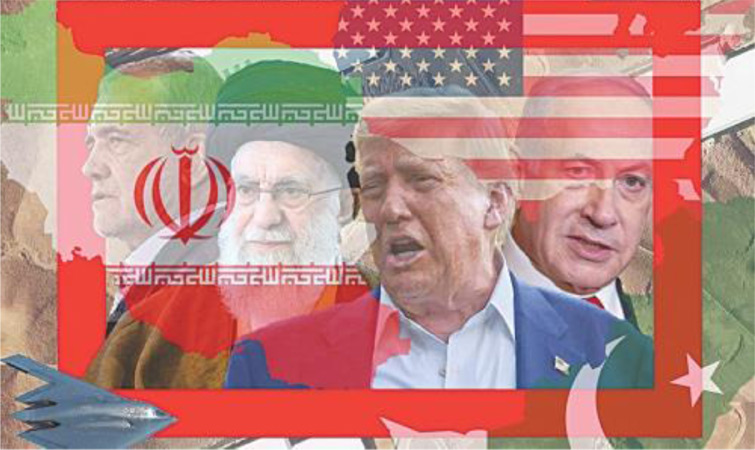
The message is simple yet profound: there is no military solution to this crisis-only through the restoration of dignity and the cessation of atrocities can a lasting peace be achieved.