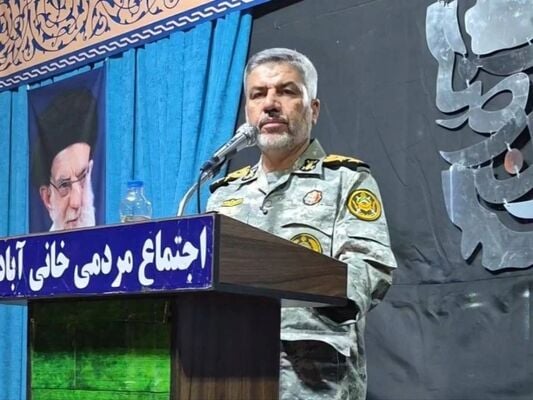
Iran declared the Strait of Hormuz will not reopen through American military pressure, escalating tensions across the Gulf. Fresh military exchanges between Iran and the United States increased fears over regional security and global energy supplies. The developments directly affect international shipping, oil markets, and countries dependent on Gulf trade.
Iranian Army spokesperson Brigadier General Mohammad Akraminia said only respect for Iran’s rights could restore access through the strategic waterway. He stressed the armed forces would continue defending Iran’s position, while Tehran insisted the United States had no authority over the future of the strait. Meanwhile, US forces carried out another round of strikes after President Donald Trump announced renewed restrictions on Iranian shipping and proposed a 20 percent cargo fee for vessels passing through Hormuz.
Read more: Trump declares Iran blockade back, says US will charge Hormuz fees
The conflict expanded across the region as Iran claimed missile and drone attacks targeted American military facilities in Jordan and Kuwait. Jordan said its air defenses intercepted several incoming missiles, while Bahrain also reported destroying aerial threats. At sea, the United Arab Emirates said Iranian missiles struck two Emirati oil tankers, killing one Indian crew member and injuring eight others. Iran’s Revolutionary Guard maintained the vessels ignored repeated warnings and entered a restricted route.
— U.S. Central Command (@CENTCOM) July 14, 2026
The worsening crisis also intensified concerns over international shipping and energy security. A leading global shipping company opposed any fees on international navigation, warning such measures would be inappropriate under maritime norms. International maritime authorities also rejected mandatory transit charges through the strait, while analysts warned prolonged disruption could trigger higher transport costs and further pressure global energy markets.
Read more: US to enforce maritime blockade on Iran
The Strait of Hormuz remains one of the world’s most important energy corridors, carrying nearly one-fifth of global oil and gas shipments before the conflict intensified. The United States said its renewed blockade would begin while allowing humanitarian cargo after inspections. Oil prices climbed to their highest level in four weeks as investors reacted to the latest military escalation and uncertainty surrounding one of the world’s busiest shipping routes.