WASHINGTON – The United States (US) has launched new investigations into what it describes as unfair trade probes by dozens of countries, potentially paving the way for fresh tariffs as President Donald Trump seeks to revive duties previously struck down by the Supreme Court.
Read More: US Supreme Court strikes down Trump’s global tariffs
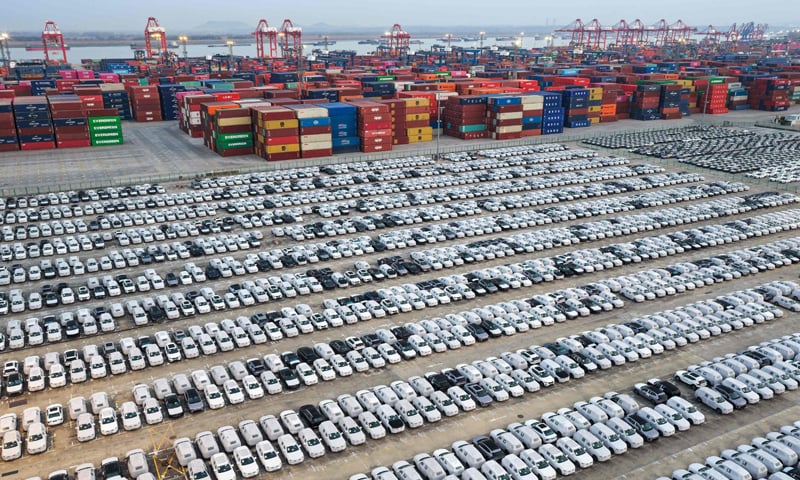
The Trump administration announced on Wednesday that it would initiate separate probes under Section 301 of the Trade Act of 1974. The investigations will focus on two key areas: global industrial overproduction and the import of goods allegedly made using forced labour.
The U.S. on Thursday stateside announced new trade investigations into 60 economies over what it termed as probes aimed at determining if these economies failed to curb imports of goods produced with forced labor.
Section 301 permits the U.S. to impose tariffs on countries found… pic.twitter.com/UqtEy55TQQ
— CNBC International (@CNBCi) March 13, 2026
US Trade Representative Jamieson Greer said the probes would examine trade practices among major US trading partners and would be completed as quickly as possible. The investigation into industrial overcapacity will target economies including the European Union, China, Japan, India, Mexico, South Korea, Singapore, Switzerland, Taiwan and Vietnam.
Read More: US senators ask SEC for Trump insider trading probe
The move risks intensifying existing trade tensions between the United States and its key economic partners. Section 301 investigations allow Washington to determine whether foreign trade policies are unfair or discriminatory and to impose retaliatory tariffs if violations are found.
The announcement prompted immediate reactions from both the European Union and China. The European Commission warned that it would respond firmly if the new probes lead to actions that violate existing tariff agreements between the EU and the United States. EU officials said they would seek clarification on how the investigations might affect last year’s trade deal between the two sides.
Meanwhile, China criticised the move as “political manipulation,” rejecting Washington’s claims regarding industrial overcapacity. Chinese Foreign Ministry spokesman Guo Jiakun said trade and tariff wars would not benefit any country.
Read More: US says trade with Pakistan could top $8 billion in 2025
The dispute comes ahead of a scheduled meeting between US Treasury Secretary Scott Bessent and Chinese Vice Premier He Lifeng in France from March 15 to 16, where trade tensions are expected to be a key topic of discussion.