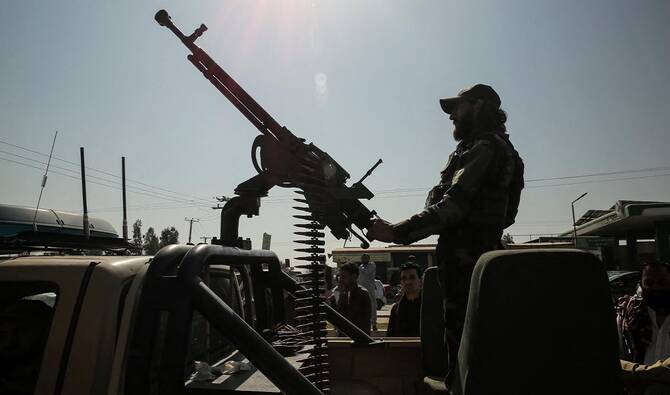
Chinese mediation efforts, including a message from President Xi Jinping, have helped reduce fighting between Pakistan and Afghanistan, officials said Thursday. The clashes, the worst since the Taliban returned to power in 2021, have recently slowed along the 2,600-kilometre border. Pakistani airstrikes have not been reported in recent days, and ground clashes are reported less frequently, though some skirmishes continue.
Sources said the Chinese ambassador to Pakistan, Jiang Zaidong, met Prime Minister Shehbaz Sharif last month, conveying Xi’s call to cease hostilities. China’s special envoy for Afghanistan is actively shuttling between Islamabad and Kabul to mediate, while Chinese embassies maintain constant communication with both governments. Beijing’s efforts aim to prevent escalation and return both sides to negotiations promptly.
Read more: Pakistan, India exchange sharp words at UNSC over Afghanistan
Pakistan launched airstrikes on February 26, accusing the Taliban of harboring terrorists targeting Pakistani territory. Afghanistan denies the accusations and insists terrorism in Pakistan is an internal issue. Pakistani security officials maintain the military campaign will continue until key objectives are achieved, focusing on stopping cross-border attacks.
Chinese Foreign Minister Wang Yi held phone talks with Pakistan’s Deputy Prime Minister and FM Ishaq Dar, while China’s ambassador to Kabul, Zhao Xing, and special envoy Yue Xiaoyong met Afghanistan’s acting FM Amir Khan Muttaqi. The mediation comes as Qatar, Saudi Arabia, and Turkiye, previously involved in talks, are preoccupied with the Middle East conflict following US-Israeli strikes on Iran.
Read more: Pakistan continues to inflict heavy losses on Afghan Taliban
Beijing, a longstanding ally of Pakistan, has major investments in mines and infrastructure projects in both countries, including over $65 billion under the Belt and Road Initiative. Analysts say China’s mediation reflects both humanitarian concerns and the protection of its economic and strategic interests in the region.