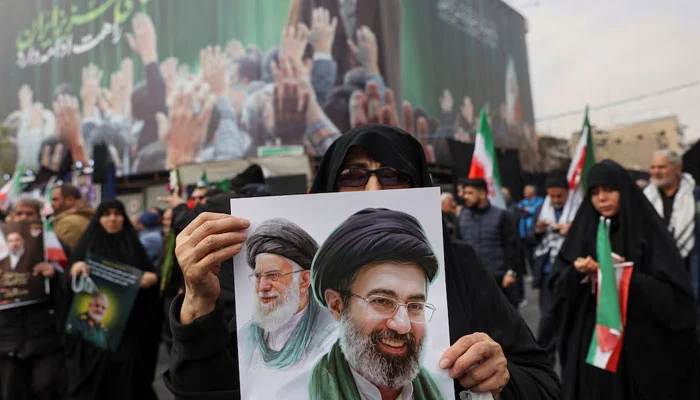
Recent United States intelligence assessments indicate that Iran’s government remains largely stable and is not at immediate risk of collapse despite nearly two weeks of intense military strikes by the United States and Israel. Multiple intelligence reports suggest the country’s leadership structure continues to function and maintains control over the population even amid ongoing conflict and political pressure.
Officials familiar with the intelligence findings said several recent analyses present consistent conclusions that Iran’s ruling establishment still holds authority across the country. The assessments were reportedly completed within the past few days and highlight the resilience of Iran’s political system despite significant military pressure and leadership losses.
Read more : China warns US AI military use can create ‘Terminator’ world
The situation remains particularly significant following the killing of Supreme Leader Ayatollah Ali Khamenei on February 28 during the first day of US and Israeli attacks. Despite the loss of the country’s top leader, intelligence reports indicate that Iran’s clerical leadership and key state institutions have remained cohesive and operational.
Meanwhile, the military campaign launched by the United States and Israel has targeted several strategic locations including air defense systems, nuclear facilities, and senior officials. The strikes also killed multiple high-ranking commanders of the Islamic Revolutionary Guard Corps, a powerful military and economic force within Iran.
Read more : CIA intelligence guided strikes that martyred Khamenei:
Following Khamenei’s death, the Assembly of Experts appointed his son Mojtaba Khamenei as the new supreme leader earlier this week. However, analysts believe that removing Iran’s leadership entirely would likely require a large-scale ground operation, which could allow internal protests to expand significantly.
In addition, intelligence assessments suggest that Iranian Kurdish militant groups lack the strength and resources necessary to challenge Iranian security forces effectively. Although some Kurdish leaders claim growing support inside Iran, reports indicate these groups currently lack sufficient manpower and weapons to sustain a prolonged confrontation.