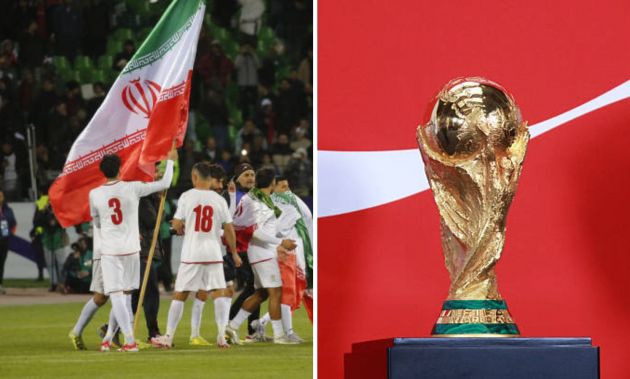
TEHRAN / LONDON: Iran participation in the 2026 FIFA World Cup is now in serious doubt after Iranian Minister of Sport Ahmad Donyamali stated that his country could not compete in a tournament co-hosted by the United States. The comments come after airstrikes launched by the US and Israel on February 28 killed Iran’s Supreme Leader Ali Khamenei, triggering a region-wide conflict.
Read More: Iran boycotts US-hosted 2026 FIFA World Cup
Donyamali said it would be “impossible” for Iran to take part while engaged in hostilities with one of the co-host nations. This represents the clearest indication yet that the team could be the first to withdraw from a modern World Cup. Iran was scheduled to face New Zealand in its opening group match on June 15 in Los Angeles.
Iran will not participate in the World Cup this summer amid the ongoing U.S. and Israeli-led strikes on the nation, the country’s sports minister said Wednesday. https://t.co/Cnv8ygejNF
— ABC News (@ABC) March 11, 2026
FIFA president Gianni Infantino had earlier cited assurances from US President Donald Trump that Iran was welcome to compete, though Infantino’s statement now appears at odds with the evolving political situation.
Under FIFA’s World Cup regulations, a team withdrawal would trigger financial penalties, but the governing body has wide discretion to call up a replacement nation. Former FIFA Director of Football Regulatory James Kitching noted that there is no modern precedent for such a withdrawal and that FIFA could choose any nation as a replacement, not necessarily from the same confederation. He added that sanctions might be waived if the withdrawal is related to the ongoing conflict.
Iran qualified for a fourth consecutive World Cup by topping Group A in the third round of Asian qualifiers last year. Should Iran pull out, selecting a replacement from the Asian Football Confederation would be the most logical solution, though logistical and political challenges could complicate the decision.
Read More: FIFA watching Iran developments as World Cup nears
The situation highlights the growing intersection of global politics and sport, raising unprecedented questions about tournament planning and the potential reshaping of the World Cup lineup due to international conflict.