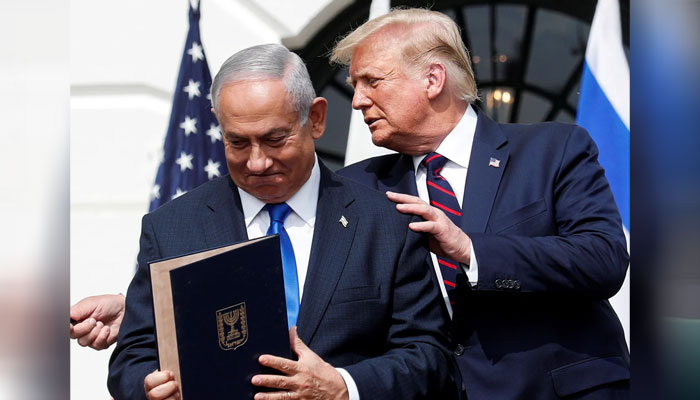
The US and Israel are presenting their strikes on Iran in religious terms, with both leaders invoking biblical references. President Donald Trump has sought prayers from evangelical Christians, while Israeli Prime Minister Benjamin Netanyahu has repeatedly framed the conflict in a biblical context referencing Amalekites. Experts warn this religious framing complicates political negotiations.
The military operations have ignited global debate, as media critics argue that highly religious rhetoric unnecessarily colors military decisions. Commentators say such language risks portraying the conflict as a holy war, complicating international diplomacy and public perception.
Read more: One week into Iran war, the dangers for the US and Trump multiply
Political leaders using religious language in war is not new. After 9/11, President George W. Bush called the ensuing fight a “crusade” but later distanced the administration from the term to avoid framing the conflict as Islam versus the West.
In the current situation, US forces claim that Trump is seen as spiritually chosen and is motivating soldiers through religious ceremonies and prayers. Netanyahu has invoked biblical enemies to strengthen a “us versus them” mindset among Israelis, reinforcing public support for military action.
Read more: US–Israel-Iran & Afghanistan-Pakistan
Analysts note that while religious narratives can boost domestic support, they often limit avenues for political compromise and reduce prospects for peace. Critics warn that the overt use of faith in strategic communication may deepen divisions and escalate the conflict further.