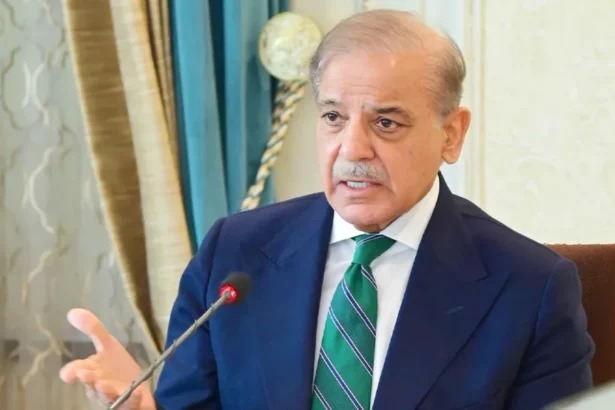
Prime Minister Shehbaz Sharif on Monday announced a series of austerity and cost-saving measures, warning that Pakistan is facing economic pressure due to the global fuel crisis triggered by the ongoing conflict in the Middle East.
In a televised address from Islamabad, the premier said the escalation of hostilities involving the United States, Israel and Iran has pushed global oil prices sharply higher, creating challenges for countries heavily dependent on energy imports.
Read More: Govt scrambles to secure fuel as global oil prices surge
“The entire region is currently in a state of war,” Sharif said, noting that Pakistan is actively engaging diplomatic channels and working with international partners to support efforts aimed at reducing tensions and restoring stability.
براہِ راست:وزیر اعظم پاکستان محمد شہباز شریف کا موجودہ صورتحال کے حوالے سے قوم سے خطاب۔ https://t.co/eL26vtue8z
— Government of Pakistan (@GovtofPakistan) March 9, 2026
He added that Pakistan also continues to confront security challenges along its western border, where militant activity remains a concern. The prime minister praised the country’s armed forces for responding effectively under the leadership of Chief of Defence Staff Asim Munir.
Sharif also condemned attacks on Iran, including the killing of Iranian Supreme Leader Ali Khamenei, while criticising retaliatory strikes targeting friendly Gulf countries. He said Pakistan has remained in close contact with regional allies to express solidarity during the ongoing crisis.
Highlighting the economic impact of the conflict, the prime minister said global crude oil prices have surged from around $60 to more than $100 per barrel in recent weeks. As Pakistan relies heavily on oil and gas imports from Gulf states, the rising prices are expected to place additional pressure on the national economy.
Read More: Pakistan raises fuel prices sharply as Middle East war shakes oil
To manage the situation, the government has introduced several administrative measures. These include a four-day workweek for government employees and a 50 percent work-from-home arrangement aimed at reducing fuel consumption and commuting costs.
Additionally, members of parliament will face a 25 percent salary cut, while government departments have been directed to reduce expenditures by 50 percent as part of broader fiscal discipline measures.